
A sore throat that flares when you swallow is usually inflammation of the pharynx or tonsils. The muscles of swallowing squeeze against tissue that is swollen and irritated, and that contact registers as pain. Most cases are caused by viral infections and get better on their own within about a week. The pattern of the pain, though, can tell you a lot about what is going on.
Why Your Throat Hurts When I Swallow?
Swallowing is a mechanical act. Your tongue pushes food or liquid to the back of your mouth, and a wave of muscle contraction moves it down the throat. When the lining of the throat is inflamed, every one of those contractions pulls on tender tissue.
The throat lining is packed with nerve endings. Inflammation releases chemicals like prostaglandins and bradykinin that make those nerves fire more easily. A swallow that would normally go unnoticed now triggers a pain signal. This is why the pain is often worse with swallowing than at rest.
The location of the pain is a clue. Pain high in the throat, around the tonsils, points toward pharyngitis or tonsillitis. Pain lower down, behind the breastbone, points toward the esophagus. That distinction matters because the causes and the urgency are different.
What Are the Most Common Causes?
Viruses cause the large majority of sore throats. Rhinovirus, adenovirus, influenza, and coronaviruses all inflame the throat lining. The pain typically builds over a day or two and fades within a week.
Bacterial infection is less common. Group A streptococcus, the cause of strep throat, produces sudden severe pain, fever, and swollen tonsils, sometimes with white patches. Strep is more common in children and teens than in adults. A rapid test or throat culture is the only way to confirm it.
Other causes worth knowing:
- Acid reflux. Stomach acid washing up into the throat overnight irritates the lining. The pain is often worse in the morning and may come with a hoarse voice or a bitter taste.
- Dry air and mouth breathing. Low humidity dries the throat lining, which makes it more easily irritated. Winter heating and sleeping with an open mouth both contribute.
- Postnasal drip. Mucus running down the back of the throat from a cold or allergy keeps the tissue irritated.
- Irritants. Smoke, alcohol, and chemical fumes all inflame the throat directly.
- Voice strain. Yelling or singing for long periods strains the muscles and lining of the throat.
Less common but more serious causes include tonsil abscess, epiglottitis, and throat cancer. These are rare. The signs that point toward them are covered below.
How Do I Know If It Is Strep or a Virus?
You usually cannot tell for certain without a test. The overlap in symptoms is large, and clinical guidelines exist precisely because eyeballing a throat is unreliable.
Some patterns lean one way. A cough, runny nose, and hoarse voice point toward a virus. Sudden severe pain, fever, and swollen tonsils with white patches and no cough lean toward strep. But these are tendencies, not rules. Only a rapid antigen test or culture confirms strep.
This matters because antibiotics do nothing for viral infections and carry real costs, including side effects and antibiotic resistance. Some clinicians treat based on symptoms alone. That practice is common but not well supported by evidence.
When Should I See a Doctor?
Most sore throats do not need medical care. Some do, and the warning signs are specific.
Seek care promptly if you have:
- Difficulty breathing or a feeling that the airway is closing
- Difficulty swallowing saliva, or drooling
- A muffled or “hot potato” voice
- Inability to open your mouth fully
- Severe one-sided throat pain with swelling
- A high fever that does not respond to fever reducers
- A stiff neck or severe headache
- Blood in your saliva
These can signal a deep infection or an abscess that needs urgent treatment. They are uncommon, but they escalate quickly.
See a doctor within a day or two for a sore throat that lasts longer than a week, keeps coming back, or comes with a new lump in the neck. Persistent one-sided pain, hoarseness lasting more than a few weeks, or unexplained weight loss also warrant a medical visit.
What Actually Helps a Sore Throat Feel Better?
Most sore throat relief is about reducing irritation, not fighting the infection. The evidence for individual home remedies is modest, and no remedy shortens a viral sore throat.
What tends to help:
- Warm salt water gargle. This is a traditional remedy with limited formal study. It may reduce swelling and loosen mucus. It is not harmful when used sensibly.
- Fluids. Staying hydrated keeps the throat lining moist, which reduces the friction of swallowing.
- Humidified air. A cool-mist humidifier or a steamy bathroom eases dryness.
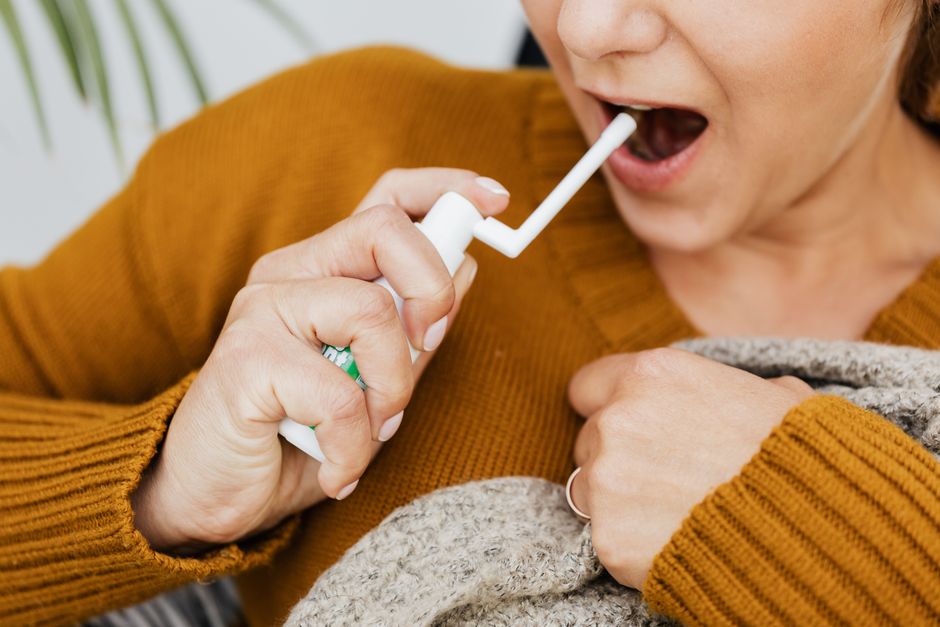
- Lozenges and sprays. Many contain menthol or benzocaine, which numb the throat briefly. Some clinicians recommend them for short-term comfort. Evidence for their effect on healing is limited.
- Over-the-counter pain relievers. Ibuprofen or acetaminophen can reduce pain and fever. Follow package directions and check with a pharmacist if you take other medications.
- Rest and voice rest. Avoiding shouting and prolonged talking reduces strain on inflamed tissue.
Antibiotics only help bacterial infections confirmed by testing. They do nothing for viruses. Using them “just in case” is a common habit that does not improve outcomes and contributes to resistance.
Does the Type of Pain Tell You Anything?
Sometimes. The pattern of pain can narrow down the cause, though it never confirms one on its own.
| Pain pattern | Common associations |
|---|---|
| Worse in the morning, improves during the day | Acid reflux, dry air, mouth breathing |
| Sudden severe pain with fever | Strep or another bacterial infection |
| Pain on one side only | Tonsil abscess or localized infection; needs medical review |
| Pain that feels like a lump or sticking sensation | Postnasal drip, muscle tension, or reflux |
| Pain with a burning quality | Reflux or irritation from stomach acid |
| Pain that comes and goes over weeks | Recurrent tonsillitis, allergies, or irritants |
These patterns are clues, not diagnoses. A pattern that fits one cause can still come from another. This is why persistent or unusual pain deserves a professional look rather than self-diagnosis.
Can a Sore Throat Be Serious?
Rarely, yes. Most sore throats are self-limiting. A small number point to conditions that need prompt care.
A peritonsillar abscess is a collection of pus next to a tonsil. It causes severe one-sided pain, swelling, a muffled voice, and trouble opening the mouth. It needs drainage and antibiotics. Epiglottitis is swelling of the flap that covers the airway. It causes rapid onset of severe sore throat, drooling, and difficulty breathing, and it is a medical emergency.
Throat cancer is uncommon but rising in some groups, particularly related to HPV infection and tobacco or alcohol use. Persistent hoarseness, a lump in the neck, pain that does not resolve, or trouble swallowing that worsens over weeks should be checked. Early evaluation matters for outcomes.
The key point is proportion. The vast majority of sore throats are minor and resolve. A small set of warning signs tells you when to stop waiting.
Frequently Asked Questions
How long does a sore throat usually last?
Most viral sore throats improve within about a week, often sooner. A sore throat lasting longer than a week or recurring repeatedly should be checked by a doctor.
Does gargling salt water really help?
It may ease swelling and loosen mucus, though formal evidence is limited. It is a low-risk comfort measure, not a treatment for the underlying infection.
When is a sore throat an emergency?
Trouble breathing, drooling, inability to swallow saliva, or a muffled voice are emergency signs. These can indicate a deep infection or airway swelling and need immediate care.
Can allergies cause a sore throat when swallowing?
Yes. Postnasal drip from allergies irritates the throat and can make swallowing uncomfortable. The pain is usually milder than with an infection and tends to follow allergen exposure.
