
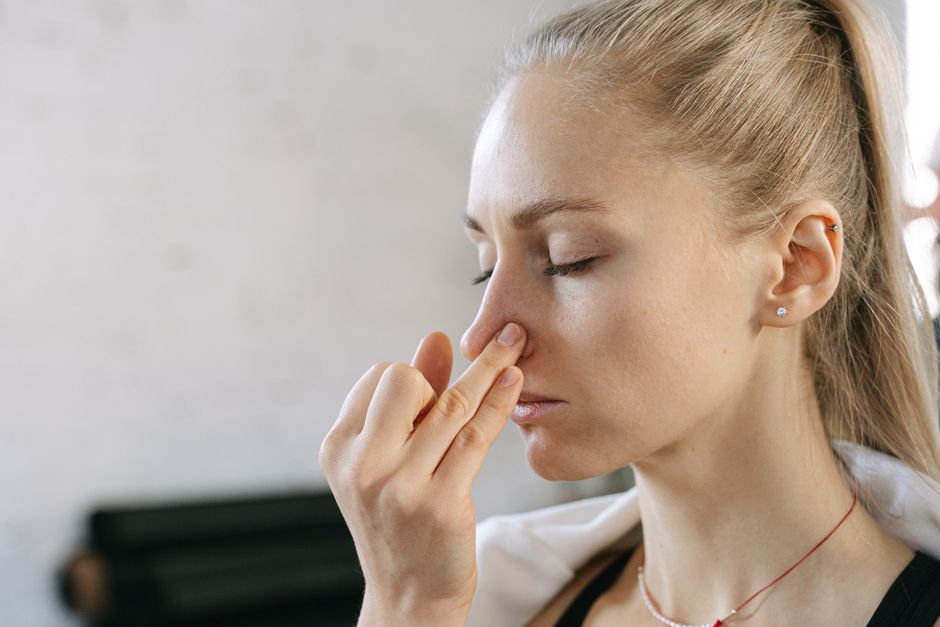
An itchy nose is one of the most distracting sensations you can experience. It often strikes at the worst possible moment, and the urge to scratch can be almost impossible to ignore. The feeling is triggered by the same nerve pathways that cause sneezing, and it is your body’s way of signaling that something is irritating the delicate lining of your nasal passages.
The root causes usually fall into a few clear categories: allergies, irritants in the air, dry air, or an infection. Understanding which one is driving your symptoms matters because the right fix for a pollen allergy is not the same as the right fix for dry winter air. In most cases, an itchy nose is harmless and temporary, but persistent itching can point to an underlying condition worth addressing.
What Causes the Itch Inside Your Nose?
The inside of your nose is lined with mucous membranes that contain immune cells called mast cells. When these cells encounter something they consider a threat, they release histamine. Histamine is a chemical that causes blood vessels to dilate and fluid to leak into the tissue. That process creates swelling, mucus production, and the classic itchy sensation.
This is the same mechanism behind hay fever and pet allergies. Pollen, dust mites, mold spores, and animal dander can all trigger this response. The itch is not random. It is a direct result of your immune system reacting to a particle it has decided does not belong.
Non-allergic triggers can cause the same sensation through different pathways. Cigarette smoke, strong perfumes, cleaning products, and vehicle exhaust can irritate the nasal lining directly. These irritants do not involve the immune system in the same way, but they still activate the nerve endings that transmit the itch signal to your brain.
Is It Allergies or Something Else?
Allergic rhinitis, commonly called hay fever, is the most frequent cause of a persistently itchy nose. It affects a significant portion of the population and can be seasonal or year-round. Seasonal allergies spike when plants release pollen. Year-round allergies are often tied to indoor triggers like dust mites, pet dander, or mold.
Non-allergic rhinitis is the other major category. It produces similar symptoms but is not driven by an allergic immune response. Common triggers include changes in weather, hormonal shifts, certain medications, and strong odors. Some research suggests that non-allergic rhinitis may be more common than previously thought, particularly in adults over 40.
The distinction matters for treatment. Antihistamines work well for allergic rhinitis because they block the histamine response. They often do little for non-allergic rhinitis because the mechanism is different. If antihistamines are not helping your itchy nose, that is a clue that allergies may not be the cause.
Why Does Dry Air Make Your Nose Itch?
Low humidity dries out the nasal lining. When the mucous membranes lose moisture, they become cracked and irritated. This creates an itch that feels different from allergy-related itching. It is often accompanied by a feeling of tightness or rawness inside the nostrils.
Dry air is common in winter when heating systems run constantly. It is also a problem in arid climates and in airplanes or air-conditioned offices. The fix is straightforward: increase the moisture in the air you breathe. A humidifier in your bedroom can make a noticeable difference. Saline nasal sprays are another option because they add moisture directly to the nasal passages without medication.
One non-obvious detail: many people overuse decongestant nasal sprays when their nose feels blocked. These sprays can dry out the nasal lining further and cause rebound congestion when used for more than a few days. If you have been using a decongestant spray regularly, it may be contributing to the problem.
When an Itchy Nose Is a Sign of Infection
The common cold and other viral infections can cause nasal itching, though it is rarely the main symptom. More often, an infection brings congestion, a runny nose, and sneezing. The itch typically fades as the infection runs its course.
One condition deserves special attention: nasal vestibulitis. This is an infection of the nasal vestibule, the area just inside the nostril where small hairs grow. It is often caused by the bacteria Staphylococcus aureus. Symptoms include redness, swelling, tenderness, and sometimes a small pimple-like bump. Itching is common.
Nasal vestibulitis can develop after aggressive nose picking, blowing the nose too hard, or removing nasal hairs with tweezers. It usually clears on its own, but persistent cases may require antibiotic ointment. If the area becomes painful, swollen, or develops crusting that does not heal, see a healthcare provider.
Can Food or Medications Cause Nasal Itching?
Some foods can trigger an itchy nose, particularly in people with oral allergy syndrome. This condition causes cross-reactions between certain pollens and raw fruits or vegetables. For example, someone allergic to birch pollen may experience itching in the mouth, throat, or nose after eating raw apples, celery, or almonds.
Medications can also be responsible. ACE inhibitors, commonly prescribed for high blood pressure, can cause nasal congestion and itching in some people. Aspirin and other nonsteroidal anti-inflammatory drugs can trigger nasal symptoms in people with sensitivity. If your itchy nose started around the same time you began a new medication, that timing is worth discussing with your doctor.
How to Stop the Itch Safely
For allergy-related itching, oral antihistamines are the most common first-line option. Second-generation antihistamines like cetirizine, loratadine, and fexofenadine are less likely to cause drowsiness than older first-generation versions. Some research indicates that intranasal corticosteroid sprays are more effective for nasal symptoms overall, but they take several days to reach full effect.
Saline nasal rinses can help regardless of the cause. They flush out allergens, irritants, and excess mucus. Use a squeeze bottle or neti pot with distilled, sterile, or previously boiled water. Tap water should never be used unless it has been boiled and cooled, because it can carry organisms that cause serious infections.
Antihistamine nasal sprays are another option. Azelastine is available by prescription and works directly on the nasal tissues. It can be effective for both allergic and some non-allergic triggers. The most common side effect is a bitter taste in the mouth.
For dry-air itching, moisturizing is the priority. A humidifier, saline spray, or a thin layer of petroleum jelly applied just inside the nostrils can help. Do not insert cotton swabs deep into the nose. That pushes debris and bacteria further in and can damage the lining.
When Should You See a Doctor?
An itchy nose alone rarely requires medical attention. But certain warning signs should prompt a visit. If the itch is accompanied by significant facial pain, persistent nosebleeds, or a foul odor from one nostril, those symptoms need evaluation. A one-sided nasal obstruction with discharge can indicate a foreign body or, rarely, a growth that requires investigation.
If your symptoms interfere with sleep, work, or daily activities despite trying over-the-counter options, a doctor can help identify the specific trigger. Allergy testing may be useful if the cause is not obvious. Skin prick tests and blood tests can identify specific allergens and guide treatment.
In rare cases, an itchy nose can be a symptom of a more serious condition. Wegener’s granulomatosis, now called granulomatosis with polyangiitis, is an autoimmune disease that can affect the nose and sinuses. It is uncommon, but it often presents with crusting, bleeding, and persistent nasal symptoms that do not respond to standard treatments.
Frequently Asked Questions
Why does my nose itch at night?
Dust mites in bedding are a common nighttime trigger, and the body’s natural cortisol levels drop in the evening, which can make allergy symptoms feel worse. Dry indoor air overnight can also contribute.
Can stress cause an itchy nose?
Stress does not directly cause nasal itching, but it can worsen existing allergy symptoms and increase sensitivity to irritation. The evidence linking stress to worsened allergic responses is well established.
Why does my nose itch when I exercise?
Exercise increases blood flow to the nasal passages and can trigger a condition called exercise-induced rhinitis. Increased airflow also brings more airborne allergens and irritants into contact with the nasal lining.
Is it safe to put anything inside my nose to stop the itch?
Saline sprays and a thin layer of petroleum jelly just inside the nostrils are generally safe for adults. Avoid cotton swabs, tissues rolled into points, or any sharp object, as these can damage the nasal lining and increase infection risk.
An itchy nose is rarely an emergency, but it is a signal worth listening to. Whether the cause is pollen, dry air, or a medication side effect, identifying the trigger is the first step toward relief. If simple measures do not help within a few weeks, or if the itching comes with other concerning symptoms, a healthcare provider can help you sort out what is going on.
