
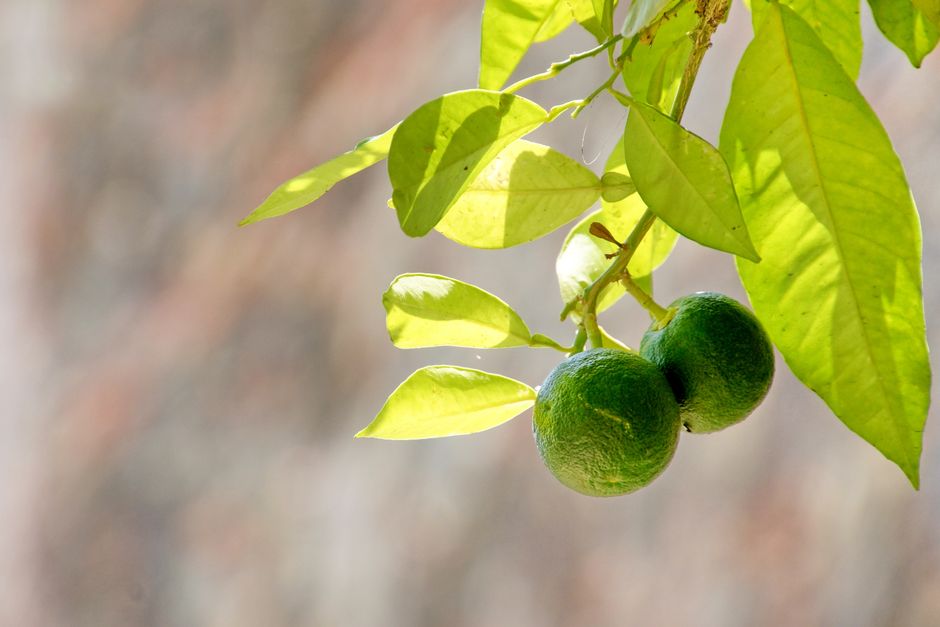
Curling lime leaves are a sign of plant stress, not a disease in themselves. The most common causes are sap-sucking pests like aphids and mites, water stress (too much or too little), and sudden changes in temperature or light. Fixing it starts with identifying which of these is happening, because the treatments are different.
Lime trees are fussy about consistency. They like steady moisture, warm air, and bright light. When one of those shifts, the leaves often show it before anything else does. The curl itself is the plant’s response — the leaf margins roll or pucker as cells on one side grow or lose water differently from the other.
Why Your Lime Leaves Are Curling And How To Fix Them?
Leaf curl in lime trees almost always traces back to one of four things: pests feeding on new growth, water stress, cold damage, or a nutrient problem. Each leaves a different pattern, and the pattern is your best clue.
Here is how to tell them apart.
Pest damage
Aphids, citrus leafminer, and spider mites are the usual suspects. Aphids cluster on the undersides of new leaves and suck sap, causing leaves to pucker and curl downward. Leafminer larvae tunnel inside the leaf, leaving visible silvery trails and distorting new growth. Spider mites are tiny and often invisible until you see fine webbing and a speckled, bronzed look.
Check the undersides of curled leaves closely, ideally with a magnifying glass. Look for insects, sticky honeydew, sooty mold, or webbing.
Water stress
Lime trees need consistent moisture but hate soggy roots. Drought makes leaves curl inward and feel dry and brittle. Overwatering or poor drainage causes leaves to curl, yellow, and drop — often with wilting despite wet soil.
Stick a finger into the soil a couple of inches down. Dry means underwatered. Soggy means the opposite problem.
Cold and temperature swings
Limes are tropical and sensitive to cold. Chilly nights or drafty spots can cause leaves to curl and cup. Sudden temperature changes do the same.
Nutrient problems
Nutrient deficiencies can distort new growth, though they more often cause yellowing than curling. If pests, water, and temperature all check out, a soil test is worth considering.
How Do I Tell Pests From Water Problems?
Pests leave physical evidence. Water problems do not.
Turn a curled leaf over. If you see clusters of small insects, sticky residue, or fine webbing, pests are involved. If the leaf is clean underneath but feels dry and brittle, suspect underwatering. If it feels limp and the soil is wet, suspect overwatering or root problems.
One useful detail: pest damage usually hits new growth first, because that is where sap is easiest to reach. Water stress tends to affect the whole canopy more evenly.
What Does Overwatering Do to Lime Leaves?
Overwatering damages roots by cutting off the oxygen they need. Roots that cannot breathe begin to rot, and a plant with damaged roots cannot take up water — so the leaves curl and wilt even though the soil is wet.
This is the confusing part for many growers. A wilting, curling plant looks thirsty, so people water it more. That makes things worse.
Signs of overwatering include:
- Yellowing leaves, often starting lower on the plant
- Curling combined with wilting despite damp soil
- Leaf drop
- A sour or musty smell from the soil
- Soil that stays wet for days
The fix is to let the top layer of soil dry out between waterings and make sure the pot or ground drains freely. If the plant is in a pot without drainage holes, repot it. If root rot has set in, you may need to trim damaged roots and repot in fresh, well-draining soil.
Can Cold Weather Cause Curling Leaves?
Yes. Limes are among the least cold-tolerant citrus. Chilly air, cold drafts, or a sudden drop in temperature can cause leaves to curl, cup, and sometimes drop.
Indoor lime trees near a window are vulnerable to drafts and cold glass. Moving the plant away from the window at night, or protecting outdoor trees during cold snaps, can help. Frost damage is more severe than simple curl — leaves turn brown and die back.
How Should I Water a Lime Tree?
Water deeply, then let the soil partly dry before watering again. Shallow, frequent watering encourages weak roots and leaves the lower soil dry.
For potted trees, water until it runs out the drainage holes, then wait. For trees in the ground, water slowly and deeply around the drip line — the circle beneath the outer edge of the canopy where most feeder roots sit.
How often depends on your climate, soil, and season. There is no single schedule that fits every tree. Check the soil instead of following a fixed calendar.
When Should I Worry About Leaf Curl?
Occasional curl on a few leaves is usually not serious. Worry when curl comes with other signs: heavy leaf drop, yellowing across the plant, sticky residue, visible pests, or new growth that is severely distorted.
Healthy lime trees do shed older leaves from time to time. A few curled leaves on an otherwise vigorous plant is not a crisis.
Persistent curl on new growth, though, is worth investigating. New growth reflects the plant’s current condition most directly.
What About Leafminer and Aphids Specifically?
Citrus leafminer is a common pest of lime. The adult is a tiny moth that lays eggs on new leaves. The larvae hatch and tunnel inside the leaf, leaving winding silvery trails. Affected leaves curl and distort.
Aphids are small, soft-bodied insects that cluster on new shoots and the undersides of leaves. They excrete a sticky substance called honeydew, which can attract ants and encourage sooty mold — a black coating on leaves.
For both, the practical approach is to inspect new growth regularly and act early. Removing badly infested leaves and encouraging natural predators like ladybugs can help. Some gardeners use insecticidal soap or horticultural oil, though these work best on soft-bodied pests and must be applied correctly to be effective.
Should I Remove Curled Leaves?
Remove leaves that are badly damaged, heavily infested, or dead. They will not recover their shape, and removing infested leaves can reduce pest numbers.
Leave mildly curled leaves in place if the plant is otherwise healthy. They are still making food for the tree.
What Else Can Cause Curl?
Herbicide drift is a real but often overlooked cause. If a neighbor sprays weed killer nearby, fine droplets can drift onto your lime tree and cause distorted, curled growth. The pattern usually shows up on the side facing the source.
Root damage from digging or repotting can also cause temporary curl as the plant adjusts. So can a sudden move to a very different light level.
When several possible causes exist, work through them in order: check for pests first, then soil moisture, then temperature, then recent changes to the plant’s environment. That sequence catches most cases.
Frequently Asked Questions
Will curled lime leaves recover?
Leaves that have already curled usually stay curled, because the distortion is physical. New growth that appears after you fix the underlying problem should come in normal.
Is leaf curl on lime trees contagious to other plants?
Curling itself is a symptom, not a disease, so it does not spread. Pests that cause it, however, can move to nearby plants, so check neighboring plants too.
Can too much sun cause lime leaves to curl?
Sudden exposure to intense sun can cause leaves to curl and cup as the plant protects itself. Limes like bright light, but a sudden move from shade to full sun can stress them.
How long does it take for a lime tree to recover from leaf curl?
Recovery time depends on the cause and how quickly it is corrected. New growth typically reflects improvement within a few weeks once conditions are right, though badly damaged leaves will not return to normal.
