
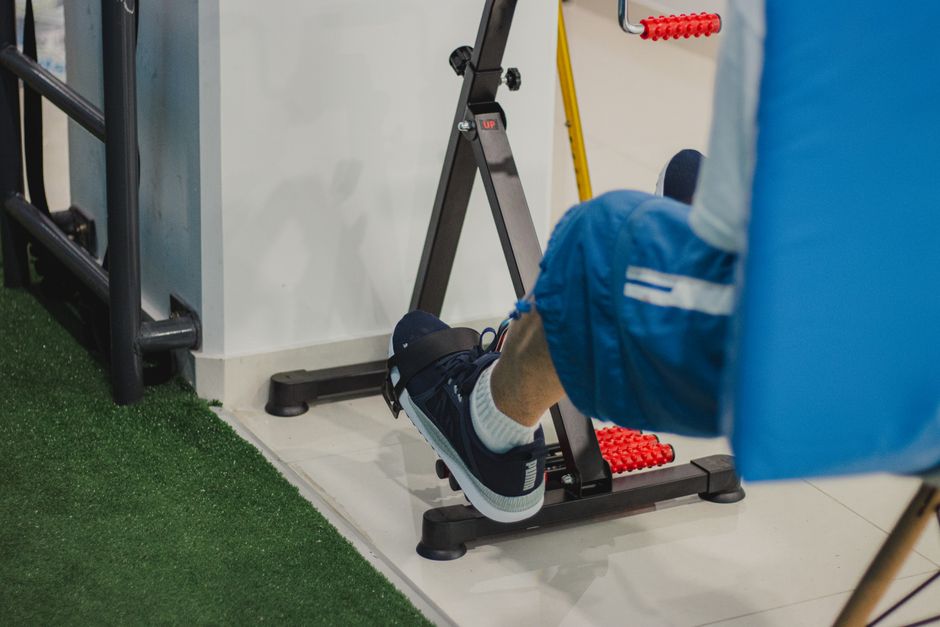
Your legs shake during a workout because your muscles are fatigued and their ability to produce smooth, steady contractions has dropped. Muscle fibers work in teams, and when some of those fibers tire out, the nervous system recruits others in a less coordinated way. The result is a visible tremor. It is usually harmless, it is not a sign of weakness, and it often improves as your conditioning improves.
Most shaking comes from one of a few causes: plain muscle fatigue, holding a position longer than your muscles can sustain it, low blood sugar, dehydration, or a new movement your body has not practiced. Fixing it starts with identifying which one applies to you.
Why Your Legs Shake During A Workout And How To Stop It
The mechanism behind the shake is well understood. Muscles are controlled by electrical signals from the nervous system. Those signals tell groups of muscle fibers to contract in a coordinated pattern. When you push hard, fatigue builds inside the muscle fibers. Fatigued fibers fire less reliably, so the nervous system has to work harder to keep the movement steady. That uneven firing shows up as a tremor you can see and feel.
Holding a wall sit or a deep lunge makes this obvious. You are asking the same fibers to keep contracting without rest. As they tire, control gets choppy. The shake is the visible sign of that choppiness.
This is different from the muscle twitches people notice at rest, which have their own set of causes. Shaking during effort is tied to the demand you are placing on the muscle at that moment.
Is It Normal For Legs To Shake During Exercise?
Yes, shaking during hard exercise is common and generally not a cause for concern. It shows up most in people who are new to a movement, returning after a break, or pushing close to their limit.
Trained athletes shake too. Gymnasts, dancers, and weightlifters all show tremors when they hold positions near their maximum effort. The difference is that trained muscles tolerate more work before control breaks down.
Two things are worth separating here. Normal exercise tremor is temporary and goes away with rest. Shaking that comes with dizziness, chest pain, confusion, or fainting is a different situation and needs medical attention. So is shaking that continues long after you stop or happens at rest.
One clarification that surprises people: shaking is not proof you are “working harder” than someone who is not shaking. It reflects how close that muscle group is to its current limit, which varies from person to person and day to day.
What Causes Leg Shaking During Exercise?
Fatigue is the most common cause, but it is not the only one. Several factors can make the tremor worse or bring it on sooner.
- Muscle fatigue. The primary driver. Fatigued fibers lose precise control.
- Low blood sugar. Exercising without enough fuel can make muscles shaky and weak. This is more likely if you train fasted or have not eaten in many hours.
- Dehydration and electrolyte loss. Fluids and minerals like sodium and potassium support normal muscle function. Heavy sweating without replacement can contribute to cramping and shakiness.
- Unfamiliar movements. A new exercise recruits muscle patterns your body has not practiced. Control is less smooth at first.
- Holding a position too long. Isometric holds like planks and wall sits are a classic trigger.
- Cold muscles. Starting intense work without a warm-up can make early sets shakier.
- Caffeine or stimulants. Some people notice more tremor after a lot of caffeine, especially before training.
In rarer cases, persistent or severe shaking can relate to a medical condition, a medication side effect, or a neurological issue. If shaking is new, severe, or not tied to effort, that is worth discussing with a doctor.



How Do You Stop Your Legs From Shaking During A Workout?
You stop the shake by managing the demand on your muscles and giving your body what it needs to control them. Most fixes are simple and take effect within a session or a few weeks.
Warm up properly. A few minutes of light movement and dynamic stretches raises muscle temperature and primes the nervous system. Cold, stiff muscles control less smoothly.
Eat and hydrate before training. A small meal or snack with carbohydrates an hour or two before exercise helps keep blood sugar steady. Drink water and replace electrolytes if you sweat heavily. No single fluid or electrolyte dose fits everyone; general sports nutrition guidance covers this, and a doctor or dietitian can advise on your specific needs.
Build strength gradually. Shaking decreases as your muscles adapt. Progressing load and volume slowly gives your body time to catch up.
Shorten holds and add rest. If a wall sit makes your legs shake at 45 seconds, hold for 30 and rest. Break long sets into shorter ones. Control improves when you work just below the point where the tremor starts.
Practice the movement. The more often you do a lift or hold, the more efficient the nervous system becomes at controlling it.
Cut back on stimulants before training. If you notice more tremor after caffeine, time your intake differently.
Breathe. Holding your breath during hard effort can raise blood pressure and make everything feel worse. Steady breathing supports steady control.
When Should Shaking Be A Concern?
Shaking that is tied to effort and stops with rest is expected. Shaking that shows up at rest, gets worse over time, or comes with other symptoms is not something to ignore.
Seek medical advice if you notice any of the following:
- Shaking that continues well after you stop exercising
- Tremor that happens when you are not exerting yourself
- Shaking along with dizziness, fainting, chest pain, or shortness of breath
- Tremor that is getting worse over weeks or months
- Shaking that affects your daily activities, like writing or holding a cup
- New tremor after starting a medication
A doctor can help sort out whether the cause is exercise-related, a medication side effect, a metabolic issue, or something that needs further evaluation. This is a normal reason to check in.
Does Shaking Mean You Are Weak Or Out Of Shape?
No. Shaking reflects how close a muscle group is to its current limit, not your overall fitness or character. A strong person can shake doing an unfamiliar movement just as a beginner can.
Fitness is specific. You can run a long distance and still shake holding a deep squat, because those muscles are being asked to do something different. Shaking is information about that moment, not a verdict on your body.
What matters is the trend. If the same exercise makes you shake less over weeks, that is your conditioning improving. If it makes you shake more, that is a signal to check your recovery, fuel, and hydration.
Can You Train Your Legs To Shake Less?
Yes. The nervous system adapts to training. With repeated practice, muscles fire more smoothly and tolerate more work before control breaks down. This is one of the main reasons experienced lifters can hold positions that make beginners tremble.
Progress comes from consistency, not from pushing through heavy shaking every session. Working just below your limit, resting enough, and increasing difficulty slowly builds both strength and control. Sleep and recovery matter too; tired muscles control less well.
If you want a practical rule: stop a set when the shake becomes hard to control, rest, and continue. That keeps quality high and reduces the chance of a sloppy rep that leads to injury.
Frequently Asked Questions
Why do my legs shake during a workout?
Fatigued muscle fibers lose smooth control, so the nervous system produces a less coordinated contraction that shows up as a tremor. Low blood sugar, dehydration, and unfamiliar movements can make it worse.
Is it bad if my legs shake during exercise?
No, shaking during hard effort is common and usually harmless. It is a concern only if it happens at rest, lasts long after you stop, or comes with dizziness, chest pain, or fainting.
How do I stop my legs from shaking during a workout?
Warm up, eat and hydrate before training, shorten long holds, add rest, and build strength gradually. Reducing caffeine before exercise helps some people.
Does shaking mean I am out of shape?
No, shaking shows how close a muscle group is to its current limit for that specific movement. It is not a measure of overall fitness.
