
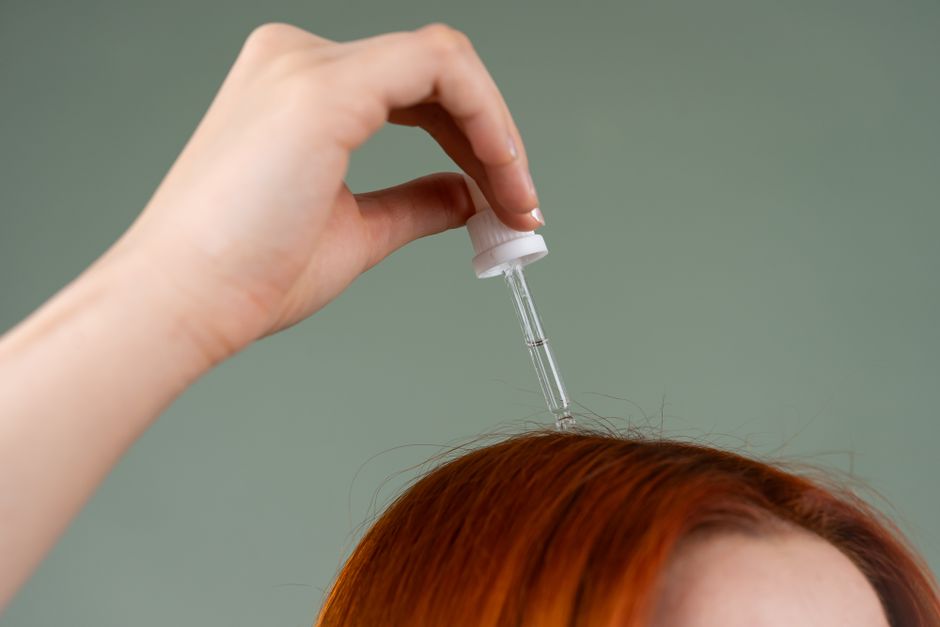
Red hair is one of the rarest natural hair colors in the world. It shows up in roughly 1 to 2 percent of the global population, and it comes down to a specific set of genetic instructions that change how your body makes pigment. If your hair has turned red or reddish over time, or if you were born with it, the reasons are rooted in biology, not luck or diet.
Hair turns red naturally because of how melanin is produced inside the hair follicle. Two pigments matter here: eumelanin, which is brown or black, and pheomelanin, which is red or yellow. When a person makes mostly pheomelanin and very little eumelanin, the hair that grows out is red. This is controlled mainly by the MC1R gene. There is no proven way to permanently change natural hair color, but there are real reasons red or reddish hair can appear later in life, and some of them are worth paying attention to.
What Actually Makes Hair Red?
Hair color is determined before the hair ever leaves your scalp. Inside each hair follicle, specialized cells called melanocytes pump pigment into the growing hair shaft. The type and amount of that pigment decide whether the strand comes out black, brown, blonde, or red.
The switch between eumelanin and pheomelanin is largely controlled by a gene called MC1R. When MC1R works normally, it signals melanocytes to produce eumelanin. When it is less active, the pathway shifts toward pheomelanin. A person needs two copies of a reduced-function MC1R variant, one from each parent, to have a strong chance of red hair. This is why red hair can skip generations and why two red-haired parents usually have red-haired children.
Here is a detail many people miss: everyone produces some pheomelanin. Red hair is not the presence of a “red pigment” that other people lack. It is a shift in the balance. People with black or brown hair make plenty of eumelanin that simply covers up the red tones underneath.
Why Does Hair Turn Red or Reddish Later in Life?
Natural hair color can shift with age, but it rarely shifts toward true red. What usually happens is a change in the balance of existing pigments, or a change in how light reflects off the hair.
As people age, melanocytes in the follicle gradually produce less pigment. Hair often becomes lighter, grayer, or whiter. In some people, the reduction in eumelanin happens faster than the reduction in pheomelanin, so the remaining color looks warmer or more coppery. This is a subtle shift, not a full color change.
Sun exposure is another factor. Ultraviolet light can break down melanin in the hair shaft and lighten it. For people with dark blonde or light brown hair, this can bring out reddish or brassy tones. This is a surface change to the hair itself, not a change in the follicle’s pigment production.
Certain medications, nutritional deficiencies, and health conditions can also affect hair color, though this is uncommon and usually not the first sign. If your hair changes color suddenly and noticeably, that is a reason to talk to a doctor rather than assume it is normal aging.
Is Red Hair Linked to Any Health Differences?
Yes, and this is one of the better-established findings in pigment research. The same MC1R variants that produce red hair also affect how the skin handles ultraviolet radiation. People with red hair and fair skin tend to burn more easily and are at higher risk for skin cancer, including melanoma.
The link is not just about pale skin. Research indicates that MC1R variants themselves may influence melanoma risk independent of skin type, though the exact contribution is still being studied. The practical takeaway is that sun protection matters more, not less, for people with red hair and fair skin.
Red hair has also been associated with differences in how some people respond to pain and anesthesia. Some studies suggest people with red hair may need different doses of certain anesthetics, but the evidence is mixed and the effect is not strong enough to guide routine clinical decisions on its own. Anesthesiologists do not currently adjust dosing based on hair color.
One area where the evidence is clearer: people with red hair often bruise more easily and may be more sensitive to certain types of pain. These observations come from multiple studies, but the mechanisms are not fully understood.




Can Diet or Supplements Change Hair Color?
No. There is no diet, vitamin, or supplement that has been shown to turn hair red or change natural hair color in a lasting way. This is a common claim in online marketing, and it is not supported by evidence.
Severe nutritional deficiencies can affect hair, but usually by causing shedding, thinning, or brittleness, not by changing color. A few rare metabolic conditions can affect pigmentation, but these are diagnosed by a doctor, not managed with diet.
If you see a product claiming to “restore” or “boost” natural red color, treat it with skepticism. Hair that has already grown out of the follicle is biologically inactive tissue. Nothing you eat or apply can reprogram the pigment inside it.
What About Hair That Turns Red After Dye or Chemical Treatment?
This is a different situation entirely, and it is common. Hair that turns red or orange after coloring, bleaching, or chemical treatment is a result of chemistry, not biology.
When bleach or lightener removes dark pigment from hair, it exposes the underlying warm tones. Those tones are often red, orange, or yellow. This is why hair can look brassy or coppery after lightening, especially on darker starting shades. It is not your natural color “coming through” in a meaningful sense. It is what remains after the darker pigment is stripped away.
Some hair dyes and chemical straighteners can also leave unwanted warm tones. This is a cosmetic issue, and it is addressed with toners, color correction, or professional treatment, not with anything internal.
Can You Permanently Change Natural Hair Color?
No. There is no proven method to permanently change the color your follicles produce. Hair color is set by genetics, and it stays set unless the follicle itself changes, which does not happen through diet, supplements, or topical products.
Hair dye works by coating the shaft or penetrating it with pigment, but it does not change what grows out of the root. Over time, the natural color returns as new hair grows in. This is why touch-ups are needed.
Some people notice their hair color shifting gradually over years or decades. This is normal aging and hormonal change, not something that can be directed or reversed. If the change is sudden or comes with other symptoms, that is a medical question, not a cosmetic one.
When Should a Color Change Concern You?
Gradual color change with age is expected. A sudden, noticeable change in hair color, especially if it happens quickly or comes with other symptoms, is worth mentioning to a doctor.
Signs that warrant a medical conversation include:
- Hair changing color rapidly over weeks rather than years
- Patches of differently colored hair appearing suddenly
- Hair color changes alongside fatigue, weight change, or other symptoms
- New hair growth that is a different color than the rest
These can sometimes point to thyroid issues, nutritional problems, or other conditions. Most of the time there is a benign explanation, but a doctor can sort it out. Do not self-diagnose based on hair color alone.
What Determines Red Hair in the First Place?
Red hair comes down to genetics, specifically the MC1R gene, and it requires inheriting a particular version from both parents. This is why red hair can appear in families with no recent red-haired relatives. The trait can stay hidden for generations.
Red hair is most common in people of Northern and Western European descent, particularly in Scotland and Ireland, where it appears in a higher share of the population than almost anywhere else. But it appears in every population at some frequency.
There is no single “red hair gene.” MC1R is the main one, but other genes influence shade, brightness, and how red the hair actually looks. This is why two people with red hair can have very different tones.
Frequently Asked Questions
Can your hair naturally turn red as you get older?
Natural hair can shift toward warmer or coppery tones with age, but true red hair does not usually develop in adulthood. What people often notice is a lightening of dark pigment that lets existing red tones show more.
Is red hair caused by a vitamin deficiency?
No. Red hair is determined by genetics, mainly the MC1R gene, not by diet or vitamin levels. Severe deficiencies can affect hair health, but they do not turn hair red.
Why does my hair look red after bleaching?
Bleaching removes dark pigment and exposes the warm red, orange, and yellow tones underneath. This is a chemical result, not a change in your natural color.
Are people with red hair more sensitive to pain?
Some studies suggest a link between red hair and differences in pain sensitivity and anesthesia response, but the evidence is mixed. Hair color is not currently used to guide medical dosing.
