

Your hair can start to smell just hours after washing because your scalp produces oil, sweat, and dead skin cells that mix with bacteria and environmental pollutants. This combination creates an odor that gets stronger over the day. The fix usually involves proper cleansing, balancing your scalp microbiome, and addressing underlying factors like hormone changes or product buildup.
Why Your Hair Smells Bad After A Day Causes Fixes?
The simple answer is that your scalp is a warm, oily environment where bacteria and yeast thrive. Within 24 hours, these microorganisms break down the sebum (oil) your glands produce, releasing compounds that smell sour or musty. Sweat from exercise or daily activity adds moisture and salt, which speeds up this process.
Hair texture matters too. Curly or thick hair traps more oil and sweat close to the scalp, making odor more noticeable. Fine, straight hair tends to show oil and odor faster because the oil travels down the hair shaft quickly.
The fix starts with the right shampoo. A clarifying shampoo once a week removes buildup. For daily maintenance, a gentle shampoo with zinc pyrithione or salicylic acid can help control the bacteria and yeast that cause smell. Some people find that rinsing with diluted apple cider vinegar (1 to 2 tablespoons per cup of water) restores scalp pH and reduces odor, but clinical evidence for this is limited.
What Happens on Your Scalp Within 24 Hours
Your scalp has more than 100,000 hair follicles, each with a sebaceous gland that produces oil. This oil is meant to protect skin and hair, but it also feeds bacteria and fungi that naturally live there.
Within hours of washing, these microorganisms start breaking down the triglycerides in sebum into free fatty acids. Some of these fatty acids, especially oleic acid, can have a noticeable odor. This process is normal, but it speeds up if your scalp produces extra oil, if you sweat heavily, or if you are exposed to smoke, pollution, or cooking smells.
Hormones play a role. Androgens like testosterone increase sebum production, which is why hair odor can worsen during puberty, pregnancy, or menopause. Stress also raises cortisol, which can stimulate oil glands.
Common Causes of Hair Odor
- Sebum buildup: When oil sits on the scalp too long, bacteria break it down and produce smell.
- Sweat and salt: Sweat contains water, salt, and urea. When it dries on hair and scalp, bacteria multiply and cause odor.
- Product residue: Conditioners, styling gels, and dry shampoos can build up on hair over days, trapping oil and bacteria.
- Dandruff and seborrheic dermatitis: A yeast called Malassezia overgrows on oily scalps, causing flakes and a distinctive musty smell.
- Environmental pollutants: Smoke, car exhaust, and strong food smells (garlic, onion) can cling to hair and mix with natural oils.
- Diet and health: Some studies suggest that high-sugar or high-dairy diets may increase sebum production and alter body odor, but the evidence is not strong enough to make firm recommendations.


How Your Hair Care Routine Affects Odor
Overwashing can make the problem worse. When you shampoo every day, you strip the scalp of its natural oils. In response, your glands produce even more oil to compensate, leading to faster odor. Most people do best washing every other day or every two days, using a gentle shampoo.
Underwashing is also a problem. If you go too long between washes, buildup accumulates. Dry shampoo can absorb oil temporarily, but it does not remove the bacteria or dead skin, so odor returns once the powder wears off.
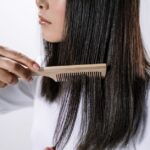
Brushing your hair daily helps distribute oil away from the scalp, which can reduce odor at the roots. But if you have very oily hair, brushing may spread the oil down the shafts and make the smell more noticeable.
How to Fix and Prevent Hair Odor
Use the right shampoo. For oily scalps that smell, look for shampoos containing zinc pyrithione, salicylic acid, or tea tree oil. These ingredients have antimicrobial properties and are commonly used in dandruff shampoos. Use them two to three times per week, not every day.
Clarify regularly. A clarifying shampoo once a week removes residue from styling products. Avoid using it more often because it can be drying.
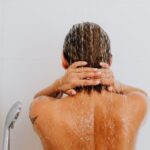
Rinse thoroughly. Leftover shampoo or conditioner can feed bacteria. Make sure you rinse your hair and scalp completely, especially around the nape of the neck and behind the ears.
Try a scalp scrub. Physical exfoliation once a week can remove dead skin cells and buildup. Use a gentle scrub designed for the scalp, or mix a small amount of brown sugar with your shampoo.
Wash after sweating. If you exercise or sweat heavily, rinse your hair with water or use a mild shampoo. Letting sweat dry on the scalp increases odor.
Change pillowcases and hats. Oil and bacteria transfer to fabric and then back to your hair. Wash pillowcases in hot water weekly. Clean hats and headbands after each use.
When to See a Doctor
Occasional hair odor is normal. But if your hair smells bad every day despite good hygiene, or if the odor is very strong or unusual (like ammonia or sweet), it could signal a medical issue. Seborrheic dermatitis, scalp psoriasis, or a bacterial infection can cause persistent odor.
See a dermatologist if you also have redness, flaking, itching, or sores on your scalp. A doctor can prescribe medicated shampoos or topical treatments that are stronger than over-the-counter products.
Frequently Asked Questions
Why does my hair smell bad even after I wash it?
You may not be washing your scalp thoroughly enough, or you might be using the wrong shampoo for your scalp type. Product buildup, hard water minerals, or an overgrowth of yeast can also leave a lingering odor after washing.
Can diet cause my hair to smell?
Some research suggests that eating a lot of garlic, onions, or spicy foods can release sulfur compounds through your pores and sweat, which then cling to your hair. The effect is usually temporary and goes away after a few days.
Is dry shampoo making my hair smell worse?
Dry shampoo absorbs oil but does not remove bacteria or dead skin cells. If used repeatedly without washing, it can trap these elements on your scalp, leading to a sour smell. Use dry shampoo no more than one day in a row.
How often should I wash my hair to prevent odor?
Most people do best washing every one to three days, depending on their hair type and how much they sweat. Washing too often can increase oil production and worsen odor, while washing too rarely allows buildup to accumulate.
