
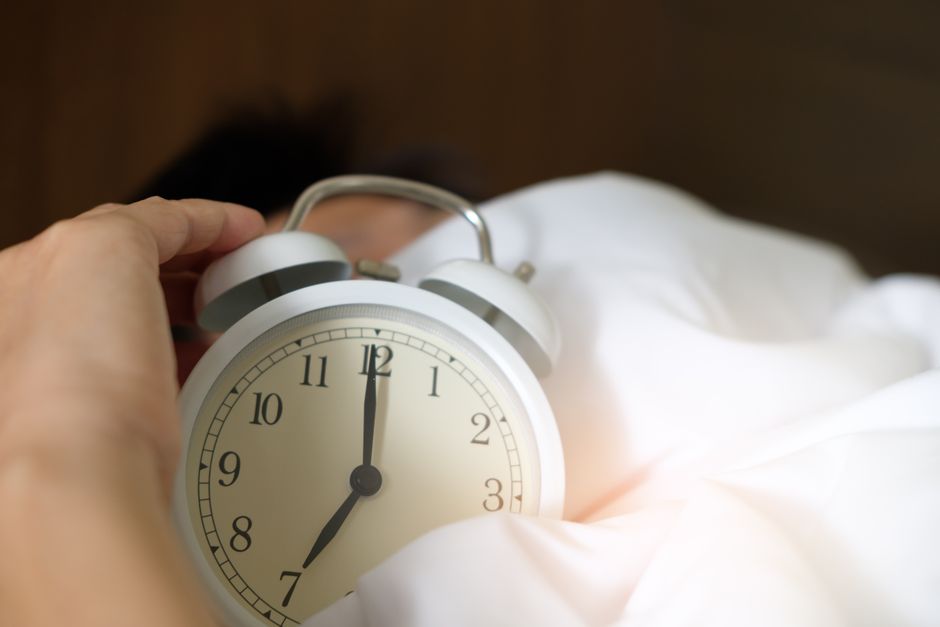
Waking up tired even after a full night in bed usually means your sleep was fragmented, too short, or not restorative — or that something outside sleep is draining your energy. The most common causes are poor sleep habits, sleep disorders like sleep apnea, and medical or mental health conditions such as anemia, thyroid problems, and depression. Fixing it starts with figuring out which of those is happening, because a morning coffee will not correct a breathing problem or a low iron level.
Feeling exhausted at 7 a.m. after eight hours in bed is not normal, and it is not something you just have to live with. It is a signal worth taking seriously.
Why You Wake Up Tired And How To Fix It? Why It Happens
Sleep is not a single uniform state. It cycles through stages roughly every 90 minutes, moving from light sleep into deep slow-wave sleep and then into REM sleep. Deep sleep is when the body repairs tissue and consolidates memory. REM sleep is when the brain processes emotion and memory. Waking up feeling rested depends on getting enough of both, in the right sequence.
When that architecture gets broken — by frequent awakenings, by alcohol, by a breathing problem, or by simply not spending enough time asleep — you can spend eight hours in bed and still wake up feeling like you barely slept. Time in bed and actual sleep are not the same thing.
One clarification that surprises many people: you do not need to remember waking up for your sleep to be fragmented. Brief arousals during the night are common and often leave no memory. The damage shows up as morning fatigue, not as a memory of being awake at 3 a.m.
What Are the Most Common Reasons You Wake Up Tired?
Most cases trace back to a handful of causes. Some are habits you can change. Others need a doctor.
- Not enough sleep. Many adults regularly get less than the 7 to 9 hours the American Academy of Sleep Medicine recommends for adults.
- Poor sleep quality. Alcohol, late caffeine, a warm room, or a restless partner can fragment sleep without shortening it.
- Sleep apnea. Breathing repeatedly stops or slows during sleep, causing brief awakenings that destroy sleep quality. Snoring and daytime sleepiness are common signs.
- Anemia. Low iron or low red blood cells reduce oxygen delivery and cause fatigue that is often worst in the morning.
- Thyroid problems. An underactive thyroid slows metabolism and commonly causes tiredness.
- Depression and anxiety. Both disrupt sleep and can make mornings the hardest part of the day.
- Medications. Some blood pressure drugs, antidepressants, antihistamines, and pain medications cause drowsiness or disrupt sleep.
- Circadian rhythm problems. Shift work, travel, and irregular bedtimes can leave your body clock out of step with your schedule.
These causes overlap. Someone can have mild sleep apnea and low iron at the same time. That is why a single fix often does not work.
Could Sleep Apnea Be Why You Wake Up Exhausted?
Sleep apnea is one of the most underdiagnosed causes of morning fatigue. In obstructive sleep apnea, the muscles at the back of the throat relax during sleep and block the airway. Breathing pauses, oxygen dips, and the brain briefly rouses to restart breathing. This can happen dozens or hundreds of times a night.
The person usually has no memory of it. They just wake up groggy, get headaches, and feel sleepy during the day. Loud snoring, gasping or choking during sleep, and a partner noticing pauses in breathing are warning signs.
Sleep apnea matters beyond tiredness. Left untreated, it is associated with high blood pressure, heart rhythm problems, and higher cardiovascular risk. Diagnosis requires a sleep study, which can often be done at home. Treatment — most commonly a CPAP machine or a dental device — is well established and can substantially improve daytime energy in people who have the condition.
If you snore heavily and wake up unrefreshed, this is worth raising with a doctor rather than guessing.
How Do Sleep Habits Affect Morning Energy?
Sleep habits shape sleep quality as much as sleep duration. A few changes have solid support:
- Keep a consistent schedule. Going to bed and waking at the same times — including weekends — supports your circadian rhythm.
- Limit alcohol close to bedtime. Alcohol helps people fall asleep but fragments sleep in the second half of the night and suppresses REM sleep.
- Cut caffeine in the afternoon. Caffeine has a long half-life and can still be active in your system many hours after your last cup.
- Keep the bedroom cool and dark. Core body temperature needs to drop for sleep to begin and stay deep.
- Get morning light. Exposure to daylight soon after waking helps set your body clock for the night ahead.
- Get out of bed if you cannot sleep. Lying awake for long stretches can teach your brain to associate bed with frustration.
These habits help many people, but they do not treat sleep apnea, anemia, or depression. If you have tried the basics for several weeks and still wake up exhausted, the next step is a medical evaluation, not more sleep hygiene tips.
When Should You See a Doctor About Waking Up Tired?
Morning fatigue that persists for several weeks despite reasonable sleep habits deserves a medical look. So does fatigue that is getting worse, or that comes with other symptoms.
See a doctor if you notice:
- Loud snoring, gasping, or pauses in breathing during sleep
- Falling asleep during the day without meaning to
- Morning headaches
- Unintentional weight loss or weight gain
- Feeling cold, constipated, or having dry skin (possible thyroid signs)
- Shortness of breath or unusual paleness (possible anemia signs)
- Persistent low mood or loss of interest in things you enjoy
A basic workup often includes blood tests for anemia and thyroid function, a review of medications, and screening questions for depression and sleep apnea. These are standard, low-risk steps.
One thing to be clear about: there is no single blood test for “tiredness.” Fatigue is a symptom, not a diagnosis, and finding the cause usually takes some detective work. That is normal, not a sign your doctor is missing something obvious.
What About Supplements and Quick Fixes for Morning Fatigue?
Most supplements marketed for energy have little or no strong evidence behind them in people who are not deficient. This is where honesty matters.
Iron supplements help only if you have iron deficiency, which should be confirmed by a blood test. Taking iron without a deficiency does not boost energy and can cause constipation and other side effects. Vitamin B12 helps if you are deficient, which is more common in people on certain diets or with absorption problems. For most people with a normal diet, B12 supplements do not increase energy.
Other common products — energy drinks, “adrenal support” blends, and stimulant-heavy powders — provide a short lift at best. They do not fix the underlying cause and can worsen sleep if taken late in the day.
The evidence is limited for most over-the-counter energy products. No large human trials confirm that they correct chronic morning fatigue in people without a specific deficiency.
Can Lifestyle Changes Really Fix Morning Tiredness?
For some people, yes. For others, lifestyle changes help but do not solve the problem alone.
Regular physical activity is one of the better-supported interventions for sleep quality. People who exercise regularly tend to fall asleep faster and report better sleep, though the effect varies. Morning or afternoon activity generally supports sleep better than intense exercise right before bed.
Managing stress matters too. Chronic stress raises cortisol and makes both falling asleep and staying asleep harder. Relaxation practices, therapy, and treating underlying anxiety or depression can improve sleep quality over time.
What lifestyle changes cannot do is substitute for treating a medical cause. If you have sleep apnea, no amount of good sleep hygiene will open your airway. If you have anemia, better bedtime habits will not raise your iron. The fix depends entirely on the cause.
How Long Does It Take to Feel Better?
Timelines vary by cause, and it is worth being realistic. Improving sleep habits can produce noticeable changes within a couple of weeks for some people. Treating iron deficiency with supplements typically takes several weeks to months before energy improves, because red blood cells take time to rebuild. Treating sleep apnea with CPAP can improve daytime sleepiness within days to weeks for many people, though some need longer.
If you have made changes and see no improvement after several weeks, that is useful information. It suggests the cause is something you have not addressed yet.
Frequently Asked Questions
Why do I wake up tired even after 8 hours of sleep?
Time in bed does not guarantee restorative sleep. Fragmented sleep, sleep apnea, anemia, thyroid problems, or depression can all leave you tired despite adequate hours.
What deficiency causes waking up tired?
Iron deficiency and vitamin B12 deficiency are the most common nutritional causes of persistent fatigue. Both should be confirmed with a blood test before supplementing.
Is it normal to wake up tired every day?
No. Waking up exhausted most days is a sign worth evaluating, not a normal part of aging or a busy life.
How do I know if I have sleep apnea?
Loud snoring, gasping during sleep, morning headaches, and daytime sleepiness are common signs. Only a sleep study can confirm the diagnosis.
