
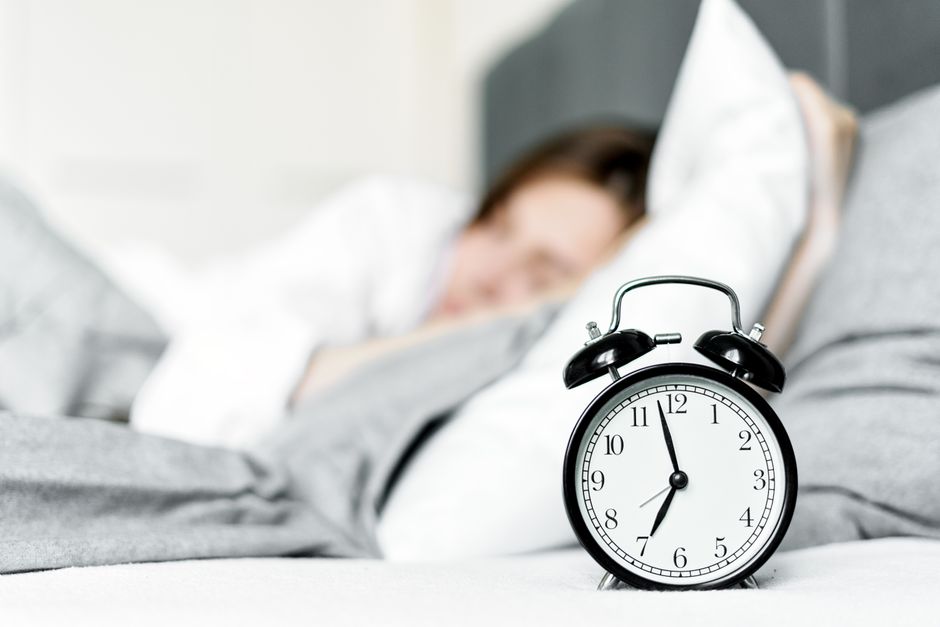
Waking up after just three hours of sleep is exhausting, and it is more common than most people realize. This pattern usually means your sleep is being interrupted during a specific stage of your sleep cycle, or something in your environment or body is pulling you out of deep rest. The fix involves identifying your personal trigger — whether it is stress, alcohol, blood sugar changes, or a sleep disorder — and then making targeted changes to address that cause. Most people can improve this pattern within a few weeks once the root issue is understood.
Why Do I Keep Waking Up After 3 Hours?
Sleep happens in cycles that last roughly 90 minutes each. After about two full cycles, you are naturally in a lighter stage of sleep. At that point, your body is more sensitive to noise, temperature, and internal signals. If something disrupts you during that lighter window, you wake up fully and struggle to fall back asleep.
The most common causes of waking after three hours include stress and anxiety, alcohol consumption, blood sugar dips, an overactive bladder, and untreated sleep apnea. Menopause and perimenopause also cause nighttime waking in many women. Less common causes include chronic pain, certain medications, and restless leg syndrome.
Stress is the most frequent culprit. When cortisol levels stay elevated, your body remains in a state of alertness. Even if you fall asleep easily, that alertness can surface during lighter sleep stages and wake you up. This is not a sign of weakness — it is a normal physiological response to perceived threat.
How Blood Sugar Affects Your Sleep
Your blood sugar naturally drops during the night. For most people, this is not a problem. But if you ate a large meal or consumed simple carbohydrates close to bedtime, your blood sugar may spike and then crash a few hours later. That crash can trigger the release of stress hormones, which wakes you up.
The fix is not complicated. Avoid large meals within two to three hours of bedtime. If you need a snack, choose something with protein and complex carbohydrates rather than sugar or refined flour. A small apple with peanut butter is a better choice than a bowl of cereal. This is not a cure for everyone, but it helps many people who notice they wake up hungry or shaky.
Alcohol is another major factor. Alcohol helps you fall asleep faster, but as your body metabolizes it, sleep becomes lighter and more fragmented. The sedative effect wears off after a few hours, often leaving you wide awake at 2 AM. If you drink alcohol regularly, reducing your intake — especially in the hours before bed — can significantly improve your sleep continuity.
What Is Sleep Maintenance Insomnia?
Waking up in the middle of the night and struggling to return to sleep has a clinical name: sleep maintenance insomnia. It is one of the most common sleep complaints among adults. Unlike trouble falling asleep, this type of insomnia is specifically about staying asleep.
Sleep maintenance insomnia is often linked to anxiety and rumination. Many people wake up, check the clock, and immediately start thinking about the next day. That mental activation makes it harder to drift back off. Over time, the brain can learn to associate waking at that hour with worry, creating a cycle that repeats nightly.
Cognitive behavioral therapy for insomnia, or CBT-I, is the most effective treatment for this condition. It includes techniques like stimulus control, which trains your brain to associate the bed only with sleep. If you cannot fall back asleep within 20 minutes, the recommendation is to get out of bed and do something quiet until you feel sleepy again. This may seem counterintuitive, but it breaks the association between bed and wakefulness.





Could It Be Sleep Apnea?
Sleep apnea causes breathing to stop repeatedly during the night. Each pause in breathing briefly wakes your brain to restart breathing. You may not remember these awakenings, but they fragment your sleep and prevent you from reaching the deeper stages that restore your body.
Waking up after three hours can be a sign of sleep apnea, especially if you also snore loudly, wake with a dry mouth, or feel exhausted during the day. Your bed partner may notice that you gasp or choke during sleep. Sleep apnea is more common in people who are overweight, but it affects people of all sizes.
If you suspect sleep apnea, talk to your doctor about a sleep study. This is not something to ignore. Untreated sleep apnea raises your risk for high blood pressure, heart disease, and stroke. A CPAP machine or oral appliance can restore normal breathing and improve sleep quality dramatically.
Why You Sleep 3 Hours At A Time And How To Fix It — Practical Steps
Start by tracking your sleep for one week. Write down what time you go to bed, what time you wake up, and anything you consumed in the evening. Note whether you woke up feeling hungry, anxious, or needing the bathroom. This record will help you identify patterns that point to the cause.
Establish a consistent wake time. Waking up at the same time every day — including weekends — helps anchor your circadian rhythm. This makes it easier to fall asleep at night and reduces the likelihood of middle-of-the-night waking.
Keep your bedroom cool and dark. The ideal sleep temperature is around 65 degrees Fahrenheit. If noise is an issue, consider a white noise machine. A consistent bedtime routine that includes winding down for 30 minutes before sleep can also reduce nighttime awakenings.
If you wake up and cannot fall back asleep within 20 minutes, get out of bed. Go to another room, read something boring under dim light, and return to bed only when you feel sleepy. This is the stimulus control technique used in CBT-I, and it is one of the most effective strategies for breaking the wake-up cycle.
When To See A Doctor
Occasional nighttime waking is normal. But if you wake up after three hours most nights for more than a few weeks, it is worth discussing with a healthcare provider. This is especially true if you also experience loud snoring, gasping during sleep, severe daytime fatigue, or mood changes.
Your doctor can evaluate you for sleep apnea, thyroid issues, or other medical conditions that disrupt sleep. They may also refer you to a sleep specialist for a formal sleep study. Do not try to diagnose yourself with a wearable device alone. Consumer sleep trackers are not accurate enough to diagnose sleep disorders.
If you are experiencing significant anxiety or depression, treatment for those conditions may improve your sleep as well. Mental health and sleep are closely connected. Addressing one often helps the other.
Frequently Asked Questions
Is waking up after 3 hours of sleep normal?
No, regularly waking after three hours and struggling to return to sleep is not normal. It is a common sleep problem, but it is treatable once the underlying cause is identified.
What does it mean when you wake up at the same time every night?
Waking at the same time nightly usually means your sleep cycle has a consistent disruption point, such as a blood sugar dip, stress hormone release, or an environmental trigger. The specific time is less important than the pattern itself.
Can magnesium help you sleep through the night?
Some research suggests magnesium may improve sleep quality, but the evidence is not strong enough to recommend it as a treatment for nighttime waking. Talk to your doctor before starting any supplement, especially if you have kidney problems.
How long does it take to fix middle-of-the-night waking?
Most people see improvement within two to four weeks of consistent changes to sleep habits and addressing the underlying cause. If you do not improve within a month, seek medical evaluation.
