
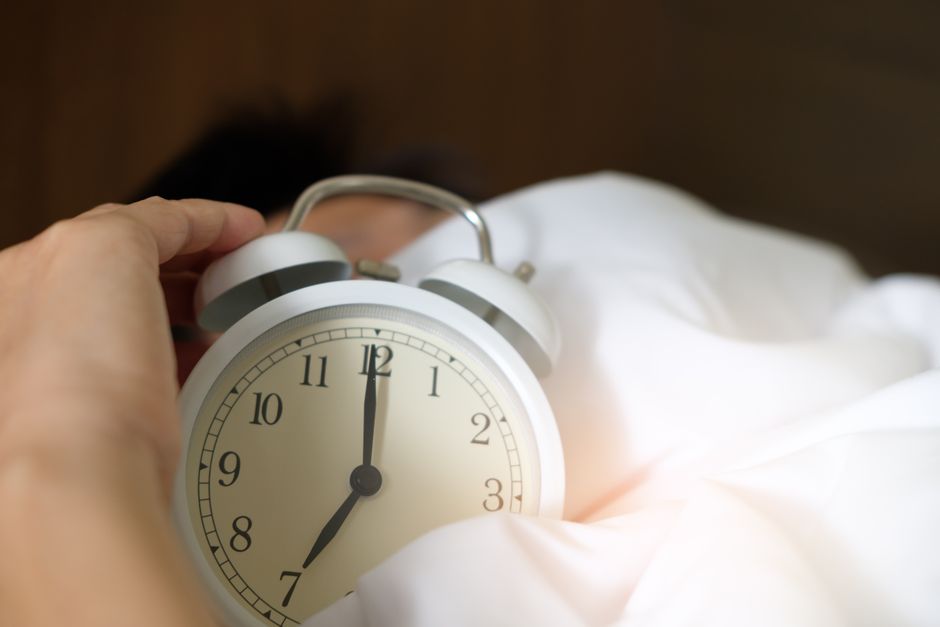
Feeling sleepy all the time is not normal, and you don’t have to live with it. The most common reasons are not getting enough quality sleep, having an untreated sleep disorder like sleep apnea, or an underlying medical condition such as anemia or an underactive thyroid. Lifestyle factors like poor diet, lack of exercise, and too much caffeine or alcohol also play a big role. The first step is to see your doctor for a checkup and to rule out medical causes. From there, improving your sleep habits and addressing any sleep disorder can make a real difference.
What Are the Most Common Causes of Daytime Sleepiness?
Daytime sleepiness often has more than one cause. The most common reason is simply not getting enough sleep. Adults need 7 to 9 hours per night on a regular basis. But even if you spend enough time in bed, the quality of your sleep matters just as much. Waking up multiple times during the night, even if you don’t remember it, can leave you exhausted the next day.
Other frequent causes include poor sleep hygiene — things like using your phone in bed, irregular bedtimes, or sleeping in a room that is too warm or noisy. Diet also plays a role. Eating heavy meals close to bedtime, drinking too much caffeine after noon, or using alcohol to fall asleep can all disrupt your sleep cycle. Lack of physical activity is another contributor. People who sit most of the day often feel more tired than those who stay active.
Could You Have a Sleep Disorder?
If you get enough hours of sleep but still feel exhausted during the day, a sleep disorder may be the reason. Obstructive sleep apnea is one of the most common and often goes undiagnosed. It causes your airway to collapse repeatedly during sleep, cutting off your breathing. This wakes you up briefly — sometimes hundreds of times a night — without you realizing it. Loud snoring, gasping for air, or waking up with a dry mouth are warning signs.
Insomnia is another common sleep disorder. It means you have trouble falling asleep, staying asleep, or waking too early. Insomnia can be short-term or chronic. Restless legs syndrome causes an uncomfortable urge to move your legs in the evening, which makes falling asleep difficult. Narcolepsy is a less common but serious condition where the brain cannot regulate sleep-wake cycles, leading to sudden sleep attacks during the day. If you suspect any of these, a sleep study can provide a clear diagnosis.
How Does Your Daily Routine Affect Your Energy?
Your habits during the day directly affect how rested you feel at night. Caffeine is a stimulant that can stay in your system for hours. Drinking coffee or soda after 2 p.m. can interfere with falling asleep and reduce deep sleep. Alcohol may help you fall asleep faster, but it fragments sleep later in the night. Even one drink can reduce sleep quality.
Eating a balanced diet with enough protein, healthy fats, and fiber helps maintain steady energy. Skipping meals or eating mostly processed carbohydrates can cause blood sugar swings that make you feel sluggish. Drinking enough water is also important. Even mild dehydration can cause fatigue and headaches.
Regular exercise improves sleep quality and daytime alertness. Moderate aerobic activity — like brisk walking, cycling, or swimming — for 30 minutes most days is enough to make a difference. Just avoid vigorous exercise within an hour of bedtime, as it can be too stimulating for some people.





What Medical Conditions Cause Chronic Fatigue?
Persistent sleepiness can be a symptom of an underlying health problem. Anemia — low iron levels — reduces the amount of oxygen your blood carries to your body’s tissues. This can leave you feeling weak and tired. An underactive thyroid (hypothyroidism) slows your metabolism, causing fatigue, weight gain, and feeling cold. Diabetes, especially when blood sugar is poorly controlled, can cause extreme tiredness.
Depression and anxiety are also common causes of fatigue. They can make it hard to fall asleep, cause early morning waking, or leave you feeling drained even after a full night’s sleep. Chronic fatigue syndrome is a complex condition characterized by severe fatigue that lasts at least six months and does not improve with rest. It requires a doctor’s evaluation to diagnose.
Other medical conditions such as heart disease, kidney disease, and autoimmune disorders like lupus or rheumatoid arthritis can also cause persistent tiredness. If your sleepiness is accompanied by other symptoms — like shortness of breath, joint pain, weight changes, or mood changes — it is especially important to see your doctor.
Why Am I Sleepy All the Time What to Do About It
The answer depends on the cause, but there are clear steps you can take. Start with a visit to your primary care doctor. A simple blood test can check for anemia, thyroid problems, diabetes, and vitamin deficiencies. Your doctor can also screen for depression and refer you to a sleep specialist if needed.
While waiting for your appointment, improve your sleep hygiene. Go to bed and wake up at the same time every day — even on weekends. Keep your bedroom cool, dark, and quiet. Remove electronic devices from the bedroom. Avoid caffeine after midday and limit alcohol to no more than one drink per day. Get at least 30 minutes of physical activity on most days. Eat meals at regular times and include protein and vegetables.
Keep a sleep diary for two weeks. Write down when you go to bed, when you wake up, how many times you wake during the night, and how you feel during the day. This information is very helpful for your doctor. If you snore loudly or have been told you stop breathing during sleep, mention that specifically.
When Should You See a Doctor for Excessive Sleepiness?
You should see a doctor if daytime sleepiness lasts for more than two weeks despite trying to improve your sleep habits. You should also seek medical help if you fall asleep during activities that require attention — like driving, working, or talking to someone. This is dangerous and requires a thorough evaluation.
Other reasons to see a doctor include loud snoring with pauses in breathing, gasping or choking during sleep, feeling like you cannot stay awake during the day, or needing to nap multiple times every day. Also see a doctor if your sleepiness is accompanied by other symptoms like chest pain, shortness of breath, rapid heartbeat, unexplained weight loss, or persistent sadness.
How Can You Tell If Your Sleepiness Is Normal or a Problem?
A common tool doctors use is the Epworth Sleepiness Scale. It asks how likely you are to doze off in eight different situations — like sitting and reading, watching TV, or riding in a car for an hour. Scores range from 0 to 24. A score above 10 suggests you may need a medical evaluation. You can ask your doctor for this questionnaire.
Another sign is whether you feel refreshed after sleeping. If you wake up and still feel tired, or if you need an alarm to wake up most days, your sleep may not be restorative. Frequent napping, especially if you nap for more than 30 minutes or feel worse after napping, is also a red flag.
Pay attention to how your sleepiness affects your daily life. Are you missing work? Avoiding social activities? Struggling to concentrate? These are signs that your sleepiness is more than a minor annoyance. It is a health issue worth addressing.
Frequently Asked Questions
Is it normal to be tired all day?
No, persistent daytime sleepiness is not normal and usually has a treatable cause. If you feel tired every day despite getting enough sleep, see a doctor.
How much sleep do adults really need?
Most adults need 7 to 9 hours of quality sleep per night on a regular basis. Less than 7 hours is linked to increased health risks.
Can what I eat make me sleepy?
Yes, large meals high in refined carbohydrates and sugar can cause blood sugar spikes and crashes that lead to fatigue. Eating balanced meals with protein and fiber helps maintain energy.
When should I see a doctor for being tired all the time?
See a doctor if tiredness lasts more than two weeks despite improving sleep habits, or if you fall asleep during activities like driving. Also see a doctor if you have other symptoms like snoring, gasping during sleep, weight changes, or mood changes.
