
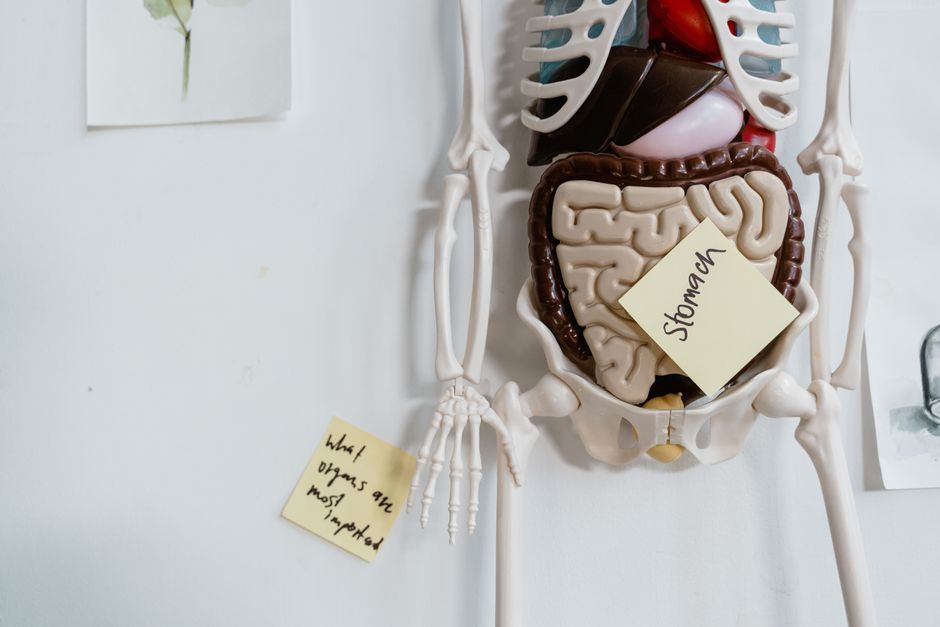
Pain on the left side of your stomach is common, and most of the time it is not an emergency. The left upper abdomen holds your stomach, spleen, part of your pancreas, and the left kidney, while the lower left side contains the end of your colon. Because several organs sit in that area, the cause of your pain depends heavily on exactly where it hurts, how it feels, and what makes it worse. Many causes are harmless, like trapped gas, but some require urgent medical care.
Why Would The Left Side Of My Stomach Hurt? Why It Happens
Your left abdomen is packed with organs that can each produce pain for different reasons. The upper left quadrant contains your stomach, the left portion of your liver, the spleen, the tail of your pancreas, and the upper part of your left kidney. The lower left quadrant holds the descending colon, the sigmoid colon, and in women, the left ovary and fallopian tube. Pain location matters because each organ sends pain signals to specific areas of your abdomen.
Muscle strain from exercise or coughing can also cause left-sided pain that feels like organ pain but is completely harmless. The key is to identify whether your pain is sharp or dull, constant or cramping, and whether it changes with movement, eating, or using the bathroom.
What Organs Sit on the Left Side of Your Abdomen?
Your spleen sits just below your rib cage on the left. It filters old blood cells and helps fight infection, but you can live without it if it is removed. Your stomach is mostly on the left side, and its upper portion connects to your esophagus. The tail of your pancreas extends to the left, though most of the pancreas sits midline. Your left kidney lies deep in the back of your abdomen, partially protected by your lower ribs.
Lower down, the descending colon travels down the left side, turning into the sigmoid colon before reaching the rectum. In women, the left ovary and fallopian tube sit in the lower left pelvis. Pain from any of these structures can be felt on the left, but the quality and timing of the pain helps narrow down the source.
Common Causes of Upper Left Abdominal Pain
Gas and indigestion top the list. When gas collects in the splenic flexure — the bend where your colon turns near your spleen — it produces sharp pain under the left ribs that can mimic heart or lung problems. This is called splenic flexure syndrome, and it is harmless. The pain often improves after passing gas or having a bowel movement.
Gastritis, or inflammation of the stomach lining, causes a burning or gnawing pain in the upper left abdomen. It often worsens after eating spicy foods or taking anti-inflammatory medications like ibuprofen. A peptic ulcer, which is a sore in the stomach lining, produces similar burning pain that may improve temporarily after eating.
Pancreatitis, or inflammation of the pancreas, causes severe upper abdominal pain that often radiates to the back. This pain is typically constant, intense, and worsens after eating fatty meals. Acute pancreatitis is a medical emergency. Chronic pancreatitis from long-term alcohol use or gallstones can cause recurrent episodes of this same pain.
An enlarged spleen from infection, liver disease, or blood disorders can cause a dull ache under the left ribs. A ruptured spleen is a true emergency, usually following trauma, and causes sudden severe pain with dizziness or fainting.
A kidney stone or kidney infection on the left side causes pain in the flank — the area between your ribs and hip — that may wrap around to the front. Kidney stone pain comes in waves and is often described as the worst pain a person has ever felt.





Common Causes of Lower Left Abdominal Pain
Constipation is the most frequent cause of lower left pain. When stool collects in the descending colon, it stretches the bowel wall and causes cramping. The pain typically improves after a bowel movement. Diverticulitis, an infection of small pouches that form in the colon wall, causes persistent pain in the lower left abdomen, often with fever, nausea, and changes in bowel habits.
Irritable bowel syndrome, or IBS, causes cramping that comes and goes, often related to meals or stress. The pain may alternate with diarrhea or constipation. Inflammatory bowel disease like ulcerative colitis can cause similar symptoms, typically with blood in the stool.
In women, ovarian cysts can cause sharp pain on the lower left side, especially mid-cycle. Ectopic pregnancy, where a fertilized egg implants outside the uterus, can cause severe one-sided pelvic pain and requires emergency treatment. Endometriosis can cause chronic lower left pain that worsens during menstruation.
A hernia in the groin or lower abdominal wall can cause a bulge with aching pain that worsens when you lift, cough, or strain. Strangulated hernias, where blood supply is cut off, are surgical emergencies.
When Should You Seek Emergency Care?
Some left-sided pain demands immediate medical attention. Go to an emergency room if your pain is severe, sudden, or worsening. Seek emergency care if the pain accompanies fever, persistent vomiting, blood in your stool or vomit, yellowing of your skin, or difficulty breathing.
Pain that wakes you from sleep, pain that prevents you from standing straight, or pain following an injury to your abdomen or chest also requires urgent evaluation. In women, sudden severe lower left pain with dizziness or vaginal bleeding could indicate a ruptured ovarian cyst or ectopic pregnancy.
If your pain is mild and you have no other symptoms, you can often wait and observe. But if the pain persists beyond a few days, worsens, or interferes with eating and sleeping, schedule an appointment with your doctor.
How Is Left-Sided Abdominal Pain Diagnosed?
Your doctor will start by asking about the pain’s location, quality, and timing. They will press on your abdomen to check for tenderness, guarding, or masses. Blood tests can check for infection, inflammation, or organ damage. Urine tests can identify kidney stones or infections.
Imaging studies help confirm the diagnosis. A CT scan is the most common test for evaluating abdominal pain because it clearly shows most organs. Ultrasound is used when doctors suspect gallbladder, kidney, or ovarian problems. An upper endoscopy allows direct visualization of your stomach and esophagus if ulcers or gastritis are suspected. A colonoscopy evaluates the colon for diverticulitis, inflammatory bowel disease, or polyps.
Can You Prevent Left-Sided Stomach Pain?
Not all causes are preventable, but many are. Staying hydrated and eating enough fiber reduces constipation. Regular physical activity keeps your bowels moving and reduces gas buildup. Limiting alcohol and avoiding excessive use of anti-inflammatory medications protects your stomach lining and pancreas.
Eating smaller meals and chewing food thoroughly reduces gas and indigestion. If you have IBS, keeping a food diary helps identify trigger foods. If you have diverticulosis, some evidence suggests that a high-fiber diet may reduce the risk of diverticulitis attacks, though the evidence is not definitive.
Frequently Asked Questions
Can left side stomach pain be a heart attack?
Yes, though it is less common than right-sided or central chest pain. Heart attacks can cause referred pain to the left upper abdomen, jaw, or arm, especially in women. If you have chest pressure, shortness of breath, or sweating with left abdominal pain, seek emergency care.
How long should I wait before seeing a doctor for left side pain?
See a doctor if the pain lasts more than a few days, worsens, or interferes with your normal activities. Seek emergency care immediately if the pain is severe, sudden, or accompanied by fever, vomiting, or blood in your stool.
Does left side stomach pain always mean something serious?
No. Most left-sided abdominal pain comes from gas, constipation, or muscle strain and resolves on its own. Serious causes like diverticulitis, pancreatitis, or ovarian problems exist, but they typically produce additional symptoms like fever, persistent pain, or changes in bowel habits.
Why does my left side hurt after eating?
Pain after eating often points to your stomach, pancreas, or colon. Gastritis and ulcers cause burning pain after meals. Pancreatitis worsens after fatty foods. If you have IBS, certain foods may trigger cramping as your colon responds to the meal.
