
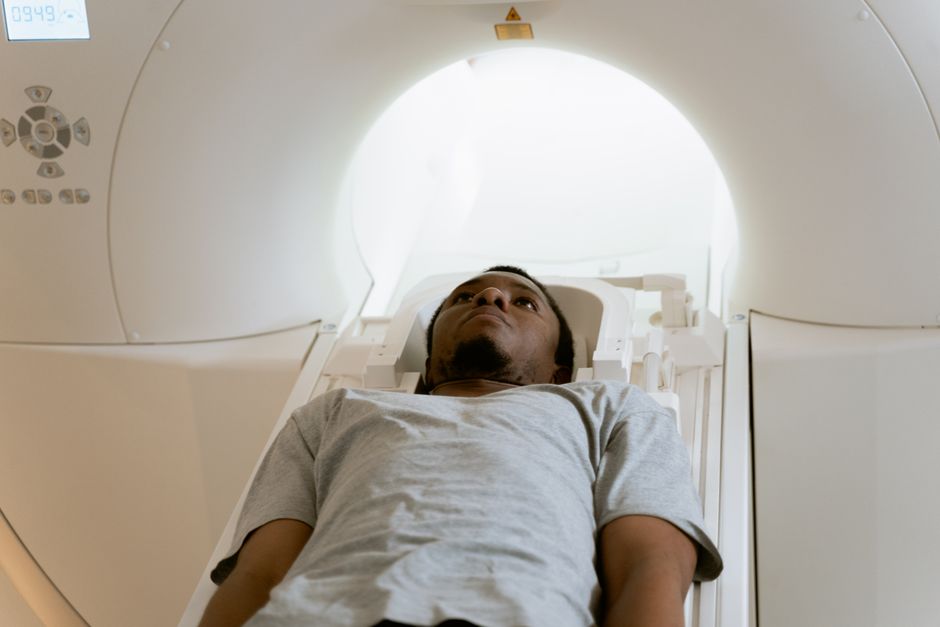
A CT scan is one of the most common imaging tests in modern medicine, and people are sent for one for a wide range of reasons. The most frequent include evaluating pain or injury in the head, chest, abdomen, or spine, checking for internal bleeding after an accident, staging or monitoring cancer, and investigating symptoms that other tests cannot explain. A CT scan is fast, widely available, and good at showing bone, blood vessels, and dense tissue in detail — which is why it is often the first choice when a doctor needs answers quickly.
The test itself is painless. You lie on a table that slides into a donut-shaped machine, and it is usually over in minutes. The main things to understand are why a doctor orders one, what it can and cannot show, and what the radiation dose means for you.
What Is a CT Scan and How Does It Work?
A CT scan — computed tomography — uses X-rays taken from many angles around your body to build detailed cross-sectional images. A computer combines those images into slices that can be viewed from front to back, side to side, and top to bottom.
Standard X-rays give a single flat picture. A CT gives a stack of them, which is why it can show the size, shape, and position of organs and structures in three dimensions. It is especially good at imaging bone, blood vessels when a contrast dye is used, and dense tissue.
Some scans use an iodine-based contrast dye, given by mouth, injected into a vein, or both. Contrast helps certain tissues show up more clearly. It also carries its own considerations, including a small risk of allergic reaction and, for some people with kidney problems, a need for extra precautions. Tell the staff about any allergies, kidney disease, or pregnancy before the scan.
Why Would Someone Need a CT Scan? Common Reasons
Doctors order CT scans when they need a clear picture of internal structures that a physical exam or plain X-ray cannot provide. The reasons fall into a few broad groups.
Trauma and Emergency Situations
After a car crash, a bad fall, or a blow to the head, a CT scan can quickly show internal bleeding, fractures, or organ damage. Speed matters in these cases, and CT is fast. Head CT is a standard tool for evaluating serious head injury.
Unexplained Pain or Symptoms
Persistent abdominal pain, severe headaches, chest pain, or unexplained weight loss may prompt a CT scan when the cause is not clear. A CT of the abdomen, for example, can reveal kidney stones, appendicitis, or other problems that are hard to detect by exam alone.
Cancer Detection, Staging, and Monitoring
CT scans are used to find tumors, see how large they are, and check whether cancer has spread. They are also used during and after treatment to track how a tumor is responding. This is one of the most common reasons for repeat scans.
Blood Vessel Problems
With contrast dye, CT can image the arteries and veins. It is used to look for blood clots in the lungs, aneurysms, and narrowed or blocked blood vessels. A CT angiogram is a specific type of scan for these questions.
Guiding Procedures and Planning Treatment
CT images help doctors plan surgery and guide biopsies or other procedures. They can show exactly where a needle or instrument needs to go.
How Is a CT Scan Different From an MRI or Ultrasound?
Each imaging test has strengths, and the choice depends on what the doctor needs to see. CT uses X-rays. MRI uses magnetic fields and radio waves and does not use ionizing radiation. Ultrasound uses sound waves.
| Test | Best For | Radiation | Typical Speed |
|---|---|---|---|
| CT scan | Bone, trauma, bleeding, lungs, cancer staging | Uses ionizing radiation | Minutes |
| MRI | Soft tissue, brain, spinal cord, joints | No ionizing radiation | Longer, often 30 minutes or more |
| Ultrasound | Organs, pregnancy, gallbladder, blood flow | No ionizing radiation | Minutes |
CT is often faster and more available than MRI, which matters in emergencies. MRI can show soft tissue detail that CT cannot, but it takes longer and is not suitable for everyone — for example, people with certain implanted devices. Ultrasound is safe and radiation-free but cannot see through bone or deep into the chest.
One point worth knowing: a CT is not automatically “better” than the alternatives. The right test depends on the question being asked. A doctor might choose ultrasound first for a gallbladder problem and reserve CT for when more detail is needed.
What Happens During a CT Scan?
Most CT scans are quick and require little preparation. You may be asked to remove metal objects and change into a gown. If contrast is used, you may need to avoid food or drink for a few hours beforehand.
You lie on a table that moves into the scanner. The machine rotates around you, and you may be asked to hold your breath for short periods so the images are clear. The scan itself usually takes a few minutes, though the whole appointment can take longer.
Afterward, most people go back to normal activities right away. If you had contrast dye, you may be asked to drink water to help clear it from your body. A radiologist reviews the images and sends a report to your doctor, often within a day or two depending on urgency.
Is the Radiation From a CT Scan Dangerous?
CT scans use more ionizing radiation than plain X-rays, and that is a real consideration. The dose varies widely depending on the part of the body scanned and the type of scan. A CT of the head or chest delivers a lower dose than a CT of the abdomen or pelvis.
The evidence on risk is genuinely mixed and worth stating honestly. At the doses used in medical imaging, the added cancer risk — if any — is small and hard to measure directly. Much of what is known comes from studies of people exposed to much higher radiation doses, such as atomic bomb survivors, and extrapolating from those to low doses is not straightforward.
What is clear is that CT scans provide information that often changes care and saves lives. The general clinical approach is to use CT when the benefit is likely to outweigh the small risk, and to avoid unnecessary repeat scans. If you are concerned, it is reasonable to ask your doctor whether the scan is needed and whether an alternative without radiation would answer the question.
Radiation exposure adds up over a lifetime, so tracking your imaging history is sensible, especially if you have a condition that requires frequent scans. Some hospitals and clinics use dose-reduction techniques that lower exposure without sacrificing image quality.
Are There Risks or Side Effects?
The scan itself is painless and has no direct side effects. The main considerations are radiation and, when contrast is used, the dye.
- Allergic reaction to contrast: Some people have mild reactions such as hives or nausea. Serious reactions are uncommon but possible, which is why staff ask about allergies beforehand.
- Kidney strain from contrast: Iodine-based contrast can affect kidney function in people who already have kidney disease. Your care team may check kidney function first or use a different approach.
- Claustrophobia: The scanner is open at both ends and most people tolerate it well, but some feel anxious. Tell the staff if you are worried.
- Pregnancy: CT involves radiation, so tell your doctor if you are or might be pregnant. The decision to scan during pregnancy is made case by case.
These risks are generally low, but they are not zero, and the decision to scan should weigh them against the value of the information.
When Might a Doctor Choose a Different Test Instead?
CT is not always the right choice. If the question can be answered with ultrasound or MRI, those options may be preferred — particularly in children, in pregnancy, or when repeated imaging is likely.
For some conditions, MRI gives clearer detail of soft tissue, such as in the brain, spinal cord, or joints. Ultrasound is often used first for gallbladder and pregnancy-related questions. The choice depends on what needs to be seen, how urgent the situation is, and the person’s individual circumstances.
It is reasonable to ask your doctor why a particular test was chosen. That conversation is part of good care, not a challenge to it.
Frequently Asked Questions
Why would a doctor order a CT scan instead of an MRI?
CT is faster and better for bone, bleeding, and trauma, which makes it a common first choice in emergencies. MRI is often preferred for detailed soft tissue imaging but takes longer and is not suitable for everyone.
Does a CT scan hurt?
No, a CT scan is painless. You lie still on a table while the machine rotates around you, and you may feel warmth or a brief flush if contrast dye is injected.
How long does a CT scan take?
The scan itself usually takes a few minutes, though the full appointment can take longer with preparation and contrast. Most people return to normal activities right after.
Is one CT scan safe?
A single CT scan carries a small radiation dose that is generally considered low risk when the information it provides is likely to guide care. The benefit is weighed against the risk for each person and each situation.
