
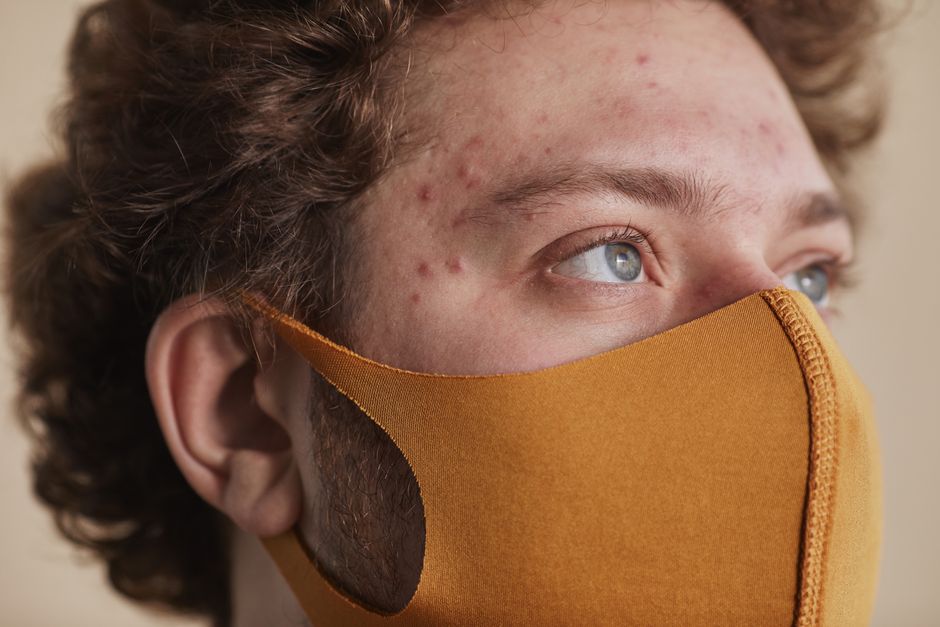
Acne that refuses to clear up is frustrating, especially when you have tried every cleanser, cream, and home remedy suggested online. The reason most acne persists is that it is driven by a combination of factors that a single product cannot fix. These factors include excess oil production, clogged hair follicles, bacteria, and inflammation, but the underlying trigger is often hormonal fluctuations that continue regardless of your skincare routine. To see real change, you must identify which of these specific drivers applies to your skin and treat the root cause rather than just the surface symptom.
Why Wont My Acne Go Away Causes And Fixes? The Reason
The most common reason acne does not clear is that the treatment does not match the cause. Acne is a chronic inflammatory condition of the pilosebaceous unit, which is the hair follicle and its attached oil gland. When your body produces excess sebum, dead skin cells can stick together and block the follicle opening. This creates a plug. If the plug becomes infected with Cutibacterium acnes bacteria, the immune system responds with inflammation, leading to red, painful pimples.
Many over-the-counter products only address one part of this chain. For example, salicylic acid helps shed dead skin cells, but it does little to reduce oil production or kill bacteria. Benzoyl peroxide kills bacteria, but it does not prevent the follicle from becoming blocked in the first place. If your acne is driven by hormones, neither of these will stop new lesions from forming because the hormone signal to the oil gland remains active.
Another reason acne persists is that the skin barrier is damaged. When the skin is stripped of its natural oils by harsh cleansers, the oil glands respond by producing even more sebum to compensate. This creates a cycle of over-drying, over-oiling, and worsening breakouts. The fix is not more aggressive cleansing, but a balanced routine that supports the skin barrier while targeting the specific causes of your acne.
What Are the Main Causes of Persistent Acne?
Acne is not one single disease; it is a condition with several distinct drivers. Understanding which one applies to you is the first step toward a successful treatment plan.
Hormonal fluctuations are the most common cause of adult acne. Androgens, which are male hormones present in both men and women, stimulate the sebaceous glands to produce more oil. In women, these hormones fluctuate during the menstrual cycle, pregnancy, perimenopause, and with conditions like polycystic ovary syndrome (PCOS). Even normal, healthy hormone levels can trigger acne if your oil glands are genetically sensitive to them.
Genetics play a significant role. If your parents had acne that persisted into adulthood, you are more likely to experience the same. This genetic predisposition affects how much oil you produce, how your skin cells shed, and how your immune system reacts to bacteria.
Diet is a contributing factor for some people. Research has shown a link between high-glycemic foods, which cause rapid spikes in blood sugar, and acne severity. Dairy, particularly skim milk, has also been associated with acne in several studies, although the exact mechanism is not fully understood. The evidence is not strong enough to say diet causes acne, but it can worsen existing acne in susceptible individuals.
Stress does not cause acne, but it can make it worse. Stress hormones like cortisol can increase oil production and inflammation. If you are already prone to breakouts, a stressful period can trigger a flare.
Cosmetics and hair products can contribute to a type of acne called acne cosmetica. Heavy, oil-based products can block follicles. Check the labels of your makeup, sunscreen, and hair styling products for ingredients like cocoa butter, coconut oil, or lanolin, which are known to be comedogenic.
Why Do Acne Treatments Stop Working?
Many people find that a treatment works for a few weeks and then stops. This is rarely because the acne has become “immune” to the product. More often, it is because the treatment was addressing one factor, and a different factor has now become dominant.
For example, a benzoyl peroxide product may clear bacterial inflammation, but if your primary issue is hormonal oil production, new non-inflamed blackheads and whiteheads will continue to form. When these become infected later, you see a new wave of inflamed pimples and assume the product stopped working.
Another possibility is that you are not using the product long enough. Topical retinoids, which are the gold standard for treating acne, take 8 to 12 weeks to show visible results. Many people give up after four weeks because they see no improvement, or they stop because the initial dryness and flaking is uncomfortable. The flaking is temporary and indicates the medication is working. Stopping too early means you never reach the point where the medication has normalized cell turnover.
Antibiotic resistance is a real concern with topical and oral antibiotics used for acne. When antibiotics are used for a long time, the C. acnes bacteria can become resistant, making the drug less effective. This is one reason dermatologists now recommend combining antibiotics with benzoyl peroxide or a retinoid, which reduces the risk of resistance.




What Does an Effective Acne Treatment Plan Look Like?
An effective plan targets multiple causes at once. It is not about one miracle product; it is about a consistent, layered approach that addresses oil production, cell turnover, bacteria, and inflammation.
The most evidence-based topical medications are retinoids. Adapalene, which is available over the counter at a 0.1% concentration, is a retinoid that normalizes the shedding of dead skin cells. This prevents the formation of the plug that starts the whole process. It also has some anti-inflammatory properties. Because it works on cell turnover, it is effective for both non-inflamed blackheads and inflamed pimples.
Benzoyl peroxide is the most effective over-the-counter antibacterial agent for acne. It works by releasing oxygen into the follicle, which kills the C. acnes bacteria. Unlike antibiotics, bacteria do not develop resistance to benzoyl peroxide. It is available in strengths from 2.5% to 10%. Studies have shown that 2.5% is just as effective as 10% but causes less irritation.
Salicylic acid is a beta-hydroxy acid that is oil-soluble. This means it can penetrate into the follicle and help dissolve the plug of dead skin and oil. It is useful for maintenance but is generally weaker than a retinoid for treating established acne.
For women with hormonal acne, dermatologists may recommend a combined oral contraceptive or spironolactone. These are prescription medications that work by reducing the effect of androgens on the oil gland. They are highly effective but take time to work, often 3 to 6 months for full results.
Oral antibiotics like doxycycline or minocycline are used for moderate to severe inflammatory acne. They are typically prescribed for a limited course of 3 to 4 months. They are not a long-term solution because of the risk of antibiotic resistance and side effects.
What Are the Most Common Mistakes People Make?
The biggest mistake is over-cleansing. Washing your face more than twice a day, or using a cleanser that leaves your skin feeling tight and dry, damages the skin barrier. This triggers more oil production and worsens acne.
The second mistake is picking or popping pimples. This pushes bacteria and oil deeper into the skin, causing more inflammation and increasing the risk of scarring. It also prolongs the healing time of the lesion.
The third mistake is changing products too frequently. Each new product takes several weeks to show an effect. If you switch every week, you never give any product a fair trial, and you may introduce irritation that makes the acne worse.
The fourth mistake is skipping moisturizer. Many people with oily skin believe they do not need one. But using a non-comedogenic moisturizer helps maintain the skin barrier, which is essential for allowing active ingredients like retinoids and benzoyl peroxide to work without causing excessive irritation.
When Should You See a Dermatologist?
If you have tried an over-the-counter retinoid and benzoyl peroxide consistently for 12 weeks without improvement, it is time to see a dermatologist. You should also seek medical care if your acne is severe, painful, or leaving scars.
A dermatologist can offer treatments that are not available over the counter. These include prescription-strength retinoids like tretinoin or tazarotene, oral medications, and in-office procedures like chemical peels, extraction, or laser therapy. They can also help you determine if your acne is actually a different skin condition, such as rosacea or folliculitis, which requires a completely different treatment approach.
Persistent acne can also be a sign of an underlying medical condition. In women, acne accompanied by irregular periods, excess facial hair, or hair thinning may indicate polycystic ovary syndrome. If you have these symptoms, you should discuss them with a doctor.
How Long Does It Take for Acne to Clear?
This is the question everyone wants answered, and the honest answer is that it depends on the cause and the treatment. Topical retinoids take 8 to 12 weeks to show significant improvement. Oral medications for hormonal acne can take 3 to 6 months. Antibiotics may show improvement in 6 to 8 weeks, but the effect may not be lasting once the medication is stopped.
It is important to understand that acne is a chronic condition. Like high blood pressure or eczema, it can be managed but may not be permanently “cured.” Many people need to continue using a maintenance treatment, such as a retinoid, to keep their skin clear. Stopping all treatment once the skin clears often leads to a relapse within a few weeks or months.
Frequently Asked Questions
Why is my acne not going away no matter what I do?
Your acne likely has multiple causes, and your current routine may only be addressing one of them. Hormonal fluctuations, genetics, and skin barrier damage are common reasons acne persists despite regular cleansing and spot treatments.
What is the fastest way to get rid of stubborn acne?
There is no fast fix; effective treatment takes 8 to 12 weeks of consistent use of evidence-based medications. Combining a retinoid like adapalene with benzoyl peroxide is the most effective over-the-counter approach.
Can diet cause acne that will not go away?
Diet does not cause acne, but high-glycemic foods and dairy may worsen it in some people. The evidence is not strong enough to recommend a specific diet for everyone, but some individuals see improvement when they reduce these foods.
Is it safe to use acne treatments long-term?
Topical retinoids and benzoyl peroxide are safe for long-term use and are commonly used for maintenance. Oral antibiotics are not safe for long-term use due to the risk of antibiotic resistance and should only be used for a limited course.
