
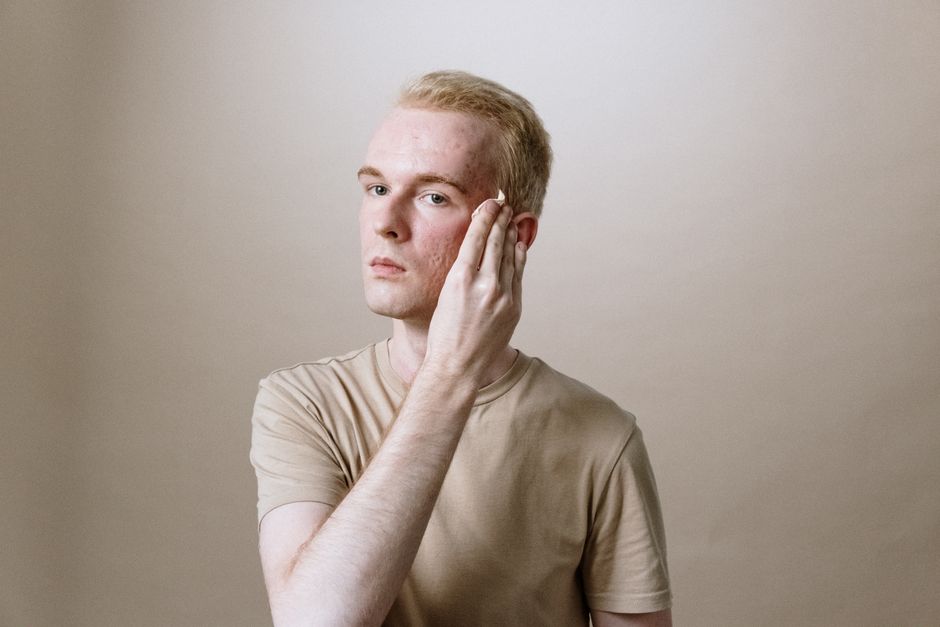
Tretinoin is a prescription form of vitamin A that changes how skin cells behave. It speeds up cell turnover, keeps pores from clogging, and stimulates collagen production over time. That combination is why one medication can address acne, fine lines, and uneven skin tone at the same time.
It is not a cosmetic fad. Tretinoin has been studied for decades and remains one of the most well-supported topical treatments in dermatology. But it is also frequently misunderstood, misused, and abandoned before it has a chance to work. Here is what the evidence actually shows.
Why Use Tretinoin for Acne, Wrinkles, and Skin Tone?
Tretinoin works on all three concerns because they share a common root: disrupted skin cell turnover. When dead cells do not shed normally, they block pores and create acne. The same sluggish turnover contributes to dull, uneven tone. And over years, reduced collagen production leads to fine lines and thinning skin.
Tretinoin addresses the underlying process rather than just the surface symptom. It is one of the few topical agents with strong evidence behind it for both acne and photoaging.
Acne and wrinkles may seem like opposite problems. In reality, both involve the same follicle and the same cycle of cell buildup. That is why a single active ingredient can help with both.
How Does Tretinoin Actually Work on the Skin?
Tretinoin binds to retinoic acid receptors in skin cells. This changes gene expression in several ways at once.
- It speeds up how quickly skin cells mature and shed, which helps clear blocked pores.
- It reduces the stickiness of cells lining the follicle, so they are less likely to clump and form a plug.
- It stimulates fibroblasts, the cells that produce collagen, which can thicken the skin over time.
- It helps redistribute melanin, which is why it can fade dark spots left behind by acne.
The acne benefit tends to appear first. The collagen and tone benefits take longer because they involve structural change in the skin, not just surface shedding.
One thing that surprises many people: tretinoin does not kill acne bacteria directly. It works by preventing the clogged pore that bacteria need to thrive. That is a meaningful difference from antibiotics.
What Is the Difference Between Tretinoin and Retinol?
Both are retinoids, but they are not interchangeable. Retinol is available over the counter. Tretinoin requires a prescription in the United States.
The key difference is how many steps the skin must take to convert the ingredient into its active form. Retinol must be converted twice before it becomes retinoic acid, the form skin can use. Tretinoin is already retinoic acid.
That does not make retinol useless. It means retinol is gentler and less potent, while tretinoin is more direct and more likely to cause irritation. Some people do well with retinol. Others need the prescription strength to see meaningful change.
Adapalene is a third option. It is a synthetic retinoid available over the counter in some formulations and by prescription in others. It is generally better tolerated than tretinoin and has solid evidence for acne, though its evidence for photoaging is more limited.





How Long Does Tretinoin Take to Show Results?
This is where many people give up too soon. Tretinoin is not a quick fix, and the timeline differs by concern.
For acne, some improvement may appear within a few weeks, but meaningful clearing often takes several months. Dermatologists commonly say to expect the full effect somewhere around three to four months of consistent use. There is also a well-known adjustment period where skin may look worse before it looks better.
For wrinkles and skin tone, the timeline is longer. Collagen remodeling is a slow process. Studies on topical tretinoin for photoaging generally show measurable change after several months of regular use, with continued improvement over a year or more.
The honest takeaway: tretinoin rewards patience. Inconsistent use produces inconsistent results.
Why Does Tretinoin Cause Peeling and Irritation?
The irritation is not a sign something is wrong. It is a predictable effect of accelerating cell turnover and thinning the outermost dead layer of skin.
Common reactions during the first weeks include redness, dryness, flaking, and a stinging sensation. This is often called the retinization period. It usually eases as the skin adjusts, though some people remain sensitive.
Several factors make irritation worse:
- Applying too much product
- Using it every night right away instead of building up
- Combining it with other harsh actives like strong acids or benzoyl peroxide at the same time
- Skipping moisturizer
- Not protecting skin from the sun
Starting slowly and buffering with moisturizer are common clinical strategies to reduce irritation. Some clinicians recommend applying tretinoin less often at first, then increasing frequency as tolerated. This is standard practice rather than a strict rule, and the right pace varies by person.
Does Tretinoin Help with Hyperpigmentation and Dark Spots?
Tretinoin can help fade post-inflammatory hyperpigmentation, the brown marks left after acne heals. It does this partly by speeding up cell turnover and partly by influencing how melanin is distributed in the skin.
It is not a standalone fix for all pigmentation. Melasma and sun-induced discoloration often need a combined approach. Some clinicians pair tretinoin with other agents, and sun protection is essential regardless of what else is used. Without daily sunscreen, pigmentation frequently returns.
The evidence for tretinoin in hyperpigmentation is reasonable but not uniform across all types of dark spots. Results vary based on skin type, cause of the pigmentation, and consistency of use.
What Are the Risks and Precautions?
Tretinoin increases sun sensitivity. This is not a minor footnote. Skin becomes more vulnerable to burning, and unprotected sun exposure can undo the very improvements the medication is meant to produce.
Daily broad-spectrum sunscreen is considered essential during treatment. This is one of the most consistent recommendations in dermatology for anyone using a retinoid.
Tretinoin is not recommended during pregnancy. Oral retinoids are well established as causing birth defects, and while the risk from topical tretinoin is considered lower, the standard medical guidance is to avoid it during pregnancy. Anyone who is pregnant, planning pregnancy, or breastfeeding should talk with a clinician before use. No clinical guidelines support casual use of tretinoin in these groups.
Other precautions worth knowing:
- It can interact with other topical products and cause excessive irritation when layered carelessly.
- Waxing and some cosmetic procedures should be paused while using it.
- It should be kept away from the eyes, mouth, and other sensitive areas unless a clinician directs otherwise.
Tretinoin is generally well tolerated by most people when used as directed. That is different from saying it is risk-free. The irritation and sun sensitivity are real and manageable, not imaginary.
How Should Tretinoin Be Used?
The general approach is a pea-sized amount for the whole face, applied at night to clean, dry skin. Using more does not work faster and tends to cause more irritation.
Most clinicians recommend starting a few nights per week and gradually increasing. Moisturizer can be applied before, after, or both, depending on how the skin responds. A simple routine with a gentle cleanser and a good moisturizer tends to work better than a complicated one.
Sunscreen every morning is not optional. It protects the results and reduces the risk of irritation and pigmentation rebound.
Consistency matters more than intensity. A modest amount used regularly outperforms a large amount used sporadically.
Is Tretinoin Worth It?
For many people, yes. It has one of the strongest evidence bases of any topical skin treatment and addresses multiple concerns at once. That is unusual in skincare, where most products target one issue.
But it is not for everyone. Some people cannot tolerate it. Some see limited benefit. Some find the timeline too long or the irritation too disruptive. Those are legitimate reasons to consider alternatives like adapalene, retinol, or other prescription options.
The right choice depends on skin type, goals, tolerance, and medical history. A dermatologist or clinician can help match the approach to the person rather than the trend.
Frequently Asked Questions
How long does tretinoin take to work on acne?
Some improvement may appear within a few weeks, but meaningful clearing often takes about three to four months of consistent use. Skin may look worse during the early adjustment period before it improves.
Can tretinoin really reduce wrinkles?
Research on topical tretinoin for photoaging shows measurable improvement in fine lines after several months of regular use. Results build slowly and depend on consistent use and sun protection.
Is tretinoin safe during pregnancy?
Standard medical guidance is to avoid tretinoin during pregnancy and breastfeeding. Anyone who is pregnant or planning pregnancy should speak with a clinician before using it.
What is the difference between tretinoin and retinol?
Tretinoin is prescription-strength retinoic acid that skin can use directly. Retinol is available over the counter and must be converted by the skin, making it gentler but less potent.
