
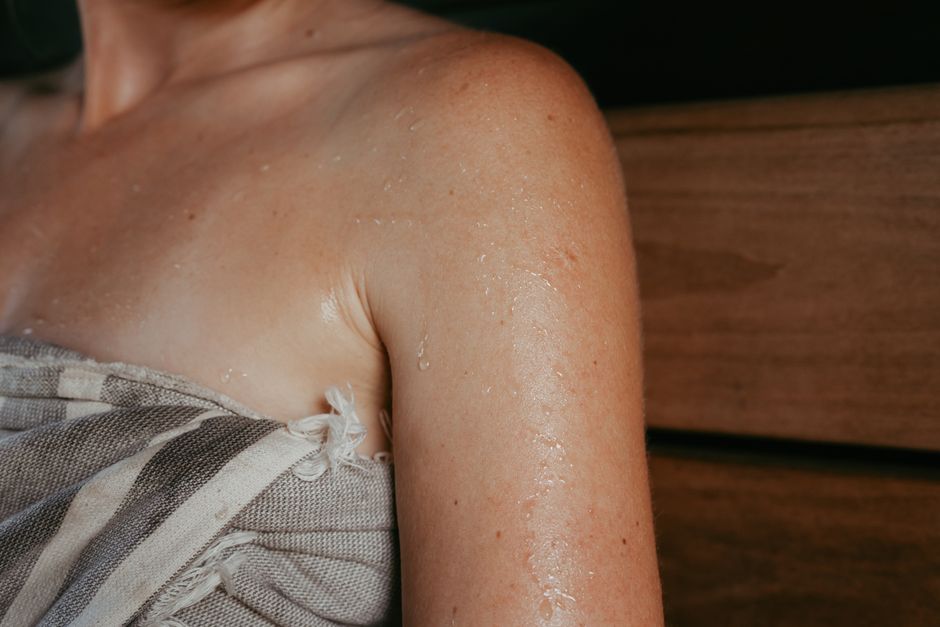
Sweat itself doesn’t actually smell. The odor comes from bacteria living on your skin that break down the sweat into acids. Under your breasts, the area is warm, dark, and often moist, which creates the perfect environment for these bacteria to multiply quickly. The fix involves reducing moisture, changing the skin’s environment, and using proven antibacterial or acidifying ingredients, not just masking the smell with deodorant.
Why Does Sweat Under Your Breasts Smell So Bad?
You have two main types of sweat glands. Eccrine glands cover most of your body and produce a watery, salty sweat. Apocrine glands are found in areas with lots of hair follicles, like your armpits and groin. The skin under your breasts has a mix of both, but the environment there is what changes the outcome.
When sweat sits on the skin for too long, bacteria break it down. The bacteria feed on the proteins and fats in the sweat. Their waste products are what you actually smell. This process happens faster in warm, humid places, which is why the underside of your breasts can produce a stronger odor than other areas of your torso.
The skin fold itself traps heat. Your breasts press against your chest wall, creating a pocket where air does not circulate. This trapped heat raises the local skin temperature, causing you to sweat more in that spot. The sweat does not evaporate because the area is covered and lacks airflow, leaving the skin damp for hours.
Is It Normal To Have An Odor Under Your Breasts?
Yes, it is completely normal. Everyone has bacteria on their skin, and everyone sweats. The intensity of the smell varies from person to person based on genetics, hormone levels, diet, and how much you sweat.
Some people naturally have more apocrine glands in that area than others. Some people have deeper skin folds, which trap more heat and moisture. Body weight plays a role too, because larger breasts or a heavier chest wall can create a deeper fold with less airflow.
Hormones also change your body odor. During pregnancy, menopause, or certain times in your menstrual cycle, your sweat composition can change. This can make the smell stronger or different than what you are used to.
What Causes The Sour Or Vinegar-Like Smell?
A sour or vinegar-like smell is usually caused by a specific type of bacteria breaking down sweat. These bacteria produce propionic acid, which has a tangy, vinegar-like scent. It is the same acid that gives vinegar its sharp smell.
Another common smell is a yeasty or bread-like odor. The skin under your breasts can harbor yeast, particularly a type called Candida. Yeast thrives in warm, moist environments. When yeast overgrows, it can produce a distinct musty or fermented smell.
If you notice a strong yeasty odor along with redness, itching, or a rash, you may have a yeast infection under your breasts. This is a common condition called intertrigo. It is not dangerous, but it does need proper treatment to clear up.



How To Fix The Smell Under Your Breasts
The most effective way to fix the smell is to change the environment under your breasts. Bacteria and yeast need moisture to thrive. If you remove the moisture, the odor goes away.
Start by washing the area daily with a gentle cleanser. Plain soap and water works well. Some dermatologists recommend using a cleanser containing benzoyl peroxide or chlorhexidine because these ingredients kill bacteria directly. Use these sparingly, as they can be drying or irritating to sensitive skin.
After washing, dry the area completely. Use a clean towel and pat the skin dry rather than rubbing it. You can also use a hairdryer on a cool setting to make sure the fold is completely dry before you get dressed.
Apply an absorbent powder to keep the area dry throughout the day. Cornstarch-based powders are generally safe and effective. Talc-based powders were once common, but the American Cancer Society and other health organizations have raised concerns about talc safety. Many experts now recommend cornstarch-based options instead.
Wear a bra made of moisture-wicking fabric. Cotton absorbs sweat but holds it against your skin. Synthetic fabrics like nylon, polyester, or specialized athletic blends pull moisture away from the skin and allow it to evaporate. Change your bra daily, and change it again if it becomes damp from sweat.
What Ingredients Actually Stop The Odor?
Several over-the-counter ingredients have solid evidence behind them for reducing body odor. These work by either killing bacteria or lowering the pH of the skin so bacteria cannot survive.
Benzoyl peroxide is a proven antibacterial agent. It is available in cleansers and creams at concentrations of 2.5% to 10%. It works by releasing oxygen into the skin, which kills the bacteria that cause odor. It can bleach clothing, so rinse it off thoroughly and wait for the skin to dry before dressing.
Chlorhexidine is another antibacterial ingredient. It is often used as a surgical scrub because it kills a broad range of bacteria. It is available over-the-counter in some cleansers. It binds to the skin and keeps working for hours after application.
Aluminum chloride is the active ingredient in most clinical-strength antiperspirants. It works by temporarily blocking the sweat ducts, reducing the amount of sweat that reaches the skin surface. Some dermatologists recommend applying an antiperspirant under the breasts at night, when sweat production is lower. This allows the product to absorb into the sweat ducts more effectively.
Antibacterial soaps containing triclosan were once common, but the FDA banned triclosan from consumer antiseptic washes in 2016 due to safety concerns and lack of proven benefit over plain soap. Avoid products listing triclosan as an ingredient.
When To See A Doctor About The Smell
If the odor persists despite good hygiene and the steps above, you should see a doctor. A persistent strong odor can indicate an overgrowth of bacteria or yeast that needs prescription treatment.
Your doctor can prescribe a topical antifungal cream if you have a yeast infection. They can also prescribe a stronger antibacterial wash or a topical antibiotic if bacterial overgrowth is the cause. In some cases, they may prescribe a medication to reduce sweating, such as an oral anticholinergic or a topical glycopyrronium tosylate product.
See a doctor promptly if you notice any of the following signs:
- Redness, swelling, or pain under your breasts
- Blisters, oozing, or crusting of the skin
- Fever or chills
- A smell that gets worse despite washing
- Skin that feels hot to the touch
These symptoms can indicate a bacterial skin infection that requires medical treatment. Cellulitis, a deeper bacterial infection, can develop in skin folds and needs prompt attention.
Can Diet Change The Smell Of Your Sweat?
Diet can influence body odor, but the effect is modest. Certain foods are known to change the smell of sweat because their compounds are excreted through the skin.
Garlic and onions contain sulfur compounds that are released through your sweat after you eat them. Spicy foods can increase sweating overall, which can worsen odor indirectly. Alcohol and caffeine also increase sweat production in some people.
Red meat may influence body odor as well. Some research suggests that people who eat less red meat have a more pleasant body odor, though this is not a strong or well-established finding. The evidence here is limited and results vary between studies.
Staying hydrated does not directly change the smell of your sweat, but it can dilute the concentration of compounds in your sweat. Drinking enough water also helps your body regulate temperature, which may reduce overall sweating.
Does Deodorant Or Antiperspirant Work Under Breasts?
Yes, both can help, but they work differently. Deodorant kills bacteria and masks odor. Antiperspirant reduces the amount of sweat you produce.
If your main issue is odor without excessive wetness, a deodorant may be enough. Look for one that lists an antibacterial ingredient. Some deodorants use baking soda or other alkaline ingredients to neutralize acids, but baking soda can irritate sensitive skin. If you develop a rash or redness, stop using it.
If you sweat heavily under your breasts, an antiperspirant is more effective. Apply it at night to clean, dry skin. The active ingredient needs time to absorb into the sweat ducts to work properly. Washing it off in the morning is fine because the effect lasts for hours.
Some people are hesitant to use antiperspirants due to concerns about aluminum and breast cancer. Multiple large studies have found no link between aluminum in antiperspirants and breast cancer. The American Cancer Society states that there is no strong evidence connecting antiperspirant use to cancer risk.
Frequently Asked Questions
Why does the skin under my breasts smell like vinegar?
A vinegar smell usually means certain bacteria are breaking down your sweat into propionic acid. This is normal bacteria activity, and washing with an antibacterial cleanser can reduce the odor.
Is it safe to put deodorant under my breasts?
Yes, it is safe for most people. If your skin is not irritated, applying deodorant or antiperspirant under the breasts is an effective way to control odor and moisture.
Can a yeast infection cause odor under the breasts?
Yes, a yeast infection can produce a musty or fermented smell. If you also have itching, redness, or a rash, see a doctor for an antifungal treatment.
How often should I wash under my breasts to prevent odor?
Washing once daily is usually enough for most people. If you sweat heavily or exercise, wash again after your workout and dry the area completely before getting dressed.
