
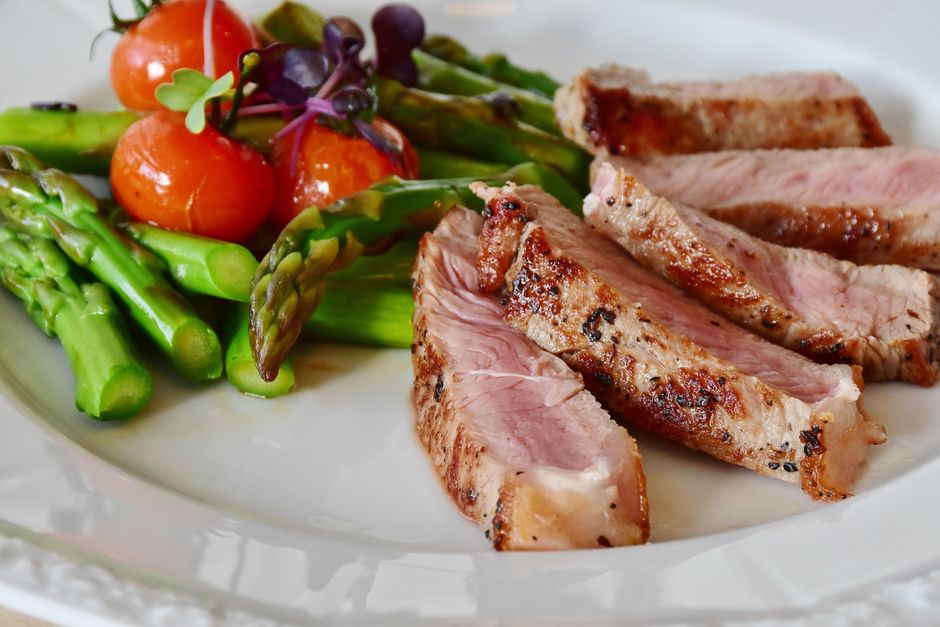
Sous vide makes food juicier and more tender because it cooks at a precise, low temperature in a sealed bag. The vacuum seal traps moisture and natural juices that would otherwise evaporate or drip away. The low, steady heat also breaks down connective tissue slowly without squeezing water out of the muscle fibers the way high heat does.
That is the short version. The full explanation involves protein chemistry, water retention, and the way heat moves through food. It is worth understanding because it explains why a sous vide steak and a grilled steak can come from the same cut and turn out completely different.
Why Sous Vide Makes Food Juicier And More Tender?
Two separate things happen at once, and they are worth pulling apart because they explain different results.
The first is water retention. Muscle is roughly 75 percent water, held inside and around protein structures called fibers. When you cook meat with high heat, those fibers contract quickly and hard. As they squeeze together, water gets pushed out. That is the puddle on the cutting board after you rest a steak. It is also why overcooked chicken turns dry and stringy.
Sous vide avoids that sudden squeeze. The temperature is set to the exact doneness you want, often far below boiling. The protein fibers contract gently rather than violently. Water stays where it is. The sealed bag also means there is nowhere for moisture to escape to.
The second is collagen breakdown. Tough cuts like short ribs, brisket, and pork shoulder are full of connective tissue made mostly of collagen. Collagen is tough when raw. Heat converts it into gelatin, which is soft and rich. That conversion takes time, and it happens faster at higher temperatures. A long sous vide cook holds the meat at a temperature warm enough to convert collagen but cool enough to avoid drying out the muscle. The result is meat that is both tender and moist, which is hard to achieve with a hot oven or grill.
What Temperature Does Sous Vide Cook At?
Sous vide cooking temperatures typically range from around 130°F to 185°F, depending on the food. That range is wide because different goals need different heat.
For beef steak cooked medium rare, the target is generally around 130°F to 135°F. At that temperature, the meat reaches the doneness you want without ever exceeding it. For chicken breast, food safety guidance calls for a minimum internal temperature of 165°F. For tough braising cuts, cooks often go lower and longer, sometimes 135°F to 160°F for many hours, to give collagen time to convert.
The key point is that sous vide holds one steady temperature. A grill or pan swings wildly, going from 400°F at the surface to much cooler inside. That gap is what dries out the outer layers before the center is done.
How Does the Vacuum Seal Keep Food Moist?
The sealed bag does two jobs.
First, it stops evaporation. In a normal oven, moisture leaves the surface of the food and goes into the air. In a sealed bag, that moisture has nowhere to go. It stays in contact with the food.
Second, the bag holds in rendered fat and juices. When fat melts out of the meat, it collects in the bag instead of dripping into a pan. The food sits in its own juices for the entire cook. Some of that gets reabsorbed, and the rest can be used to make a sauce.
It is worth noting that the vacuum itself is not the main reason food stays juicy. The seal matters more than the vacuum. A well-sealed bag with minimal air works nearly as well as a fully vacuumed one. The point is keeping moisture in, not removing every trace of air.
Does Sous Vide Make Meat More Tender Than Grilling?
For tough cuts, yes, and the difference is large. For already tender cuts, the answer is more about consistency than tenderness.
A tender cut like beef tenderloin or a ribeye is already soft. Grilling it well gives a nice crust and good texture. Sous vide gives you precise doneness edge to edge, but it does not make an already tender cut dramatically more tender.
Where sous vide separates itself is with collagen-rich cuts. A chuck roast or pork shoulder cooked sous vide for many hours can come out sliceable and moist. The same cut cooked quickly on a grill would be chewy and tough. The long, gentle heat gives collagen time to turn into gelatin without driving off water.
Some studies suggest that longer cooking times at moderate temperatures produce more complete collagen conversion, though the exact relationship between time, temperature, and tenderness varies by cut and species. The general direction is well established in food science.
Does Sous Vide Work for Vegetables and Eggs?
Yes, but the results differ from meat, and the reasons are different.
Vegetables do not have collagen or muscle fibers. Their texture comes from pectin and cell walls. Heat softens pectin, and sous vide can do this evenly. Carrots cooked sous vide at around 183°F come out tender but still firm, with more of their color and flavor retained than boiled carrots. That is because the sealed bag keeps water-soluble flavor compounds from leaching into cooking water.
Eggs are a special case. Sous vide lets you hold an exact temperature, which matters because egg white and yolk set at different temperatures. A yolk might set around 149°F while the white needs closer to 145°F to 155°F depending on texture. Precise control lets you make eggs with textures that are hard to get any other way, like custardy yolks with barely set whites.
One caution: vegetables and eggs cooked sous vide still need to be handled safely. Low-temperature cooking does not sterilize food. It is not a substitute for proper refrigeration and safe handling.
Is Sous Vide Always Better Than Other Cooking Methods?
No. Sous vide is a tool, not a universal upgrade.
It cannot produce a browned crust. That is a real limitation, because browning creates hundreds of flavor compounds through the Maillard reaction. Most sous vide meat is finished with a quick sear in a hot pan or on a grill, which adds back some of what the low-temperature cook cannot provide.
Sous vide also takes time. A steak might need one to four hours. A tough roast might need 24 hours or more. That is a real commitment compared to a 10-minute grill.
And for some foods, the method offers little benefit. Quick-cooking seafood, thin cuts, and dishes where you want char and smoke are often better cooked conventionally. Sous vide shines when precision, moisture retention, and collagen conversion matter most.
What Are the Food Safety Considerations?
Low-temperature cooking raises legitimate safety questions, and they are worth taking seriously.
Bacteria like Salmonella and Listeria are killed by heat, but the temperature and time work together. A lower temperature needs a longer time to achieve the same reduction. The USDA publishes time-and-temperature tables for this reason. Cooking chicken to 165°F kills pathogens almost instantly, while holding it at a lower temperature for a longer time can achieve a similar safety outcome. But those combinations are specific and should be followed from authoritative sources, not guessed.
Other points matter too:
- Do not cook food sous vide and leave it at room temperature afterward. Pathogens can grow in the temperature range between roughly 40°F and 140°F.
- Chill cooked food quickly if you are not eating it right away.
- Use a calibrated thermometer. Sous vide depends on accurate temperature, and a device that is off by a few degrees can push food into an unsafe zone.
- Do not reuse bags that held raw meat without thorough cleaning.
For pregnant women, infants, young children, older adults, and anyone with a weakened immune system, the margin for error is smaller. If you are in one of those groups, follow established food safety guidance closely or choose cooking methods that reach higher temperatures.
Frequently Asked Questions
Does sous vide make meat more tender?
Yes, especially for tough cuts with a lot of collagen. The long, gentle heat converts collagen into gelatin, which softens the meat without drying it out.
Why does sous vide food stay juicy?
The sealed bag traps moisture and juices that would otherwise evaporate or drip away. The low, steady temperature also keeps muscle fibers from contracting hard and squeezing out water.
Can you overcook food in a sous vide?
Yes. You cannot exceed the set temperature, but cooking too long can still break down texture and make some foods mushy. Time matters as much as temperature.
Is sous vide cooking safe?
It can be safe when you follow established time-and-temperature guidance from authoritative sources. Low-temperature cooking requires more care than high-heat methods, because safety depends on both temperature and time together.
