
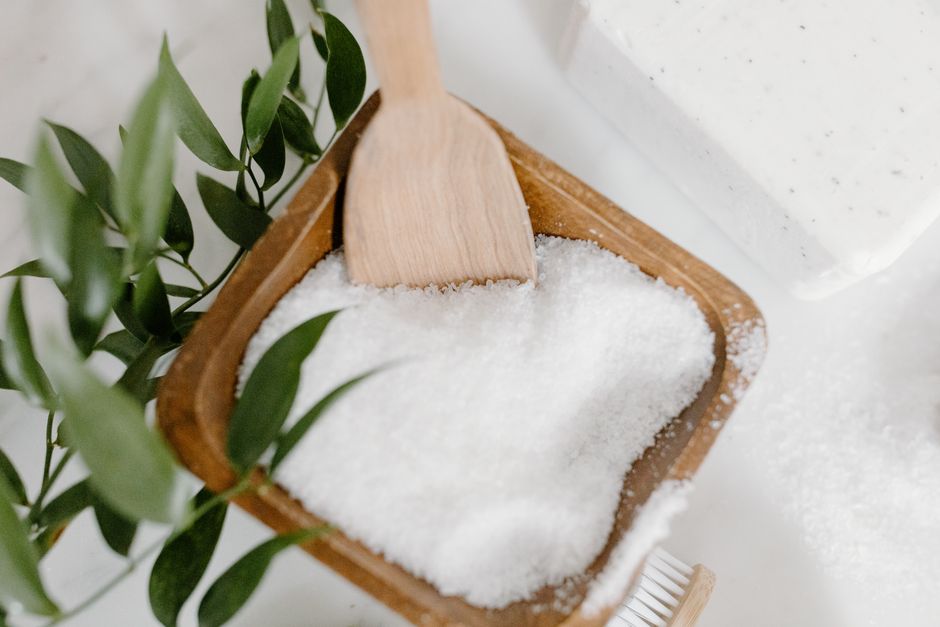
Salt burns your mouth because it pulls water out of the cells that line your tongue, cheeks, and gums. That water loss irritates nerve endings and triggers pain signals. The burning is usually temporary, but it can become serious if you swallow a large amount of undissolved salt or hold it in your mouth too long. Most cases settle on their own once you stop the exposure and rinse your mouth.
What Actually Happens When Salt Touches Your Mouth?
Salt is a desiccant. It draws water toward itself, and your mouth lining is mostly water. When undissolved salt sits against the tissue, it pulls moisture out of the surface cells through a process called osmosis.
Those cells shrink and become irritated. The nerves just beneath the surface fire off pain signals, and you feel that sharp, stinging burn. The same principle is why salt works as a preservative — it dries out bacteria and other cells.
Table salt is sodium chloride. It dissolves quickly in saliva, which is why a pinch usually stings for only a few seconds. Coarse salt, flaky salt, and large grains dissolve more slowly. They stay in contact with tissue longer, so the burn lasts longer and can feel sharper.
This is a physical and chemical irritation, not an allergic reaction. That distinction matters, because the fix is different from what you would do for an allergy.
Why Does Salt Burn More When You Have a Cut or Sore?
Broken skin and open sores have lost their protective outer layer. Salt reaches the raw tissue underneath, where nerve endings sit closer to the surface. The same osmotic pull happens, but now it acts directly on exposed nerves.
That is why a tiny crack at the corner of your mouth can hurt far more than a larger patch of intact skin. It is also why salt water stings a canker sore or a bitten tongue so intensely.
There is a common belief that salt helps heal mouth sores by “drying them out” or killing germs. The evidence here is limited. Salt water rinses are widely used and some clinicians recommend them for general mouth cleanliness, but there is no strong trial evidence that salt speeds the healing of a canker sore or a mouth ulcer. The sting you feel during a rinse is irritation, not proof that anything is healing.
Why Salt Burns Your Mouth And How To Stop It: The Immediate Steps
The burning stops when the salt is gone and the tissue has reabsorbed water. That usually takes minutes, not hours. Here is what helps.
- Spit out the salt. Do not swallow it. Removing the source stops the water loss immediately.
- Rinse with plain water. Swish and spit a few times to clear any remaining grains or concentrated brine.
- Drink water. Sipping and swallowing plain water helps rehydrate the tissue from the inside.
- Avoid acidic or hot foods for a few hours. Coffee, citrus, tomato, and spicy food can irritate tissue that is already raw.
- Skip alcohol-based mouthwash. It can add to the irritation while the lining recovers.
Do not scrub your tongue or brush aggressively to “get it off.” That adds mechanical irritation on top of the chemical burn.
A small amount of salt used in cooking or sprinkled on food does not cause this problem. The burn comes from undissolved salt sitting directly against tissue, or from a highly concentrated salt solution held in the mouth.
When Is Salt in the Mouth Actually Dangerous?
Swallowing a large amount of undissolved salt is a different situation from a pinch on your tongue. It can cause real harm and is a medical emergency.
Salt overload in the body pulls water out of the bloodstream and into the gut, and it can raise blood sodium to dangerous levels. This has caused serious injury and, in rare reported cases, death — most often after someone swallowed a large quantity of salt as part of a dare, a TikTok-style challenge, or a misguided home remedy. Reports of this have appeared in emergency medicine literature and in news coverage of salt-challenge cases.
Warning signs after swallowing a large amount of salt include:
- Severe, persistent vomiting
- Intense thirst and dry mouth that does not improve with water
- Confusion, drowsiness, or trouble staying awake
- Muscle twitching, weakness, or seizures
- Swelling, especially in the hands, feet, or face
If any of these appear after swallowing a large amount of salt, seek emergency care right away. Do not wait to see if it passes. Do not try to “flush it out” by drinking large volumes of water on your own — that can create its own problems. Call emergency services or a poison control center.
For a simple salt burn on the tongue with no swallowing of a large amount, the risk is low. The tissue heals on its own, often within a day.
Does Gargling Salt Water Damage Your Mouth?
No, when it is made and used correctly. A mild salt water gargle is a traditional remedy and is still commonly recommended for a sore throat or after dental work. The key word is mild.
A typical gargle uses about half a teaspoon of salt dissolved in a full glass of warm water. At that concentration, the salt is fully dissolved and the solution is close enough to the saltiness of your own body fluids that it does not aggressively pull water from tissue. It may still sting a little if you have open sores.
Problems come from stronger mixtures. Using several spoonfuls of salt in a small amount of water, or holding the solution in your mouth for a long time, can irritate the lining and cause burning, dryness, and soreness.
Salt water gargles are widely used but the evidence for them is modest. Some studies suggest they can ease throat discomfort, but results vary. They are not a treatment for infection. If a sore throat lasts more than a week, comes with a high fever, or makes it hard to swallow, see a doctor.
Why Does Some Salt Burn More Than Others?
Not all salt feels the same in your mouth. The difference comes down to how fast it dissolves and how much surface area it has.
| Type of salt | Why it may burn more or less |
|---|---|
| Fine table salt | Dissolves fast in saliva, so the sting is usually brief |
| Coarse or flaky salt | Dissolves slowly, stays in contact with tissue longer, burns longer |
| Large crystals (such as rock salt) | Stays solid for a long time and can also scratch tissue |
| Salt dissolved in water | Burns less than dry salt, but a strong solution still stings |
Salt substitutes are a separate case. Many are made with potassium chloride instead of sodium chloride. Potassium salts can taste bitter and may irritate the mouth differently. If you take certain medications for blood pressure or kidney problems, check with a doctor before using salt substitutes regularly, because potassium can build up in the body.
What If the Burning Does Not Go Away?
A salt burn from a small amount of salt should ease within minutes to a few hours. If burning, numbness, or a raw feeling in your mouth lasts more than a day or two, something else may be going on.
Persistent burning mouth symptoms have many possible causes. They include vitamin deficiencies, dry mouth, acid reflux, certain medications, hormonal changes, and a condition called burning mouth syndrome. Some of these are linked to nerve changes that have nothing to do with salt.
Do not assume a long-lasting burn is just from salt. See a dentist or doctor if the feeling persists, if you notice white patches, bleeding, or a sore that will not heal, or if the discomfort keeps coming back. A sore in the mouth that does not heal within two weeks should always be checked.
Frequently Asked Questions
Why does salt burn my tongue so fast?
Salt pulls water out of the cells lining your tongue through osmosis, and that water loss irritates nerve endings almost instantly. The sting fades quickly once the salt dissolves or is rinsed away.
How do I stop the burning from salt in my mouth?
Spit out the salt, rinse with plain water, and drink water to rehydrate the tissue. Avoid acidic, hot, or spicy foods and alcohol-based mouthwash for a few hours while the lining recovers.
Is it dangerous to swallow a spoonful of salt?
Yes. Swallowing a large amount of undissolved salt can raise blood sodium to dangerous levels and has caused serious injury. Seek emergency care if you develop vomiting, confusion, muscle twitching, or swelling after swallowing a large amount.
Can salt water gargles hurt your mouth?
A mild gargle made with about half a teaspoon of salt in a full glass of warm water is generally fine. Stronger mixtures or holding the solution in your mouth too long can irritate the lining and cause burning.
