
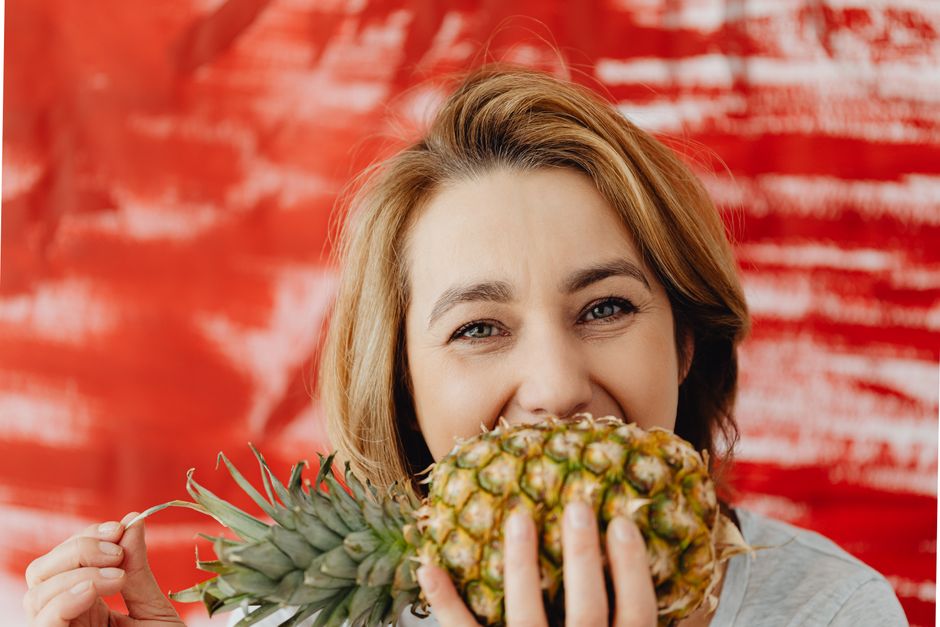
Pineapple is a tropical fruit that delivers vitamin C, manganese, and bromelain — a group of enzymes that breaks down protein and has been studied for its effects on digestion and inflammation. It is also a source of dietary fiber and several B vitamins, while being naturally low in fat and sodium. These nutrients, rather than any single “miracle” compound, are the main reasons pineapple earns a place in a balanced diet.
Why Pineapple Is Good: The Core Nutritional Reasons
Pineapple’s reputation rests on a handful of nutrients that are genuinely present in meaningful amounts. One cup of fresh pineapple chunks provides more than the daily vitamin C requirement for most adults, along with a notable dose of manganese. Vitamin C supports immune function and helps the body build collagen, a protein that holds skin, joints, and blood vessels together.
Manganese is less talked about but matters for bone formation and for enzymes that manage blood sugar and protect cells from oxidative stress. Pineapple also supplies vitamin B6, thiamin, folate, and small amounts of magnesium and potassium. The fruit is roughly 86 percent water, which contributes to hydration.
What pineapple does not provide in large amounts is fat, cholesterol, or sodium. That combination — nutrient-dense but low in the things most people overeat — is the straightforward reason it fits well into most diets.
What Is Bromelain and Why Does It Matter?
Bromelain is the name for a family of protein-digesting enzymes found in pineapple, concentrated mostly in the stem and core rather than the sweet flesh. These enzymes break down proteins into smaller pieces called peptides and amino acids. That is a normal part of digestion, and it is why fresh pineapple can make your mouth or tongue feel mildly sore or tingly if you eat a lot of it — the enzymes are working on the surface proteins of your mouth.
Bromelain has been studied for several purposes beyond digestion, including inflammation, swelling after surgery, and sinus conditions. Some clinical research suggests bromelain may reduce swelling and inflammation in certain settings, and it has been used in some countries as a supplement alongside standard care. But the evidence is not uniform, and much of the research uses concentrated bromelain supplements, not the amount found in a serving of fruit.
That distinction matters. Eating pineapple is not the same as taking a bromelain supplement. The amount of the enzyme in a typical serving of fresh fruit is far lower than what is used in clinical studies, and cooking or canning degrades much of it. If you see claims that pineapple “cures” inflammation or replaces medication, those claims are not supported.
Does Pineapple Help With Digestion?
Pineapple contains both bromelain and dietary fiber, and both play a role in digestion — but in different ways. Fiber adds bulk to stool and feeds beneficial gut bacteria. Bromelain, in theory, helps break down protein. The two together give pineapple a reasonable case as a digestion-friendly fruit.
That said, the practical effect of eating pineapple for digestion is modest. Your stomach already produces strong acid and enzymes (like pepsin) that handle protein breakdown efficiently. Adding a bit of plant enzyme on top does not transform the process. Some people report that pineapple helps with bloating or heaviness after a protein-rich meal, but that is largely anecdotal.
One genuine caution: because bromelain breaks down protein, eating large amounts of fresh pineapple can irritate the mouth, lips, or tongue. This is usually mild and temporary. People with acid reflux or sensitive stomachs sometimes find pineapple, like other acidic fruits, makes symptoms worse. If that happens, it is worth noting rather than pushing through.
Pineapple and Inflammation: What the Evidence Shows
Chronic inflammation is linked to heart disease, diabetes, and some cancers, so anything that might reduce it gets attention. Pineapple’s bromelain is the main reason it appears in that conversation. Some studies suggest bromelain has anti-inflammatory properties, and it has been researched as a supplement for conditions like osteoarthritis, post-surgical swelling, and sinusitis.
Here is the honest position: the evidence for bromelain as a supplement is mixed. Some trials show benefit; others do not. And crucially, almost none of that research involves eating pineapple as a food. It involves concentrated extracts at doses far above what food provides. There is no strong evidence that eating pineapple meaningfully reduces inflammation in the body.
Vitamin C, which pineapple does provide, is an antioxidant. Antioxidants help protect cells from damage caused by unstable molecules called free radicals. But antioxidant effects from food are complex, and taking high-dose antioxidant supplements has not consistently improved health outcomes in large trials. Food sources are generally the safer bet, and pineapple is one of them.
How Pineapple Fits Into a Healthy Diet
Pineapple works as a snack, a dessert, or an ingredient in savory dishes. It pairs well with yogurt, cottage cheese, and lean proteins, and it can add sweetness to salads or stir-fries without added sugar. Because it is naturally sweet, it can help satisfy a sugar craving with more nutrients than candy or soda.
A few practical points:
- Fresh pineapple retains more bromelain than canned, because heat during canning deactivates the enzyme.
- The core is tougher but contains more bromelain than the flesh. It can be juiced or blended.
- Pineapple juice is lower in fiber than whole fruit and higher in sugar per serving, so whole fruit is generally the better choice.
- Dried pineapple often has added sugar and is much more calorie-dense than fresh.
For most adults, a serving of pineapple is about one cup of chunks. That fits comfortably into a diet that includes a variety of fruits. No single fruit covers all your nutritional needs, and pineapple is no exception — it is one good option among many.
Who Should Be Careful With Pineapple?
Pineapple is safe for most people, but a few groups should take note. People with a pineapple or latex allergy should avoid it. This is because pineapple contains bromelain, and some proteins in pineapple cross-react with latex allergens — a pattern known as latex-fruit syndrome. Symptoms can range from itching and hives to, rarely, more serious reactions.
People taking blood-thinning medications such as warfarin should be aware that bromelain may affect blood clotting in theory. The evidence is not strong enough to say eating normal amounts of pineapple is dangerous, but anyone on blood thinners should mention significant dietary changes to their doctor.
Because bromelain can increase the absorption of certain antibiotics, some clinicians advise spacing pineapple or bromelain supplements away from those medications. This is a clinical practice consideration rather than a firmly established rule, so it is worth asking a pharmacist if you take antibiotics regularly.
People with acid reflux, GERD, or a sensitive stomach may find pineapple worsens symptoms. That is individual, not universal, but worth tracking if you notice a pattern.
Does Pineapple Burn Fat or Aid Weight Loss?
No. Pineapple does not burn fat, and no food does. The claim likely comes from bromelain’s protein-digesting activity, which has nothing to do with fat metabolism. Weight loss depends on overall calorie balance and long-term eating patterns, not on any single fruit.
That said, pineapple can support weight management indirectly. It is low in calories for its volume, high in water, and provides fiber, all of which can help you feel satisfied. Replacing a high-calorie dessert with fresh pineapple is a reasonable swap. But pineapple itself is not a fat-burning food, and products marketed that way are not backed by evidence.
Is Canned or Juiced Pineapple as Good as Fresh?
Fresh pineapple is generally the best choice, mainly because canning heat deactivates bromelain and juice loses fiber. Canned pineapple in its own juice retains most vitamins but is lower in bromelain. Canned pineapple in heavy syrup adds significant sugar.
Frozen pineapple is a good middle ground. It is usually frozen soon after harvest and retains most nutrients, though bromelain activity may decline over time. If fresh is not available or affordable, frozen without added sugar is a solid option.
The bottom line is that any form of pineapple beats no fruit at all. If you enjoy it and it fits your budget and routine, the form matters less than eating it regularly alongside other fruits and vegetables.
Frequently Asked Questions
Is pineapple good for you every day?
Yes, for most people, a serving of pineapple daily fits into a healthy diet. One cup of chunks provides vitamin C and manganese without excessive calories.
What does bromelain in pineapple actually do?
Bromelain is a group of enzymes that breaks down protein and has been studied for inflammation and swelling. The amount in fresh fruit is much lower than in the concentrated supplements used in most research.
Can pineapple help you lose weight?
No, pineapple does not burn fat or cause weight loss on its own. It can help you feel full because it is high in water and fiber, which may support overall calorie control.
Who should avoid pineapple?
People with a pineapple or latex allergy should avoid it, and those on blood thinners should check with a doctor. People with acid reflux may find it worsens symptoms.
