
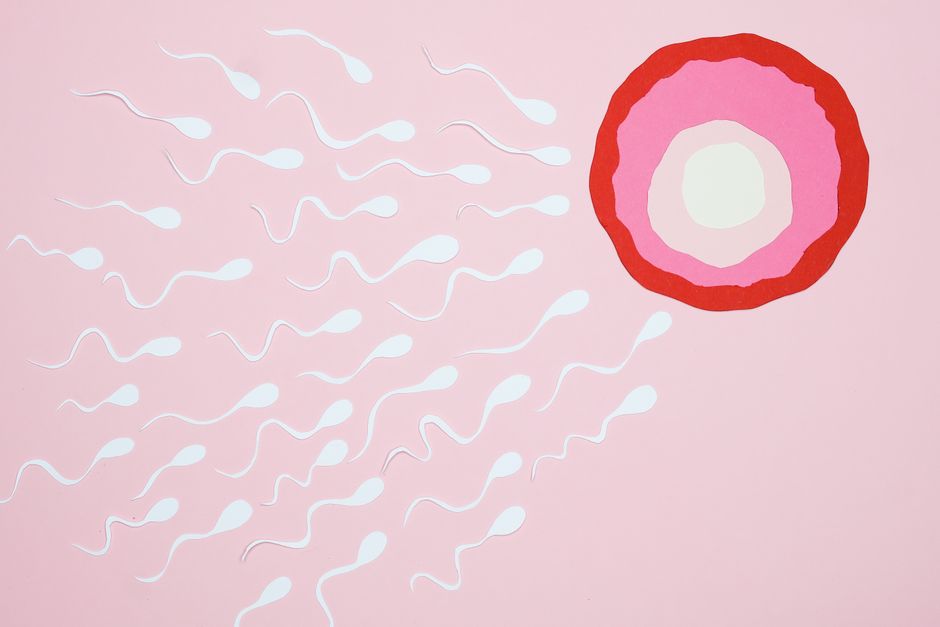
Brown discharge around ovulation usually means a small amount of older blood is mixing with cervical mucus. Blood turns from red to brown as it ages, so even a few drops can tint discharge for a day or two. Most of the time this is harmless. It can come from the normal hormonal shift that happens mid-cycle, or from something as ordinary as recent intercourse or a pelvic exam.
What matters is the pattern. A brief streak of brown mucus near the middle of your cycle, without pain or a bad smell, is common and generally not a concern. Brown discharge that keeps coming back, lasts for days, or shows up with pain, fever, or unusual odor is a different situation and deserves a medical look.
Why does ovulation discharge turn brown?
Blood is the reason. A small amount of bleeding mixed into cervical mucus produces a brown or pinkish tint, and the color tells you the blood is a little older rather than fresh.
Fresh blood is bright red. As red blood cells break down, the iron inside them changes and the color shifts toward brown. This is the same reason a period often starts light pink and ends dark brown. By the time that blood reaches your underwear, it has been sitting in the vagina or cervix for a while and has oxidized.
Around ovulation, cervical mucus becomes clear, stretchy, and slippery, a texture often compared to raw egg white. Because there is more mucus at this point in the cycle, a tiny amount of blood that might otherwise go unnoticed becomes visible. The mucus carries it out and the color shows up.
The bleeding itself is usually minimal. Many people notice only a streak or a spot on toilet paper. That small volume is why the discharge looks brown rather than red.
What causes brown discharge around ovulation?
The most common cause is a normal dip and rise in hormones right before the egg is released. Estrogen climbs through the first half of the cycle and then briefly drops just before ovulation. That short drop can destabilize the lining of the uterus just enough to release a few drops of blood.
This is sometimes called ovulation bleeding. It is not dangerous, and it does not mean anything is wrong with your fertility. Not everyone gets it, and the same person may notice it in some cycles and not others.
Other everyday causes include:
- Intercourse. Friction can cause tiny tears in the cervix or vaginal wall, and the resulting blood may show up a day later as brown discharge.
- Pelvic exams or a Pap test. These can cause light spotting for a short time afterward.
- Hormonal birth control. Starting, stopping, or switching methods can cause breakthrough bleeding at any point in the cycle.
- Implantation. If pregnancy occurs, a small amount of bleeding can happen when the fertilized egg attaches to the uterine lining. This is not tied to ovulation timing in the way many people assume.
One point worth clarifying: ovulation bleeding and implantation bleeding are often confused because both can appear as light spotting. But implantation happens roughly a week or more after ovulation, not on the day of it. If you are tracking your cycle and the spotting lands right at ovulation, implantation is unlikely to be the explanation.
How do you tell normal ovulation spotting from something else?
Timing and pattern are the two things that separate ordinary spotting from a sign worth checking. Normal mid-cycle spotting is brief, light, and predictable.
Features that fit a harmless pattern:
- It lasts a day or two, rarely more.
- The amount is small, often just a streak or a spot.
- It lines up with other signs of ovulation, like stretchy mucus or a mild twinge on one side of the pelvis.
- There is no pain beyond a mild cramp, no fever, and no strong odor.
Features that call for a medical visit:
- Bleeding that soaks through a pad or tampon.
- Spotting that happens at many points in the cycle, not just mid-cycle.
- Discharge with a foul smell, itching, or burning.
- Pelvic pain that is severe or getting worse.
- Bleeding after sex that happens repeatedly.
- Any bleeding after menopause.
Discharge with a strong fishy odor, or a gray or green color, is not explained by ovulation. That pattern points toward an infection and needs testing rather than watching and waiting.



When should brown discharge be checked by a doctor?
Bleeding after menopause is the clearest red flag. Any vaginal bleeding after menopause should be evaluated by a clinician, full stop. It is not something to track at home.
For people still menstruating, the reasons to seek care are less about a single episode and more about what keeps happening. Repeated bleeding between periods, bleeding after sex, or a change in your normal cycle pattern that persists for several cycles all warrant a conversation with a doctor.
Several conditions can cause abnormal bleeding and are worth ruling out when the pattern does not fit normal ovulation spotting. These include cervical or uterine polyps, fibroids, infection, thyroid problems, and changes in the uterine lining. Most of these are treatable, and many are common.
Some clinicians recommend evaluation for any bleeding that happens between periods more than once. Others take a watchful approach for a single light episode in an otherwise regular cycle. The evidence does not point to one universal rule here, so the practical move is to describe the pattern to your clinician and let them decide whether testing is needed.
What does normal ovulation discharge look like?
Normal ovulation discharge is clear, wet, and stretchy. It often looks like raw egg white and can stretch between your fingers without breaking.
This texture has a purpose. The mucus becomes thinner and more alkaline near ovulation, which helps sperm survive and move through the cervix. The change is driven by rising estrogen.
Outside the ovulation window, discharge looks different. After a period it tends to be scant and sticky. After ovulation, under the influence of progesterone, it becomes thicker, cloudier, and less stretchy. Some people describe it as creamy or lotion-like.
A small amount of brown mixed into otherwise normal stretchy mucus is the classic picture of ovulation spotting. What is not normal is discharge that is consistently gray, green, frothy, or foul-smelling, or that comes with itching or pain. Those features point away from ovulation and toward infection.
Does brown ovulation discharge affect fertility?
Light ovulation spotting does not affect fertility. It is a sign that the hormonal shift of ovulation is happening, not a sign that something is blocking pregnancy.
That said, the spotting itself is not a reliable fertility signal. Some people use it as a clue, but it is not consistent enough to time intercourse around. Better markers include cervical mucus changes, basal body temperature shifts, and ovulation predictor kits, each with its own limits.
If you are trying to conceive and notice brown discharge at mid-cycle repeatedly, it is reasonable to mention it to your clinician. It is usually nothing, but it is the kind of detail worth having on the record, especially if you have other cycle concerns.
What does matter for fertility is the broader pattern. Very short cycles, very long cycles, cycles without clear ovulation signs, or bleeding that disrupts the cycle are more meaningful than a single streak of brown mucus.
What about brown discharge after ovulation?
Brown discharge in the days after ovulation is usually a different situation from ovulation spotting. It often reflects the normal hormonal shift as progesterone rises, or it can be the tail end of the mid-cycle bleed working its way out.
If brown discharge appears in the week before your period is due and happens cycle after cycle, it can sometimes be linked to a short luteal phase, which is the time between ovulation and menstruation. Some clinicians consider a consistently short luteal phase worth evaluating. The evidence on how much this affects fertility is mixed, so it is a conversation to have with a clinician rather than a conclusion to draw on your own.
Brown discharge right before a period starts is very common and is simply older blood from the previous cycle leaving the body as the lining begins to shed.
Frequently Asked Questions
Is brown discharge during ovulation normal?
Yes, a small amount of brown discharge around ovulation is common and usually harmless. It typically comes from a brief hormone shift that releases a few drops of blood, which mix with cervical mucus and appear brown.
How long does ovulation spotting last?
Most ovulation spotting lasts a day or two. Spotting that continues for several days, or that returns at multiple points in your cycle, should be discussed with a doctor.
Does brown discharge mean I am ovulating?
Not reliably. Some people notice brown discharge near ovulation, but it is not a dependable sign of ovulation and should not be used alone to time pregnancy attempts.
When should I worry about brown discharge?
Seek medical care for heavy bleeding, spotting that happens repeatedly between periods, discharge with a foul odor or pain, or any bleeding after menopause. A single light episode near ovulation without other symptoms is generally not a concern.
