
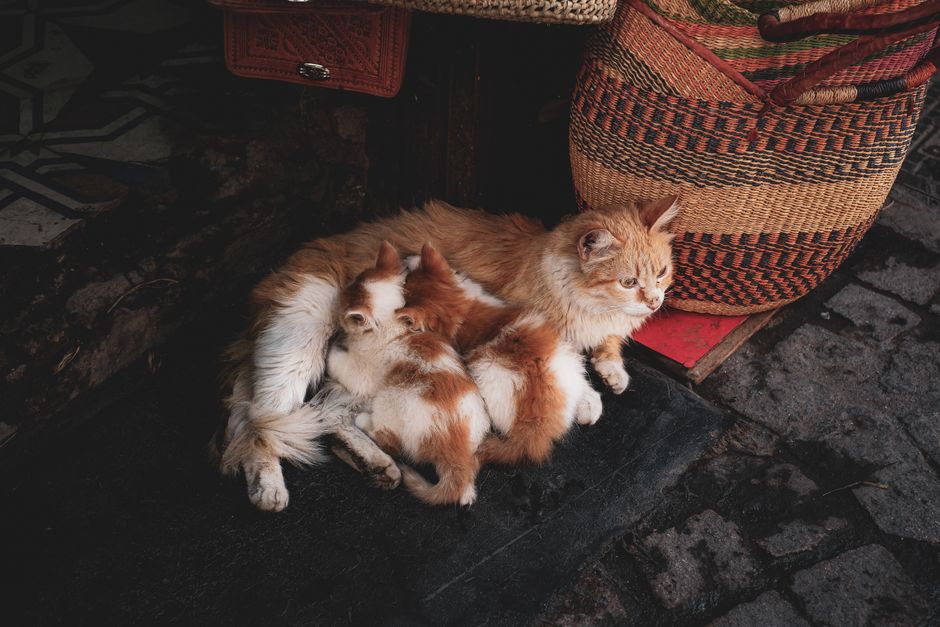
Kittens nurse on each other because suckling is a comfort behavior wired into them from birth, not just a way to eat. When a kitten suckles a littermate’s ear, tail, belly, or genitals, it is usually seeking warmth, security, or the same oral satisfaction it got from nursing on its mother. The behavior is common in hand-raised kittens and in kittens weaned too early. It can also be a sign of hunger, stress, or a compulsive habit that needs redirection. Stopping it means addressing the cause, not just pulling the kitten away.
Why Do Kittens Suckle On Each Other?
Suckling is one of the earliest survival reflexes in mammals. A newborn kitten finds the nipple by smell and touch, latches on, and gets both food and a powerful sense of safety. That link between mouth contact and feeling secure does not disappear the moment a kitten stops nursing.
When a kitten suckles a sibling, it is often recreating that feeling. The behavior shows up most in kittens separated from their mother before they were ready, or in kittens raised by hand. In those cases, the kitten never got the full nursing experience, so it looks for a substitute.
There is also a social dimension. Kittens that suckle each other tend to do it during rest periods, often while kneading. Kneading is the same paw motion kittens use to stimulate milk flow from the mother. When you see a kitten kneading and suckling a littermate, you are watching a comfort sequence that got redirected.
Some kittens suckle because they are still hungry. If food is limited or meals are spaced too far apart, suckling becomes a way to cope. Others do it out of boredom or because the behavior simply became a habit during a developmental window when the brain was primed to repeat it.
Is It Normal Or A Problem?
Occasional suckling between littermates is normal and usually harmless. Many kittens do it for a few weeks and stop on their own as they mature and their social play takes over.
The behavior becomes a problem when it causes physical harm or does not fade. Watch for these signs:
- Hair loss, redness, or sores on the kitten being suckled
- Swelling or irritation of the suckling kitten’s mouth or lips
- Suckling that continues past the typical weaning age and into the juvenile period
- Suckling directed at objects, blankets, or people instead of littermates
- A kitten that seems distressed or cannot settle without suckling
The most common physical issue is skin damage on the recipient. A kitten’s fur can thin or develop raw patches from constant moisture and friction. If the suckling is directed at the genitals or belly, the risk of irritation and infection goes up.
There is also a social cost. A kitten that is constantly suckled may become withdrawn or avoid its littermate. That can affect how the pair plays and bonds.
Why Do Hand-Raised Kittens Do This More?
Kittens raised without a mother are the group most likely to suckle each other. This is not a coincidence. The mother cat does more than feed. She regulates warmth, cleans the kittens, and provides the physical contact that helps a kitten’s nervous system settle.
When a kitten is hand-raised, a human provides food but usually not the same continuous body contact. The kitten may not get enough suckling time, or it may be weaned on a schedule that does not match its readiness. The result is a kitten that still has the drive to suckle but no mother to direct it toward.
Hand-raised kittens also tend to be weaned earlier than mother-raised kittens. Early weaning is one of the strongest predictors of cross-suckling and of later wool-sucking or fabric-sucking behavior in cats. The kitten’s oral drive does not shut off just because solid food is available.
If you are raising a kitten by hand, this is worth knowing. The behavior is not a sign that you did something wrong. It is a predictable response to a developmental gap.





How Do You Stop A Kitten From Nursing On Its Littermate?
Stopping the behavior starts with separating the suckling from the trigger, not punishing the kitten. Punishment does not work here and can make anxiety worse, which tends to increase the behavior.
Try these steps in order:
- Separate at rest times. If the suckling happens when the kittens settle down, give them separate sleeping spots for a few weeks. They can still play together.
- Increase meal frequency. Smaller, more frequent meals can reduce hunger-driven suckling. Make sure each kitten is getting enough calories for its age and size.
- Offer a safe alternative. Some kittens redirect to a soft toy or a designated suckling object. This does not work for every kitten, but it can reduce damage to littermates.
- Add enrichment. Play sessions, climbing surfaces, and puzzle feeders give the kitten something to do with its mouth and energy.
- Cover the target area. If one kitten is being suckled raw, a lightweight pet shirt or soft bandage can protect the skin while you work on the behavior.
If the kitten is suckling itself, the same logic applies. Redirect, enrich, and reduce stress. Do not use bitter sprays or aversive products without talking to a veterinarian first, since some are not safe for kittens.
For persistent cases, a veterinarian or veterinary behaviorist can help. In some kittens, the behavior is linked to anxiety, and treatment may include environmental changes or, in select cases, medication. That decision belongs with a veterinarian, not a pet store product.
When Should You Talk To A Veterinarian?
Call a veterinarian if the suckling is causing skin damage, if a kitten is losing weight or not eating well, or if the behavior is intense and constant. A veterinarian can check for underlying problems like parasites, dental pain, or GI issues that might drive oral behavior.
Also seek help if the suckling continues well past the typical weaning period. Most kittens stop cross-suckling by the time they are a few months old. A kitten that is still doing it at six months or older may have a compulsive component that needs a behavior plan.
If you notice swelling, discharge, or a foul smell at a suckling site, that suggests infection and needs prompt care.
Does Suckling On Each Other Cause Long-Term Harm?
For most kittens, no. The behavior fades as they mature, especially if you address hunger, stress, and early-weaning gaps. The recipient’s fur usually grows back once the suckling stops.
The main long-term risk is behavioral. Kittens that suckle fabric, wool, or their own bodies sometimes carry that habit into adulthood. This is more common in certain breeds, including Siamese and other Oriental breeds, though it can happen in any cat.
Early intervention matters. A kitten that learns other ways to self-soothe is less likely to develop a lifelong oral habit. That is why redirection and enrichment are worth doing even if the behavior seems mild.
One clarification worth making: cross-suckling is not the same as nursing for nutrition. By the time kittens are eating solid food, the suckling is almost always behavioral. That distinction matters because it tells you the fix is environmental and behavioral, not just about food.
Frequently Asked Questions
Why do kittens nurse on each other’s ears and tails?
Kittens often target ears, tails, and other soft appendages because those areas are easy to reach and feel similar to a nipple. The behavior is usually comfort-seeking, not hunger, especially in hand-raised or early-weaned kittens.
Is it bad if kittens suckle on each other?
Occasional suckling is normal and usually harmless. It becomes a problem when it causes skin damage, weight loss, or continues past the typical weaning period.
How do I stop my kitten from suckling its sibling?
Separate them at rest times, feed smaller meals more often, and add play and enrichment to redirect the behavior. If skin damage or persistent suckling occurs, talk to a veterinarian.
Do kittens grow out of suckling each other?
Most kittens stop cross-suckling within a few months as they mature and their social play increases. Kittens that continue past six months may need a behavior plan.
