
Your urine gets its yellow color from a pigment called urobilin. This pigment forms when your body breaks down old red blood cells. The shade of yellow can range from pale straw to deep amber depending on how hydrated you are and what you have eaten or taken recently.
What makes urine yellow in the first place?
The process starts with red blood cells. Your body constantly makes new red blood cells and gets rid of old ones. When old red blood cells break down, they release hemoglobin. Your liver processes that hemoglobin into a compound called bilirubin.
Bilirubin then moves to your intestines where bacteria help turn it into urobilinogen. Most of that urobilinogen leaves your body in stool. That is what gives stool its brown color. But some urobilinogen gets reabsorbed into your blood and travels to your kidneys. Your kidneys convert it into urobilin, which is the yellow pigment that ends up in urine.
This is a normal healthy process. The yellow color is not a sign of anything wrong. It is actually a sign that your body is properly recycling old blood cells.
Why Is Your Urine Yellow In Colour? Reasons it changes shade
The most common reason your urine looks darker or lighter is hydration. When you drink plenty of water, your kidneys dilute the urobilin. Your urine looks pale yellow or almost clear. When you are dehydrated, your kidneys hold onto water. The urobilin becomes more concentrated and your urine turns dark amber.
Morning urine is usually darker. That is normal. You have not been drinking water overnight. Your kidneys have been concentrating urine all night.
Beyond hydration, several other things affect urine color. Certain foods can turn urine bright yellow or even orange. Vitamin B2 (riboflavin) and vitamin C supplements are common causes of neon yellow urine. This is harmless. Your kidneys filter out the excess vitamins and the color goes away once you stop taking them.
Beets can turn urine pink or red. Carrots and carrot juice can make it orange. Asparagus can give it a greenish tint and a strong smell. None of these are dangerous.
When should yellow urine worry you?
Most changes in urine color are harmless and temporary. But some changes can signal a health problem that needs attention.
Dark brown or cola-colored urine can be a sign of severe dehydration. It can also mean you have liver problems or muscle breakdown from extreme exercise. If your urine stays dark brown even after drinking water, see a doctor.
Red or pink urine that is not from food or supplements could mean blood in your urine. This can come from a urinary tract infection, kidney stones, or more serious conditions. Do not ignore it.
Cloudy urine often means an infection. If it burns when you pee or you feel the urge to go frequently, that points to a UTI.
Blue or green urine is rare. It is usually from medications or food dyes. But some bacterial infections can cause it too.
Orange urine can come from liver or bile duct problems, especially if your stool is pale at the same time. It can also come from certain medications.
The key is to notice patterns. A single dark pee after a long run is not a concern. Persistent changes that do not match what you ate or drank deserve a call to your doctor.





Can medications and supplements change urine color?
Yes, many medications affect urine color. This is usually listed on the label as a harmless side effect. But you should know which changes are normal and which are not.
Common medications that turn urine orange include phenazopyridine (a UTI pain reliever), rifampin (an antibiotic), and some laxatives. Red or pink urine can come from senna-based laxatives and certain antipsychotic drugs. Blue or green urine can come from amitriptyline (an antidepressant), indomethacin (a pain reliever), and propofol (an anesthetic).
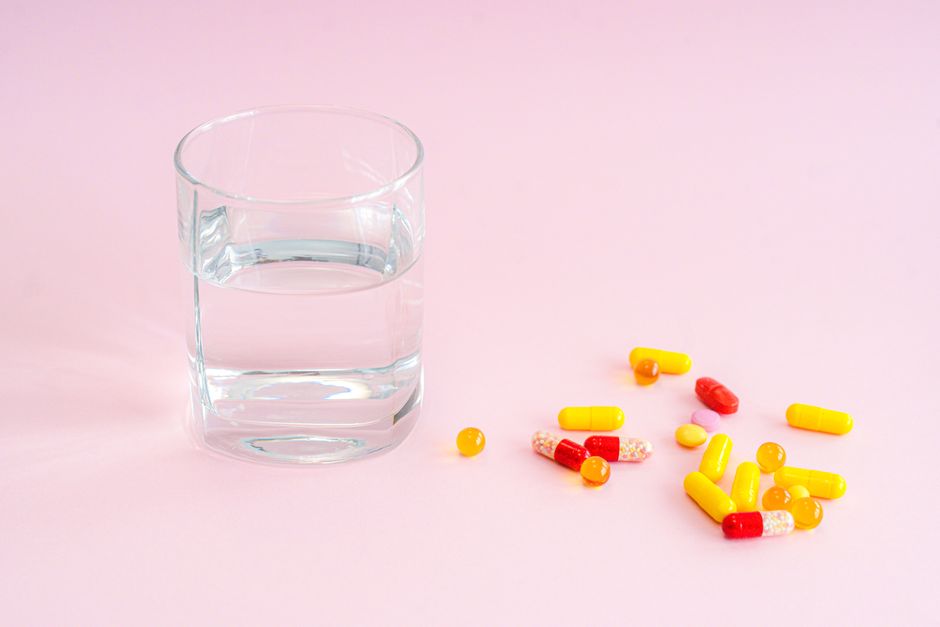
Supplements are a major cause of bright yellow urine. B-complex vitamins, especially B2 and B12, are water-soluble. Your body takes what it needs and flushes the rest through your kidneys. That excess vitamin is what makes your urine look like highlighter fluid.
Vitamin C in high doses can also change urine color. It is not dangerous, but it can be surprising if you were not expecting it.
If you start a new medication and notice your urine color change, check the package insert. If the color change is not listed, or if you have other symptoms, contact your pharmacist or doctor.
Does urine color tell you about your health?
Urine color is a useful clue but not a diagnosis. A single reading is rarely meaningful. Trends over time matter more.
Pale yellow urine generally means you are well-hydrated. Dark yellow suggests you need more water. Very dark brown can mean serious dehydration or a liver issue. Red can mean blood. Cloudy can mean infection.
But there is a lot of overlap. A concentrated urine sample from a healthy person can look dark. A person with a serious illness can have pale urine. Color alone is not reliable enough to rule anything in or out.
Doctors use urine color as one piece of information alongside other tests. A urinalysis checks for blood, protein, glucose, infection, and other markers. That is far more accurate than looking at color.
If you are worried about a specific health condition, do not rely on urine color as your only guide. Get tested.
What about clear urine?
Clear or colorless urine usually means you are overhydrated. You are drinking more water than your body needs. This is not dangerous for most people, but it can flush out electrolytes if you do it constantly. Endurance athletes sometimes develop low sodium levels from drinking too much water without replacing salt.
Clear urine can also come from diuretics, which are medications that make your kidneys produce more urine. Coffee and alcohol are mild diuretics. That is why you pee more after drinking them.
In rare cases, clear urine can be a sign of diabetes or kidney problems. If you are urinating large amounts frequently and you are thirsty all the time, get your blood sugar checked.
How much water should you drink for normal urine color?
There is no single number that works for everyone. Your water needs depend on your body size, activity level, climate, and diet. A general guideline is to drink enough so your urine is pale yellow most of the day.
If your urine is dark yellow or amber, you likely need more water. If it is completely clear, you might be drinking more than necessary.
Thirst is not a reliable early signal. By the time you feel thirsty, you are already mildly dehydrated. Checking your urine color is a better way to gauge hydration throughout the day.
One note: Some people drink excessive water to keep their urine clear, thinking it is healthier. That is not necessary. Pale yellow is the target. Clear is not better.
Frequently Asked Questions
Why is my urine bright yellow even though I drink a lot of water?
Bright yellow urine despite good hydration is usually from B vitamins or supplements. Your kidneys flush out excess water-soluble vitamins, which creates that neon yellow color.
Can dehydration cause dark yellow urine?
Yes, dehydration is the most common cause of dark yellow or amber urine. Your kidneys concentrate the urine to save water, which makes the urobilin pigment more visible.
Is dark yellow urine in the morning normal?
Yes, morning urine is normally darker because you have not had water for several hours overnight. This is not a concern if it returns to pale yellow after you drink water.
What does orange urine mean?
Orange urine can come from medications, foods like carrots, or dehydration. If it happens with pale stool or yellow skin, it can signal a liver problem and should be checked by a doctor.
