
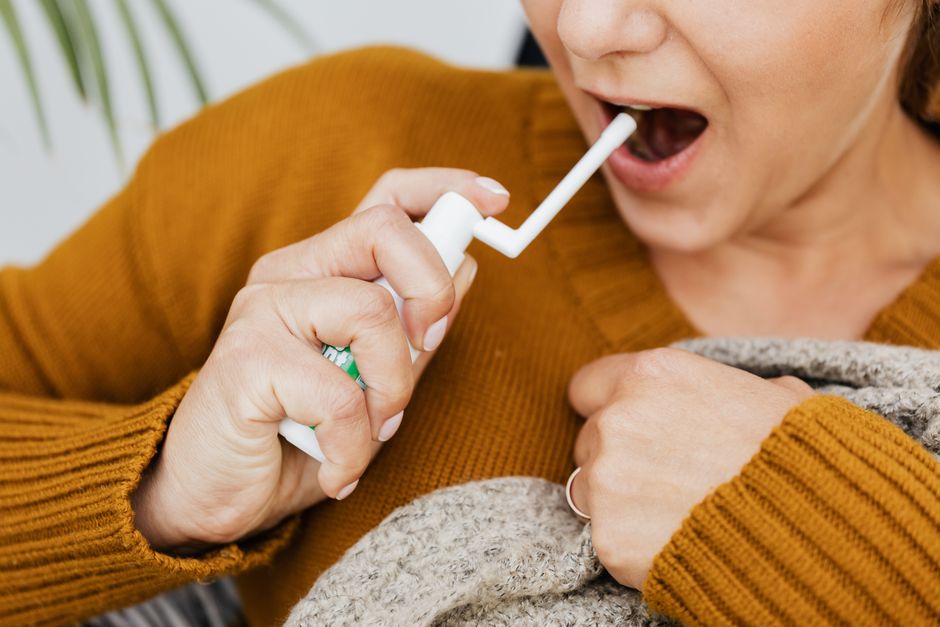
A sore throat that hurts most when you swallow is one of the most common reasons people see a doctor or reach for lozenges. The pain usually comes from inflammation in the pharynx or tonsils, and swallowing makes it worse because the muscles of the throat squeeze past swollen, irritated tissue. That sharp sting with each gulp is not imagined — it is real tissue reacting to real irritation.
Why Is Your Throat Sore When I Swallow?
The throat is lined with mucous membranes packed with nerve endings. When those tissues become inflamed, they swell and become more sensitive. Swallowing triggers a wave of muscle contractions that pull the inflamed surfaces against each other, which is why the pain spikes at the moment of the swallow rather than staying constant.
Two things usually drive that inflammation. The first is infection — most often a virus, sometimes bacteria. The second is irritation without infection, such as dryness, acid reflux, smoke, or allergies. The location of the pain can hint at the cause. Pain high in the throat near the tonsils tends to point toward infection. Pain lower down, near the voice box, is more often linked to reflux or irritation.
What Causes a Sore Throat When Swallowing?
Viral infections cause the large majority of sore throats. The common cold, influenza, COVID-19, and other respiratory viruses all inflame the throat lining. These typically come with other symptoms like a runny nose, cough, or fever, and they improve on their own within about a week.
Bacterial infections are less common but more serious when they occur. Strep throat, caused by group A Streptococcus bacteria, produces a sudden severe sore throat, fever, and swollen tonsils, often without a cough. A doctor can confirm it with a rapid test or throat culture. This distinction matters because bacterial infections may need antibiotics while viral ones do not.
Other causes include:
- Acid reflux — stomach acid washing up into the throat, especially at night, can cause a burning soreness that is worst in the morning.
- Postnasal drip — mucus draining down the back of the throat from a cold or allergies irritates the lining.
- Dry air — breathing dry air, particularly while sleeping with your mouth open, dries and irritates the throat.
- Smoke and chemicals — tobacco smoke, vaping, and strong fumes directly irritate the mucous membranes.
- Allergies — pollen, dust, and pet dander trigger inflammation and drainage.
- Vocal strain — yelling or prolonged speaking can strain the throat muscles and tissues.
In rare cases, a sore throat that is severe, one-sided, or worsening quickly can signal a deeper infection such as an abscess. These need urgent medical attention.
How Do I Know If It Is Strep Throat or Something Else?
Strep throat has a fairly recognizable pattern, but it overlaps with viral infections enough that testing is the only reliable way to tell them apart. A doctor cannot always distinguish them by looking alone.
Features that lean toward strep include a sudden onset, fever, swollen and red tonsils sometimes with white patches, and swollen lymph nodes in the neck. A cough, runny nose, and hoarseness lean more toward a viral cause. Strep is also much more common in children and teenagers than in adults.
If you suspect strep, see a doctor for a test. Treating confirmed strep with antibiotics reduces the risk of complications, though many people recover without treatment. Untreated strep carries a small risk of rheumatic fever, which is why testing and treatment are recommended when strep is confirmed.





What Helps a Sore Throat Feel Better?
Most sore throats from viral infections improve within a week without specific treatment. The goal of home care is to ease pain and keep the throat moist while your body clears the infection.
Things that commonly help:
- Drinking warm fluids like tea with honey or broth
- Gargling with warm salt water
- Using throat lozenges or hard candy to stimulate saliva
- Running a cool-mist humidifier, especially at night
- Resting your voice
- Taking over-the-counter pain relievers such as acetaminophen or ibuprofen as directed on the label
Honey is a well-established cough and throat soother for adults and children over age one. It should never be given to infants under 12 months because of the risk of infant botulism. For young children, check with a doctor before using any medication, and never give aspirin to children or teenagers recovering from a viral illness because of the risk of Reye’s syndrome.
Antibiotics only help bacterial infections. Taking them for a viral sore throat does nothing for the infection and can cause side effects and contribute to antibiotic resistance.
When Should I See a Doctor for a Sore Throat?
Most sore throats are not emergencies. Certain signs, however, mean you should get medical care promptly.
See a doctor if you have:
- A sore throat lasting longer than a week
- Difficulty swallowing saliva or breathing
- Drooling or being unable to swallow liquids
- A fever above 101°F (38.3°C) that does not improve
- Severe pain on one side of the throat
- A muffled or “hot potato” voice
- A neck that is swollen or hard to move
- Blood in your saliva
- A weakened immune system or a chronic condition
Difficulty breathing, drooling, or being unable to swallow are warning signs that need emergency care. They can point to a blocked airway or a deep neck infection, which are serious.
Can Acid Reflux Cause a Sore Throat When Swallowing?
Yes. Reflux is a common but often overlooked cause of throat pain, especially when the soreness is worse in the morning or comes with a bitter taste, a feeling of a lump in the throat, or a chronic cough. This pattern is sometimes called laryngopharyngeal reflux.
The mechanism is straightforward. The valve between the stomach and esophagus is meant to keep acid down. When it relaxes at the wrong time — often at night when lying flat — stomach contents reach the throat. The throat lining is far more delicate than the stomach lining, so even small amounts of acid cause irritation over time.
Unlike typical heartburn, reflux-related throat pain may not come with a burning chest sensation. Some people have throat symptoms without ever noticing heartburn. If reflux is suspected, a doctor may recommend diet changes, elevating the head of the bed, or medication. Persistent symptoms should be evaluated rather than self-treated long term.
Does a Sore Throat Always Mean I Am Sick?
No. A sore throat is a symptom, not a disease. It can come from many sources that have nothing to do with infection.
Dry indoor air, mouth breathing during sleep, smoking, alcohol, and even breathing through your mouth during a long flight can dry and irritate the throat. Seasonal allergies cause postnasal drip that irritates the throat without any infection. Vocal strain from a concert, a long meeting, or yelling at a game can leave the throat raw for a day or two.
Environmental irritants are easy to overlook. If your sore throat appears mostly in the morning and fades during the day, dryness or reflux are reasonable suspects. If it comes with a fever and swollen glands, infection is more likely.
Frequently Asked Questions
Why does it hurt more when I swallow?
Swallowing pulls inflamed, swollen throat tissues against each other, which triggers pain signals from sensitive nerve endings. The pain spikes during the swallow because that is when the irritated surfaces are squeezed and stretched.
How long does a sore throat usually last?
Most viral sore throats improve within about a week without specific treatment. A sore throat lasting longer than a week, or one that keeps getting worse, should be checked by a doctor.
Does a sore throat always mean strep?
No. Viral infections cause the large majority of sore throats, and strep is far less common. A rapid test or throat culture is the only reliable way to know whether strep is the cause.
When is a sore throat an emergency?
Difficulty breathing, drooling, or being unable to swallow saliva or liquids are emergency signs and need immediate care. These can point to an airway problem or a deep infection in the neck.
