
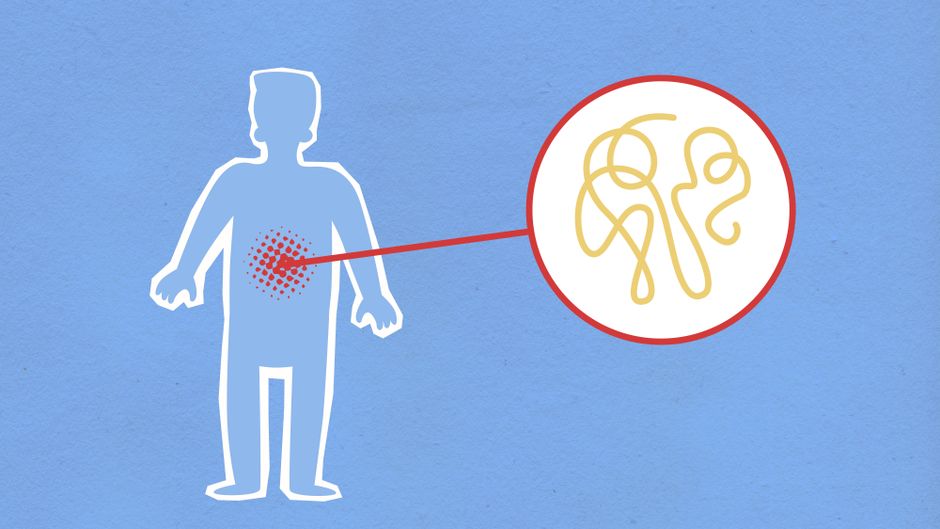
That gurgling sound in your belly has a name: borborygmi. It is the noise made by gas and fluid moving through your intestines. Everyone has it. Most of the time it means digestion is working normally, not that something is wrong. You usually only notice it when your gut is quiet and the sound has nowhere to hide.
The noise gets louder and more frequent for a few common reasons. Hunger is the big one. Swallowed air, gas from food, and the speed of your digestion all play a part. Occasionally it points to something worth checking. Here is how to tell the difference.
Why Is Your Stomach Gurgling So Much?
Your digestive tract is a long muscular tube that squeezes in waves to push food along. Doctors call this movement peristalsis. When gas and liquid get pushed through a narrow space at the same time, they make sound. Think of a half-empty water bottle being squeezed.
More movement, more gas, or more liquid means more noise. That is the whole mechanism. The gurgling is not a sign your stomach is “talking” or that your body is detoxing. It is simple physics inside a muscular tube.
One thing people often get wrong: the loudest gurgling usually comes from the small intestine, not the stomach. The stomach sits high up under your ribs. The rumbling you hear lower down is your intestines at work.
Is Stomach Gurgling a Sign of Hunger?
Hunger is the most common cause of a noisy belly. Here is what happens. A few hours after your last meal, your stomach and small intestine go through a cleaning cycle. Strong waves sweep leftover food, fluid, and gas downward. This is called the migrating motor complex.
Those waves are powerful. They push gas and fluid through tight spaces, and the result is the classic hunger rumble. The sound can show up even when you do not feel hungry yet. It is your gut running its housekeeping routine between meals.
This is why your stomach often gurgles right before lunch or late at night. It is a normal rhythm, not a problem. Eating something usually quiets it because the waves switch to a gentler pattern after food arrives.
What Foods and Habits Make It Worse?
Swallowed air is a big and often overlooked cause. Every time you eat, drink, chew gum, or talk while eating, you swallow small amounts of air. Carbonated drinks add gas directly to your stomach. Drinking through a straw does the same.
Some foods produce more gas when gut bacteria ferment them. Common culprits include:
- Beans and lentils
- Broccoli, cabbage, and cauliflower
- Onions and garlic
- Carbonated drinks
- Sugar alcohols like sorbitol and xylitol, found in sugar-free gum and candy
- Dairy, for people who have trouble digesting lactose
Eating fast, chewing with your mouth open, and drinking large amounts with meals all increase the air you swallow. So does stress. Anxiety can speed up digestion and change how your gut moves, which some people notice as more noise and urgency.
None of these foods are bad for you. They simply feed the bacteria in your colon, and those bacteria make gas as they break them down. That is normal fermentation, not a sign of a weak gut.
When Is Gurgling a Sign of a Digestive Problem?
Noise by itself is not a diagnosis. Most gurgling is harmless. The sound only matters when it comes with other symptoms or shows up in a pattern that is new for you.
Certain conditions can change how your gut moves and make it louder or quieter. Irritable bowel syndrome can cause changes in bowel habits along with gas and noise. An intestinal infection can speed things up, causing gurgling with diarrhea. A blockage in the bowel can cause loud, high-pitched sounds early on, followed by silence as the condition worsens.
Food intolerances are another common cause. If your body struggles to digest lactose or certain other sugars, they can reach your colon and ferment, producing extra gas and noise. This is different from a food allergy, which involves the immune system and can be serious.
Here is the practical point. Sound alone rarely points to a problem. The pattern of symptoms around it matters far more.
What Symptoms Should Prompt a Doctor Visit?
See a doctor if gurgling comes with any of the following:
- Severe or worsening belly pain
- Swelling or a hard, bloated abdomen
- Vomiting, especially if you cannot keep fluids down
- No bowel movement or gas for a day or more
- Blood in your stool, or black, tarry stool
- Unexplained weight loss
- Diarrhea that lasts more than a few days
- Fever
These symptoms do not mean something is seriously wrong. They mean a doctor should sort out what is going on. Some, like a bowel blockage, need prompt attention. Trust your sense of what is normal for your body. A sudden change that lasts is worth a conversation.
One reassuring sign: gurgling that stops completely along with pain and bloating is more concerning than gurgling that is simply loud. A silent, painful belly can be a warning sign. A noisy one is usually just busy.
How Can You Quiet a Gurgling Stomach?
You cannot switch off normal digestion, and you would not want to. But you can reduce the noise if it bothers you.
Eat smaller meals more often. Large meals stretch the stomach and trigger stronger waves. Eat slowly and chew well. Put the fork down between bites. Skip carbonated drinks and cut back on gum and hard candy if you swallow a lot of air.
Keep a simple food and symptom log for a week or two. If a specific food lines up with extra noise and gas, try cutting it out for a short time and see if things change. This is more reliable than guessing.
Some people find that limiting very large portions of gas-producing foods helps, while still eating them in normal amounts. You do not need to avoid healthy foods like beans and vegetables. They feed your gut bacteria, which is generally good for you.
If you have a condition like irritable bowel syndrome, your doctor can discuss options that target gut movement and gas. No single approach works for everyone, and the evidence for any one remedy varies. This is a conversation to have with a clinician who knows your history.
Does a Gurgling Stomach Mean Something Is Wrong?
No. A gurgling stomach is one of the most normal things your body does. It is the sound of digestion, and it happens in everyone, all day and night. Most people just do not hear it unless the room is quiet or they are paying attention.
The noise can change with what you eat, how fast you eat, how stressed you are, and how long it has been since your last meal. That is expected. Loud gurgling with no other symptoms is not a reason to worry.
What matters is the whole picture. Gurgling plus pain, bloating, changes in your bowel habits, or other warning signs deserves a doctor’s look. Gurgling on its own is just your gut doing its job. If it is loud enough to be awkward, that is a social problem, not a medical one.
Frequently Asked Questions
Why does my stomach gurgle so much when I’m not hungry?
Hunger is not the only trigger. Swallowed air, gas from food, and the normal waves that move contents through your gut all make noise whether or not you feel hungry. Stress and eating fast can make it more noticeable too.
Is a gurgling stomach a sign of digestion working?
Usually yes. The sound comes from gas and fluid being pushed through your intestines by normal muscular waves. That is digestion doing its job, not a sign of a problem.
When should I worry about stomach gurgling?
Worry less about the sound and more about what comes with it. See a doctor if gurgling comes with severe pain, swelling, vomiting, no bowel movements, blood in your stool, or lasting diarrhea.
How do I stop my stomach from gurgling so much?
Eat smaller meals, slow down, and cut back on carbonated drinks, gum, and straws that add air. If a specific food seems to trigger it, a short food log can help you spot the pattern.
