
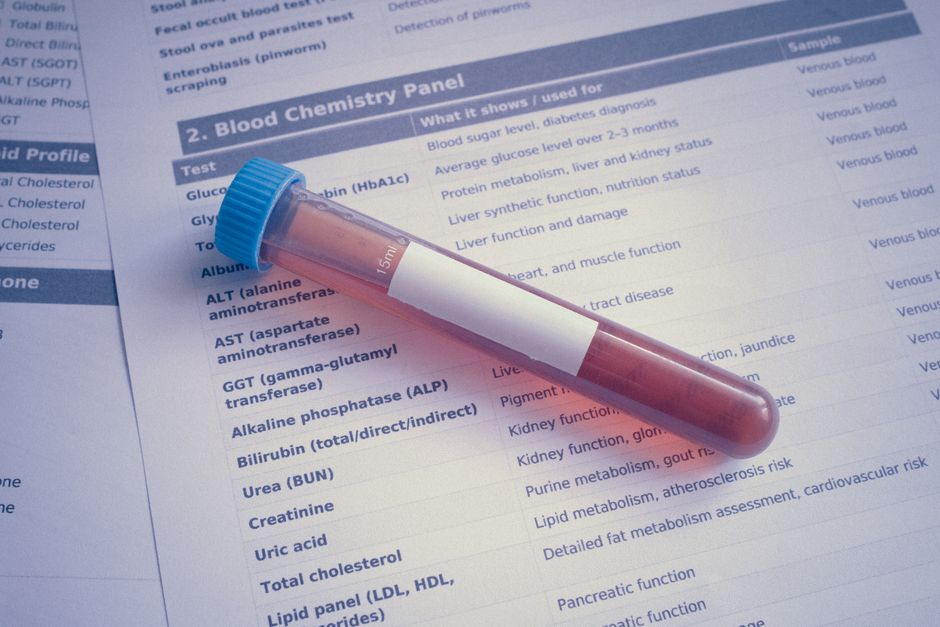
A high red blood count usually means one of two things is happening. Either your body is making more red blood cells than it needs, or the liquid part of your blood is low, which makes the cells look concentrated. The first is called an absolute increase. The second is called a relative increase. The causes behind each are very different, and so is what they mean for your health.
Doctors measure this with hemoglobin, hematocrit, and red blood cell count on a complete blood count (CBC). Normal ranges vary slightly by lab and by sex. In general, hemoglobin above roughly 16.5 g/dL in men and 16.0 g/dL in women is considered elevated, though your lab’s reference range is the one that applies to you.
Why Is Your Red Blood Count High?
An elevated red blood count has a short list of real causes, and they fall into three groups: a true overproduction of red cells, a concentration effect from low blood plasma, and a lab or measurement variation. Sorting out which group you are in is the whole point of the workup.
The most common true overproduction cause is chronic low oxygen, which triggers the hormone erythropoietin (EPO). Your kidneys sense low oxygen and release EPO, which tells your bone marrow to make more red cells. This is a normal response. When it runs for months or years, the count climbs.
The most common relative cause is dehydration or a shift of fluid out of the blood vessels. The red cells themselves are normal in number. They just look high because there is less plasma around them. This is why a single high reading is often repeated before anyone gets concerned.
A less common group is a bone marrow disorder called polycythemia vera, where the marrow makes red cells without being told to. This is a specific diagnosis that requires specific testing. It is not the usual explanation for a modestly high count.
What Counts as a High Red Blood Count?
There is no single universal cutoff. Each lab sets its own reference range based on the population it serves, so the number printed next to your result is more meaningful than any general figure.
That said, common reference ranges for adults run roughly as follows. These are general figures and your lab’s range should be used instead.
- Hemoglobin, men: about 13.5 to 17.5 g/dL
- Hemoglobin, women: about 12.0 to 15.5 g/dL
- Hematocrit, men: about 38.8 to 50.0 percent
- Hematocrit, women: about 34.9 to 44.5 percent
Hematocrit is the percentage of your blood volume made up of red cells. It is the number that most clearly shows the difference between a true increase and a concentration effect. If hemoglobin and hematocrit both rise together and stay high on a repeat test, that points toward a real increase.
One detail that surprises people: altitude matters. People living at high elevation normally carry more red cells because the air holds less oxygen. A count that would be high at sea level can be entirely normal in Denver or Santa Fe. Your doctor should know where you live and work.
What Causes a True Increase in Red Blood Cells?
A true increase means your body is genuinely producing more red cells. The question is whether that production is appropriate or not.
Chronic low oxygen (appropriate EPO response)
When your tissues do not get enough oxygen for a sustained period, your kidneys keep releasing EPO. Several conditions cause this:
- Chronic lung disease such as COPD, which reduces oxygen exchange
- Obstructive sleep apnea, where breathing pauses during sleep lower blood oxygen night after night
- Smoking, because carbon monoxide in smoke binds hemoglobin and reduces how much oxygen it can carry
- Living at high altitude
- Certain heart conditions that allow oxygen-poor blood to mix with oxygen-rich blood
Sleep apnea is worth singling out. It is common, often undiagnosed, and a modestly high red count in an overweight person who snores is a reasonable reason to test for it. This is one of the more useful connections a routine blood test can surface.
Polycythemia vera (inappropriate production)
Polycythemia vera is a rare blood cancer in which the bone marrow produces red cells without needing EPO. It usually shows up with an EPO level that is low, not high. It can also raise platelets and white cells. Itching after a hot shower and a flushed face are sometimes reported, but these are not reliable signs on their own.
Diagnosis requires specific blood and bone marrow testing, often including a JAK2 gene mutation test. If your doctor suspects this, they will refer you to a hematologist.
Other causes
Certain kidney tumors and other tumors can secrete EPO. Some medications, including testosterone therapy and certain diuretics, can raise the count. Anabolic steroid use does too. These are less common but worth reviewing with your doctor, especially if you take any of them.





How Can Dehydration Make Your Red Count Look High?
Dehydration does not create red blood cells. It shrinks the volume of plasma, the watery part of blood, so the same number of cells takes up a larger share of what is left. Hemoglobin and hematocrit both rise. The red cell count itself may rise slightly on the report too.
This is called relative or spurious erythrocytosis. It is common after illness with vomiting or diarrhea, during heavy sweating, and in people who simply do not drink enough. It also happens with diuretic use.
The tell is that it corrects with fluids. A repeat test after good hydration usually comes back normal. If it does not, that is a signal to look for a real cause.
What Symptoms Come With a High Red Blood Count?
Many people with a mildly high count have no symptoms at all, and the finding turns up on a routine blood test. When symptoms do appear, they usually reflect thicker blood or the underlying condition driving the count.
More red cells make blood more viscous, meaning it flows less easily. That can cause:
- Headaches
- Dizziness or lightheadedness
- Blurred vision or visual disturbances
- Fatigue
- Flushing of the skin, especially the face
- Itching after a warm shower
- Ringing in the ears
Thicker blood also raises the risk of abnormal clotting. That risk is real in polycythemia vera and is the main reason the condition is treated. For mild elevations from dehydration or smoking, the clotting risk is far less clear.
Do not assume a high count is harmless just because you feel fine. Some causes, including sleep apnea and polycythemia vera, can progress quietly. That is why the finding deserves follow-up rather than dismissal.
When Should You See a Doctor About a High Red Count?
Any clearly elevated result on a CBC should be discussed with a doctor. The conversation is usually about confirming the number, looking for a cause, and deciding whether treatment is needed.
Seek care promptly if a high count comes with chest pain, shortness of breath, sudden severe headache, vision changes, or swelling and pain in one leg. These can be signs of a clot and need urgent evaluation.
Otherwise, the usual next steps are straightforward:
- Repeat the CBC, ideally well hydrated
- Check your EPO level
- Review medications, smoking, and altitude
- Consider a sleep study if sleep apnea is possible
Treatment depends entirely on the cause. Dehydration is corrected with fluids. Sleep apnea is treated with CPAP or other measures. Smoking cessation lowers the count over time. Polycythemia vera is managed by a hematologist, often with phlebotomy to lower red cell mass and sometimes medication. There is no single treatment for a high red count, because a high red count is a finding, not a disease.
Frequently Asked Questions
Can dehydration cause a high red blood cell count?
Yes. Dehydration lowers blood plasma volume, which concentrates red cells and makes hemoglobin and hematocrit read high. A repeat test after good hydration usually returns to normal if this is the cause.
Is a high red blood count dangerous?
It depends on the cause. Mild elevations from dehydration or smoking are usually not dangerous, while polycythemia vera raises clot risk and needs treatment. Your doctor can tell which situation applies to you.
Can smoking raise your red blood cell count?
Yes. Carbon monoxide in smoke reduces how much oxygen hemoglobin can carry, and the body responds by making more red cells. The count often falls after quitting, though it can take months.
What is the most common cause of a high red blood count?
Chronic low oxygen from smoking, sleep apnea, lung disease, or high altitude is a common cause of a true increase. Dehydration is a common cause of a count that only looks high.
