
Seeing green in the toilet bowl can be startling. But green poop is usually nothing to worry about. The most common cause is bile — a green digestive fluid — moving through your gut too quickly to turn brown. Eating dark green vegetables or foods with green dye can also do it. In most cases, the color change is temporary and harmless.
What makes poop green?
Your body produces bile in the liver and stores it in the gallbladder. Bile is naturally green because it contains a pigment called biliverdin. When bile enters the small intestine to help digest fat, bacteria normally break biliverdin down into stercobilin, a brown pigment that gives stool its familiar color.
This process takes time — usually 24 to 72 hours from eating to elimination. If waste moves through the digestive tract faster than normal, bile doesn’t have enough time to change color. The green pigment comes out unchanged. This is the most common mechanical reason for green stool.
Another pathway: Some foods and supplements add green directly. Chlorophyll in leafy greens, spirulina, wheatgrass, and green food coloring often passes through without being fully absorbed. Iron supplements can also cause dark green or black stool, though that is less common.
What causes rapid transit?
Several things can speed up digestion enough to turn stool green.
- Diarrhea — any cause of loose, frequent stools shortens transit time. Viral gastroenteritis, food poisoning, or travel-related infections are common triggers. When the gut pushes contents through in hours instead of days, green bile stays green.
- Stress and anxiety — the gut-brain connection is real. Intense stress can alter bowel motility. For some people, this means faster transit and green stool. It is usually temporary.
- Antibiotics — these medications change the balance of bacteria in the gut. Since gut bacteria break down biliverdin, fewer bacteria can mean more green stool. This effect usually resolves once the antibiotic course ends and the microbiome recovers.
- Food intolerances or malabsorption — conditions like lactose intolerance or celiac disease can cause rapid emptying of the small intestine. The undigested food and excess fluid push bile through faster.
Inflammatory bowel disease (IBD) such as Crohn’s or ulcerative colitis can also cause persistent rapid transit. But green stool alone is not a reliable sign of IBD.
Can green food or drinks be the cause?
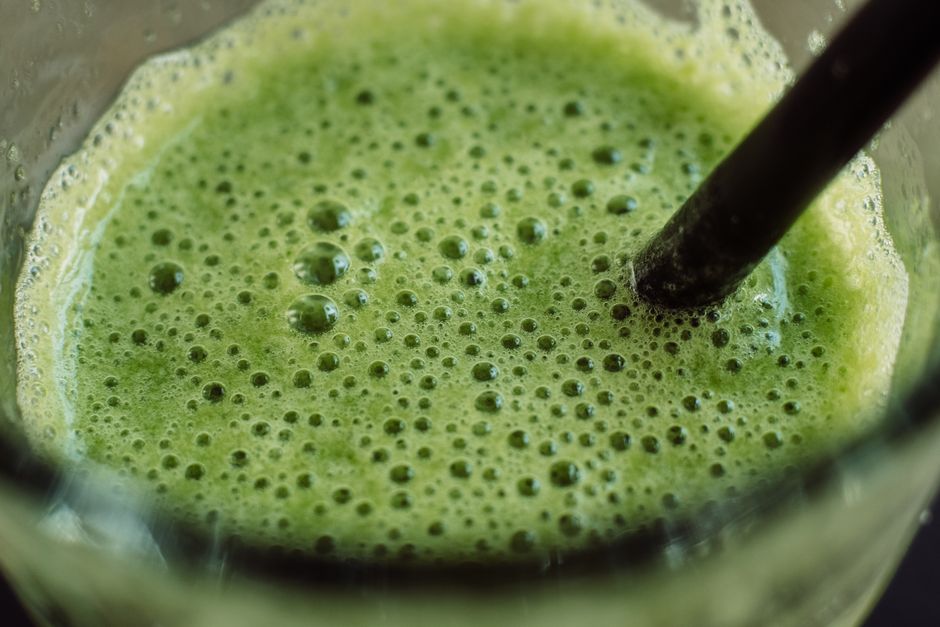
Yes, and this is one of the easiest explanations to confirm. Dark green vegetables like spinach, kale, and broccoli add chlorophyll to the stool. If you eat a large salad or a green smoothie, do not be surprised to see green the next day.
Artificial food coloring is an even stronger cause. Green gelatin, frosting, sports drinks, and candy often contain dyes that are not fully absorbed. The color can be surprisingly bright. Some green-colored medications or supplements can also tint stool.
A simple test: Remember what you ate in the past 24 to 48 hours. If a green food was on the menu, that is likely the answer. The color should clear once you stop eating that item.





Is green poop dangerous?
In the vast majority of cases, green stool is not dangerous. It is a physical sign, like a check engine light that most often indicates a minor, temporary issue. The color itself is harmless.
The danger, if any, comes from whatever caused the fast transit. If the underlying cause is an infection, food poisoning, or a medication side effect, the green color will resolve when the cause resolves. You do not need to treat the green stool directly; focus on the diarrhea or the trigger food.
There is one rare exception: green stool combined with very pale yellow or clay-colored stool can signal a bile duct blockage. But that scenario is unusual and almost always comes with other symptoms like jaundice, dark urine, and belly pain.
When should you see a doctor?
See a doctor if green stool lasts more than a few days without an obvious cause. Also seek medical attention if any of these are present:
- Blood in the stool (red streaks or black, tarry stool)
- Severe abdominal pain or cramping
- Fever over 101°F (38.3°C)
- Signs of dehydration: dry mouth, less frequent urination, dizziness
- Weight loss without trying
- Persistent diarrhea lasting more than three days
These symptoms suggest an underlying condition that needs evaluation, not the green color itself. Your doctor will ask about diet, medications, and other symptoms. They may order a stool test or blood work if an infection or absorption problem is suspected.
How to make green poop go away
Usually no treatment is needed. The color resolves on its own once the trigger is gone. If you want to speed things up:
- Check your diet. Cut back on green vegetables and artificially colored foods for a day or two.
- Stay hydrated. If diarrhea is the cause, water and electrolyte drinks help the gut recover.
- Finish your course of antibiotics as prescribed. The green color will fade afterward.
- If stress is a factor, relaxation techniques or addressing the source of anxiety can help normalize bowel speed.
Do not take anti-diarrhea medications without talking to a doctor if you also have fever or bloody stool. Slowing down gut transit during an infection can make things worse.
Common myths about green poop
Myth: Green poop always means infection. No. Diet and rapid transit are far more common causes.
Myth: Green poop means your body is detoxing. There is no evidence that color reflects toxin removal. The liver and kidneys handle detoxification, not stool color.
Myth: Green poop in babies is dangerous. In breastfed newborns, greenish-black meconium is normal for the first few days. Later in infancy, green stool can indicate a foremilk-hindmilk imbalance, but it is usually harmless. If there is mucus, blood, or the baby seems ill, see a pediatrician.
Frequently Asked Questions
Can stress cause green poop?
Stress can speed up gut motility, which may cause bile to pass through undigested and turn stool green. This effect is usually temporary and resolves when the stress passes.
Can green poop be a sign of a parasite?
Infections that cause rapid diarrhea — whether viral, bacterial, or parasitic — can lead to green stool because of the fast transit. The green color itself is not a specific sign of parasites.
How long does green poop last?
If caused by diet, it clears within 24 to 48 hours after stopping the trigger food. If caused by diarrhea, it lasts as long as the diarrhea lasts — usually a few days.
Does green poop mean you have a liver problem?
Very rarely on its own. Liver and gallbladder problems more often cause pale or clay-colored stool, dark urine, and yellow skin. Green stool alone is unlikely to indicate liver disease.
