
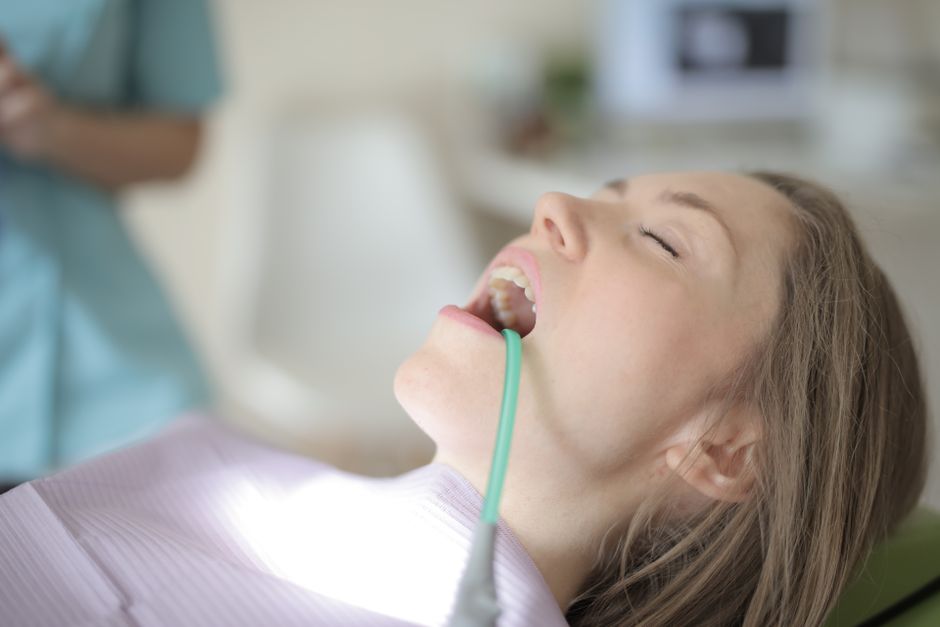
Waking up with a dry, sticky mouth is a common and uncomfortable way to start the day. It happens because your body naturally slows down saliva production while you sleep, but certain habits, medications, and health conditions can make it much worse. The medical term for this is xerostomia, and while it is often harmless, persistent morning dryness can signal an underlying issue worth addressing.
Why Is Your Mouth So Dry When I Wake Up? Reasons and Causes
Saliva is your mouth’s natural cleaning and lubricating system. During sleep, your salivary glands reduce production, sometimes by more than half. That reduction is normal. The problem comes when something pushes that already-low output even lower.
Mouth breathing is one of the most common culprits. Sleeping with your mouth open allows air to move across the oral tissues, drying them out quickly. Nasal congestion from allergies, a cold, or a deviated septum often forces this mouth breathing. Snoring and sleep apnea also contribute because they change your breathing patterns overnight.
Dehydration is another straightforward reason. If you did not drink enough water during the day, or you consumed alcohol or caffeine close to bedtime, your body may not have enough fluid to produce adequate saliva. Alcohol is especially drying because it acts as a diuretic, increasing fluid loss.
Medications That Cause Dry Mouth at Night
Hundreds of common medications list dry mouth as a side effect. The most frequent offenders include antihistamines, decongestants, muscle relaxants, and medications for high blood pressure. Antidepressants and anti-anxiety drugs also commonly reduce saliva flow.
These drugs work by blocking certain nerve signals, and some of those signals also control salivary glands. The effect can be mild or severe depending on the drug and the dose. If you take multiple medications, the drying effect can compound.
Do not stop taking a prescribed medication without talking to your doctor first. If dry mouth is bothersome, your physician may be able to adjust the dose or switch you to a different drug in the same class. Many people find that taking the medication earlier in the day helps reduce nighttime dryness.
Sleep Apnea and Mouth Breathing
Obstructive sleep apnea is a condition where the airway partially or fully collapses during sleep. This forces you to breathe through your mouth, often with loud snoring and gasping. The result is frequently a very dry mouth in the morning.
If you wake up with a dry mouth and also experience excessive daytime sleepiness, loud snoring, or pauses in breathing reported by a partner, sleep apnea is worth investigating. Untreated sleep apnea carries real health risks, including high blood pressure and heart problems.
Treatment for sleep apnea often involves a CPAP machine that delivers air through a mask. Ironically, CPAP can also dry the mouth if air leaks through the lips. Heated humidifiers built into modern CPAP machines help reduce this side effect.
Simple mouth breathing without sleep apnea can also be addressed. Nasal strips, saline rinses, or treating underlying allergies may help you keep your mouth closed during sleep.




Medical Conditions Linked to Morning Dry Mouth
Several health conditions can reduce saliva production. Sjögren’s syndrome is an autoimmune disease that primarily affects the glands that produce tears and saliva. It causes persistent dry eyes and dry mouth, not just in the morning but throughout the day.
Diabetes is another common cause. High blood sugar levels lead to increased urination and fluid loss, which can dehydrate the body. Uncontrolled diabetes can also directly affect salivary gland function. If you have dry mouth and are also drinking and urinating more than usual, a blood sugar check is reasonable.
Other conditions include thyroid disorders, HIV, and certain autoimmune diseases. Acid reflux, or GERD, can also contribute. Stomach acid that travels up the esophagus overnight can irritate the throat and mouth, creating a sensation of dryness and a bitter taste.
Lifestyle Habits That Make Morning Dryness Worse
Several common habits increase the severity of morning dry mouth. Smoking or vaping dries oral tissues directly and reduces saliva production over time. The heat and chemicals in smoke irritate the salivary glands and can impair their function.
Alcohol consumption in the evening is a major factor. Beyond its diuretic effect, alcohol reduces the reflex that stimulates saliva production. A glass of wine or beer within a few hours of bedtime can leave you noticeably dry by morning.
Caffeine has a similar effect. Coffee and some teas are mild diuretics. Drinking them late in the day can contribute to overnight fluid loss. This does not mean you must give up coffee entirely, but timing matters.
Mouthwash is a less obvious culprit. Many commercial mouthwashes contain alcohol, which dries the oral tissues. If you rinse right before bed, you may be compounding the problem. Alcohol-free mouthwashes are widely available.
Simple Remedies for Morning Dry Mouth
Start with hydration. Drink water throughout the day, not just when you feel thirsty. Keep a glass of water on your nightstand for middle-of-the-night sips. This is the simplest and most effective first step.
Use a humidifier in your bedroom, especially during winter months when indoor heating dries the air. Dry air pulls moisture from your mouth and nasal passages. Adding moisture to the air can noticeably reduce morning dryness.
Saliva substitutes and stimulants can help. Over-the-counter dry mouth sprays, lozenges, and gels provide temporary relief. Sugar-free gum or hard candies stimulate saliva production. Look for products sweetened with xylitol, which has been shown to help prevent cavities, but be aware that xylitol is highly toxic to dogs.
Good oral hygiene matters. Brushing and flossing before bed removes food particles that bacteria feed on overnight. Use a fluoride toothpaste. If dry mouth is chronic, ask your dentist about prescription fluoride treatments to protect against decay.
When to See a Doctor About Dry Mouth
Occasional morning dryness is not a medical emergency. But if it happens most nights and does not improve with hydration, it is worth discussing with a healthcare provider.
See a doctor if dry mouth is accompanied by difficulty swallowing, a burning sensation in the mouth, cracked lips, or sores. These symptoms suggest the dryness is severe enough to damage oral tissues.
Also seek evaluation if you have persistent thirst, frequent urination, or unexplained weight loss. These can be signs of diabetes. If you have dry eyes along with dry mouth, mention both symptoms to your doctor, as this combination points toward Sjögren’s syndrome.
Dentists are often the first to notice dry mouth. They see the effects on your teeth and gums before you feel the symptoms. Regular dental visits are important, especially if you take medications known to cause dry mouth.
Frequently Asked Questions
Can dehydration alone cause morning dry mouth?
Yes, insufficient fluid intake is a common cause. Your body needs adequate hydration to produce saliva, and even mild dehydration reduces output.
Is morning dry mouth a sign of diabetes?
It can be, especially when accompanied by increased thirst and frequent urination. High blood sugar causes fluid loss that dries the mouth.
Does sleeping with your mouth open always cause dry mouth?
Yes, mouth breathing directs airflow over oral tissues and accelerates moisture loss. Treating the cause of nasal congestion often resolves the dryness.
Can medications cause dry mouth even if taken in the morning?
Yes, many medications affect saliva production for hours after ingestion. The effect may be more noticeable at night when natural saliva output is already low.
