
Waking up to a puffy face is common, and most of the time it is not a sign of anything serious. Facial puffiness happens when fluid collects in the soft tissues of your face, a process called edema. The skin around your eyes and cheeks is thin and loose, so fluid shows up there first and most obviously. Understanding what drives that fluid shift tells you whether you are looking at a harmless morning change or something worth a doctor’s attention.
What Actually Causes Facial Swelling?
Facial puffiness is fluid. Your body constantly moves water between blood vessels, cells, and the spaces between them. When more fluid leaks into the tissue than your lymph vessels drain away, it pools there and the area looks swollen.
Several things push that balance off. Blood vessels can become more permeable, letting fluid escape. Lymph drainage can slow down. Gravity can let fluid settle overnight when you lie flat. And the tissues themselves can hold onto water when sodium levels in your body rise.
The face is uniquely vulnerable because its skin is thin and its underlying tissue is loose. A small amount of extra fluid that would barely register on your thigh becomes obvious around your eyes. That is why the same fluid shift that you would never notice elsewhere shows up as a puffy face.
This is normal physiology. It becomes a medical concern when the swelling is persistent, painful, one-sided, or accompanied by other symptoms.
Why Is Your Face So Puffy in the Morning?
Morning puffiness is largely about posture and gravity. When you sleep flat, fluid that would normally be pulled down toward your legs instead distributes evenly, including into your face and around your eyes. Over several hours, that fluid collects in the loose tissue there.
Sleep position matters. People who sleep on their stomach or with a low pillow tend to wake up puffier because fluid has more chance to settle in the face. Sleeping slightly elevated can reduce this.
Salt intake from the night before plays a role too. A high-sodium meal causes your body to retain water to keep sodium concentrations balanced. That extra water can show up as morning swelling. Alcohol does something similar. It suppresses a hormone called vasopressin that helps your body hold onto water, and it also causes vasodilation, the widening of blood vessels. The result is often a puffy face the next morning.
For most healthy people, morning puffiness fades within an hour or two of getting up and moving around. Movement helps your lymph system drain the fluid, and gravity pulls it downward again.
What Medical Conditions Cause a Puffy Face?
When facial swelling is persistent, severe, or comes with other symptoms, a medical cause needs to be considered. Several conditions can produce facial edema, and they work through different mechanisms.
Kidney problems can cause fluid retention because the kidneys regulate how much water and sodium your body keeps. When they are not filtering properly, fluid builds up. Facial puffiness, especially around the eyes in the morning, is a recognized sign of some kidney conditions. Protein loss through the urine is one reason this happens.
Heart failure can lead to fluid buildup because the heart is not pumping efficiently enough to move blood and fluid through the body. Facial swelling is less typical than leg and ankle swelling, but it can occur, particularly when lying flat.
Hypothyroidism, an underactive thyroid, can cause a type of swelling called myxedema. This is different from water-based edema. It involves the buildup of certain proteins in the tissue. It tends to be firm rather than soft and can affect the face, especially around the eyes.
Allergic reactions cause rapid facial swelling, often around the lips, eyes, and tongue. This is different from the slow morning puffiness most people experience. Angioedema, a deeper form of swelling, can be serious. Swelling that develops quickly, affects the tongue or throat, or makes breathing difficult is a medical emergency.
Infections such as sinusitis or a dental abscess can cause localized swelling on one side of the face, usually with pain, warmth, and sometimes fever.
Each of these conditions typically comes with other signs. Facial puffiness alone, without other symptoms, is rarely the first clue to a serious diagnosis.





How Do Medications and Hormones Affect Facial Swelling?
Certain medications can cause fluid retention as a side effect. This is a well-documented effect of some drug classes, though not every person who takes them will experience it.
- Corticosteroids like prednisone can cause fluid retention and a characteristic roundness of the face with long-term use.
- Some blood pressure medications, particularly calcium channel blockers, can cause swelling in the ankles and occasionally the face.
- Nonsteroidal anti-inflammatory drugs (NSAIDs) can promote sodium and water retention.
- Some diabetes medications have been associated with fluid retention in certain patients.
Hormonal shifts matter too. Many people notice facial puffiness before or during their menstrual period because of changes in estrogen and progesterone that affect fluid balance. Pregnancy causes significant increases in blood volume and can lead to facial swelling, especially in the later months. This is usually normal, but sudden swelling in pregnancy, particularly with headache or vision changes, needs urgent medical evaluation because it can signal a serious condition called preeclampsia.
If you suspect a medication is causing facial swelling, do not stop taking it on your own. Talk to your prescriber. Some causes of swelling are harmless, but others need a medication change or further workup.
When Should You Worry About a Puffy Face?
Most facial puffiness is temporary and harmless. But some signs suggest a cause that needs medical attention.
Seek medical care if you notice:
- Swelling that is sudden and severe, especially around the lips, tongue, or throat
- Difficulty breathing, swallowing, or speaking
- Swelling on only one side of the face
- Swelling that comes with fever, redness, or pain
- Swelling that does not improve after a few days or gets worse
- Swelling along with weight gain, fatigue, or changes in urination
- Facial swelling during pregnancy with headache, vision changes, or upper abdominal pain
These signs do not automatically mean something serious is going on. They mean a doctor should evaluate the swelling rather than you waiting to see if it resolves on its own.
What Helps Reduce Facial Puffiness?
For ordinary morning puffiness, a few simple habits can help. None of these treat an underlying medical condition, but they can reduce the everyday fluid shifts that cause a puffy face.
Sleeping with your head slightly elevated can help fluid drain downward instead of collecting in your face. Getting up and moving in the morning supports lymph circulation. Staying hydrated may seem counterintuitive when you are retaining fluid, but dehydration can actually prompt your body to hold onto water, so drinking enough throughout the day matters.
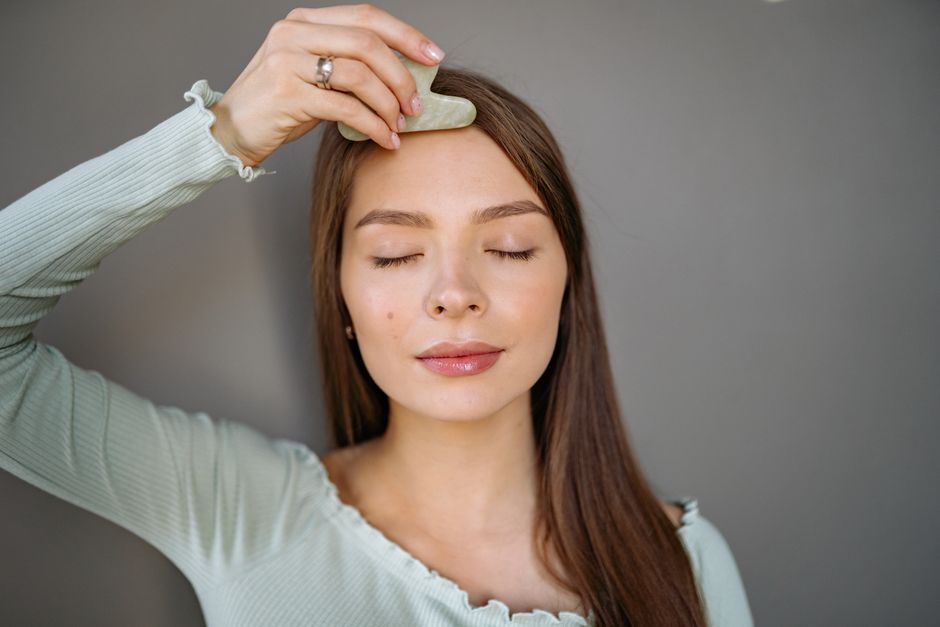
Reducing sodium intake, especially in the evening, can lower overnight fluid retention. Limiting alcohol before bed helps too. A cool compress or a gentle facial massage may temporarily reduce swelling by encouraging circulation, though the effect is short-lived.
Some people find that cutting back on salty processed foods makes a noticeable difference in morning puffiness. Others do not see much change. Response varies from person to person.
What does not have strong evidence behind it is the idea that specific teas, supplements, or “lymph detox” products meaningfully reduce facial swelling. No large human trials confirm these claims. If a product promises to “drain toxins” from your face, that is marketing language, not physiology. Your lymph system does not need a supplement to work.
Does Facial Puffiness Change With Age?
Yes, and the reasons are structural. As you age, the fat pads under your facial skin shift and thin, and the skin itself loses collagen and elasticity. This changes how your face distributes and holds fluid.
Some areas may look hollow while others look puffy. The tissue around the eyes becomes thinner and looser, so even small amounts of fluid show up more. The result is that many people in their 40s and 50s notice more facial puffiness than they did in their 20s, even when nothing else has changed.
This is a normal part of aging. It is not a disease. But it does mean that the same fluid shifts that once went unnoticed now show up on your face.
Frequently Asked Questions
Why is my face puffy in the morning?
Lying flat overnight lets fluid settle in the loose tissue around your eyes and cheeks instead of draining downward. High-sodium meals, alcohol, and sleeping on your stomach can make it worse.
Can a puffy face be a sign of something serious?
It can be, especially if the swelling is sudden, one-sided, painful, or comes with breathing trouble, fever, or other symptoms. Persistent swelling should be evaluated by a doctor to rule out kidney, heart, or thyroid causes.
How long should facial puffiness last?
Normal morning puffiness usually fades within an hour or two of getting up and moving. Swelling that lasts all day, worsens, or does not improve over several days is worth a medical visit.
Does drinking water reduce facial puffiness?
Staying properly hydrated helps your body maintain normal fluid balance, and dehydration can actually cause your body to retain water. It is not a treatment for swelling caused by a medical condition.
