
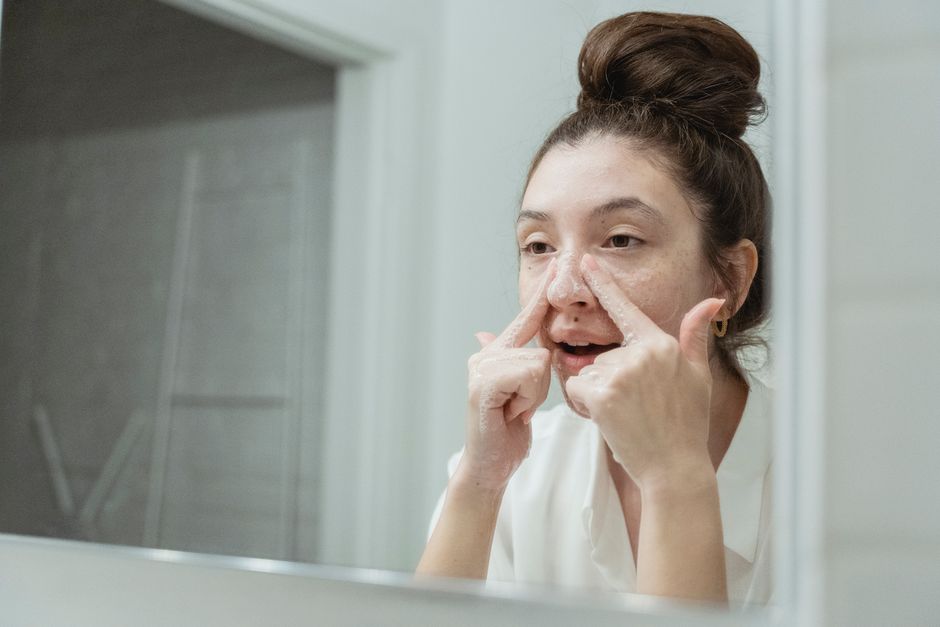
You wake up, look in the mirror, and your face looks different from the one you went to sleep with. The eyelids are heavier. The cheeks are fuller. The jawline has softened. Morning facial puffiness is fluid that collected in the tissues of your face overnight while you were lying flat. Gravity is no longer pulling that fluid down toward your legs, so it settles in the loose tissue around your eyes and cheeks. For most healthy people it fades within an hour or two of getting up and moving around. When it does not, or when it keeps getting worse, it is worth understanding why.
Why Is Your Face Puffy In The Morning?
Your body moves fluid constantly. During the day, gravity pulls tissue fluid downward, and your muscles and circulation help push it back toward the heart. At night you lie horizontal, so that downward pull disappears. Fluid redistributes across your face and collects in areas where the tissue is loosest. The skin around your eyes is the thinnest on your body, which is why puffiness shows up there first and most obviously.
Several things can increase how much fluid shifts overnight. Salt intake is one of the most common. Sodium makes your body hold onto water, and a salty dinner can show up on your face by morning. Alcohol does something similar by affecting how your body regulates fluid and by disrupting sleep. Sleeping flat, sleeping poorly, or sleeping fewer hours than usual all tend to make it more noticeable.
There is a detail many people miss. Morning puffiness is not usually a sign that you drank too much water. It is more often a sign that your body is holding onto fluid because of sodium, hormones, or circulation. Drinking water does not typically cause a puffy face. In most cases, staying properly hydrated helps your body regulate fluid more normally.
What Causes Puffy Eyes And Face In The Morning?
The causes fall into two groups: everyday factors that are temporary and harmless, and medical conditions that need attention. Most people are dealing with the first group.
Everyday causes include a high-salt meal the night before, alcohol, poor sleep, crying, allergies, and sleeping face-down on a pillow. Allergies matter more than people realize. When allergens irritate the eyes and nasal passages, the tissue around the eyes can swell. If your puffiness comes with itchy, watery eyes or sneezing, allergies may be the driver.
Hormonal shifts also play a role. Some women notice more facial puffiness in the days before a menstrual period or during pregnancy, when fluid retention is common. This is a normal physiological response, not a sign of disease.
Medical causes are less common but more important to recognize. These include thyroid problems, kidney conditions, and in some cases heart issues. The key difference is pattern. Puffiness from a medical cause tends to be persistent, does not fully resolve during the day, and often comes with other symptoms. We will cover those warning signs further down.
Why Does Fluid Build Up Around The Eyes Overnight?
The tissue around your eyes is built differently from the rest of your face. The skin is very thin, and the layer of fat and connective tissue beneath it is loose. That loose structure holds fluid easily. When you lie down, fluid that would normally drain downward has nowhere to go, so it pools in that loose tissue.
Lymphatic drainage also slows at night. Your lymphatic system is the network that clears excess fluid from tissues. It relies partly on movement and muscle activity to keep fluid moving. When you are still and lying down for hours, that drainage is less active. The result is fluid sitting in the tissue longer than it would during the day.
This is why the puffiness is usually worst right when you wake up and improves as you move. Standing up restores the effect of gravity. Walking and using your facial muscles helps push fluid back into circulation. That is also why a little movement in the morning tends to do more for puffiness than any cream.
What Makes Morning Facial Swelling Worse?
Certain habits reliably make morning puffiness more noticeable. If you recognize several of these, adjusting them is often the most direct way to reduce it.
- High-sodium meals. Restaurant food, processed foods, and salty snacks are common culprits. Sodium causes your body to retain water.
- Alcohol in the evening. Alcohol affects fluid balance and sleep quality, both of which contribute to puffiness.
- Poor or short sleep. Sleep affects hormones that regulate fluid and inflammation.
- Sleeping flat or face-down. A slightly raised head position can reduce how much fluid pools in the face.
- Not removing makeup. Leftover eye makeup can irritate the eyes and cause mild swelling.
- Allergens in the bedroom. Dust mites and pet dander can trigger overnight allergic swelling.
None of these are dangerous on their own. They are simply inputs your body responds to. Removing one or two often makes a visible difference within a few days.
When Should Puffy Face In The Morning Worry You?
Most morning puffiness is harmless. Certain patterns are different and deserve a medical evaluation. The distinction is not about how puffy you look on any single morning. It is about whether the puffiness is persistent, worsening, or paired with other symptoms.
See a doctor if facial swelling:
- Does not improve or resolve as the day goes on
- Is getting steadily worse over days or weeks
- Comes with swelling in the legs, ankles, or feet
- Comes with shortness of breath, especially when lying down
- Comes with changes in urination, such as foamy urine or going less often
- Comes with unexplained weight gain, fatigue, or feeling cold
- Is one-sided, painful, or comes with fever or redness
Some of these point toward kidney or heart conditions. Others suggest a thyroid problem. A one-sided, painful, or rapidly spreading swelling can be a sign of infection or an allergic reaction and needs prompt care. This is not meant to alarm you. It is meant to give you a clear line between a normal morning face and something that warrants a call to your doctor.
How Do You Reduce Morning Face Puffiness?
The most reliable approach is to address the causes rather than chase a quick fix. No cream or gadget has strong evidence behind it for preventing overnight fluid retention. What does have a reasonable basis is reducing the factors that make your body hold fluid.
Cutting back on sodium, limiting alcohol, and getting consistent sleep are the basics. Sleeping with your head slightly elevated can help fluid drain away from the face rather than pooling there. If allergies are involved, reducing bedroom allergens and treating the allergy itself is more useful than any topical product.
In the morning, gentle movement helps. A short walk or a few minutes of activity gets circulation and lymphatic flow going. A cool compress on the eyes can feel soothing and may reduce swelling temporarily, though the effect is short-lived. Some people find a gentle facial massage helpful. The evidence for these measures is limited, but they are low-risk and many people find them pleasant.
Be skeptical of products that promise to “drain” or “detox” your face. Puffiness is not a toxin problem. It is a fluid distribution issue. No clinical evidence supports the idea that facial rollers, jade stones, or special creams remove toxins from your face.
Does Drinking Water Or Cutting Salt Help With Puffy Face?
Cutting salt helps. Drinking more water does not usually cause puffiness, and staying hydrated supports normal fluid balance. The relationship between salt and fluid retention is well established. When you take in more sodium than your body needs, it holds extra water to keep sodium concentrations in a normal range. That extra water can show up as puffiness.
Water itself is different. Your kidneys regulate fluid balance carefully. Drinking a normal amount of water does not typically make your face puffy. In fact, dehydration can make your body hold onto fluid more tightly. The idea that drinking water causes a puffy face is a common misconception.
What matters most is the balance. A very salty meal combined with alcohol and short sleep is a reliable recipe for a puffy morning. A normal dinner, moderate fluids, and a full night’s sleep usually are not.
Is Morning Face Puffiness A Sign Of A Health Problem?
Usually not. For most people, morning puffiness is a normal response to lying flat and to whatever they ate, drank, or experienced the night before. It is common, temporary, and not a sign of disease.
That said, persistent or worsening swelling should not be ignored. The pattern matters more than any single morning. Swelling that stays through the day, spreads to other parts of the body, or comes with symptoms like breathlessness, urine changes, or fatigue is worth a medical visit. A doctor can check thyroid function, kidney function, and other markers if there is reason to suspect a medical cause.
The honest position is this: occasional morning puffiness is normal and not something to worry about. A pattern that does not fit that description deserves a conversation with a clinician rather than a new skincare product.
Frequently Asked Questions
Why is my face puffy every morning?
Lying flat overnight lets fluid collect in the loose tissue of your face, especially around the eyes. Salt, alcohol, poor sleep, and allergies can make it more noticeable.
Does drinking water cause a puffy face in the morning?
No, drinking a normal amount of water does not typically cause facial puffiness. Sodium intake and fluid retention are more common drivers.
How long does morning face puffiness last?
For most people it fades within an hour or two of getting up and moving around. Swelling that lasts all day or keeps worsening is worth a medical check.
When should I worry about a puffy face?
See a doctor if the swelling is persistent, gets worse over time, or comes with leg swelling, breathlessness, urine changes, or fatigue. One-sided or painful swelling needs prompt care.
