

Itching all over your body with no rash or obvious cause is frustrating and often worrying. The most common reason is dry skin, but when that is not the case, the cause is often internal — something happening inside your body rather than on your skin. Kidney disease, liver problems, thyroid disorders, and even certain medications can trigger full-body itching. This article explains what the research actually shows about why your entire body itches and what you can do about it.
What Causes Full-Body Itching Without a Rash?
When your whole body itches but your skin looks normal, doctors call it “pruritus without primary skin lesions.” This type of itching usually comes from inside your body. The most common cause is dry skin, especially in winter or in dry climates. But when moisturizing does not help, something else is going on.
Research published in the American Journal of Clinical Dermatology found that systemic diseases cause about 10 to 25 percent of chronic itch cases. The most common internal causes are kidney disease, liver disease, thyroid problems, and iron deficiency. Diabetes and certain blood disorders can also cause whole-body itching.
Some medications cause itching as a side effect. Opioids, blood pressure drugs called ACE inhibitors, and some antibiotics are known triggers. If you started a new medication in the past few weeks and then developed itching, that is a strong clue.
How Do Kidney and Liver Problems Cause Itching?
Chronic kidney disease is one of the most well-documented causes of full-body itching. The National Kidney Foundation reports that about 40 percent of people with advanced kidney disease experience moderate to severe itching. The exact mechanism is not fully understood, but it is likely related to the buildup of waste products in the blood that the kidneys can no longer filter out.
Liver disease, especially primary biliary cholangitis and hepatitis C, also causes intense itching. Research in Hepatology suggests that bile salts accumulating in the skin may be responsible, though other substances like lysophosphatidic acid are also being studied. The itching from liver disease often gets worse at night and can be so severe that it disrupts sleep.
Both conditions share a common pattern: the itching is worst on the back, arms, and legs, and there is usually no rash. If you have a history of kidney or liver problems, or if you have other symptoms like fatigue, swelling in your legs, or dark urine, these should be checked by a doctor.
Can Thyroid Problems or Iron Deficiency Cause Itching?
Yes. Both overactive thyroid (hyperthyroidism) and underactive thyroid (hypothyroidism) can cause generalized itching. A study in the Journal of the American Academy of Dermatology found that about 4 to 11 percent of people with thyroid disease report chronic itching. The mechanism is not entirely clear, but it may relate to changes in blood flow and skin metabolism caused by thyroid hormone imbalances.
Iron deficiency is another surprisingly common cause. Even without anemia — meaning your red blood cell count is normal — low iron levels can trigger itching. Research published in Dermatology found that iron supplementation resolved itching in about 70 percent of people who were iron deficient. This is one of the easiest causes to identify with a simple blood test.
Both conditions are treatable. If your itching is accompanied by fatigue, cold intolerance, weight changes, or brittle nails, ask your doctor to check your thyroid and iron levels.



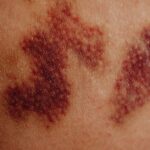
How Do Neurological Conditions Cause Itching?
Some cases of full-body itching have nothing to do with the skin or organs. They come from the nervous system itself. This is called neuropathic itch. It happens when nerves send false itch signals to the brain, even though there is nothing on the skin causing it.
Shingles (herpes zoster) is a classic example. The itching can persist for months after the rash heals. Multiple sclerosis, diabetes-related nerve damage, and even pinched nerves in the spine can cause widespread itching. A 2019 review in Neurology noted that neuropathic itch is often described as “crawling” or “pins and needles” rather than the typical scratchy sensation.
One clue that itching might be neurological: it does not respond to antihistamines. If Benadryl or Zyrtec do nothing for your itching, the cause may be in your nerves, not your skin.
What Are the Best Treatments for Full-Body Itching?
Treatment depends entirely on the cause. That is why guessing is not useful. Here is what the evidence supports for the most common causes:
- Dry skin: Thick moisturizers with ceramides or urea. Apply immediately after bathing. Avoid hot water and harsh soaps.
- Kidney disease: Prescription treatments like gabapentin or pregabalin are effective. The KDIGO guidelines recommend these as first-line therapy. UVB light therapy also helps some people.
- Liver disease: Cholestyramine, a medication that binds bile acids, is often prescribed. Rifampin and naltrexone are also used in difficult cases.
- Iron deficiency: Iron supplements. Itching usually resolves within a few weeks of normalizing iron levels.
- Thyroid disease: Treating the underlying thyroid imbalance usually stops the itching.
- Neuropathic itch: Gabapentin, pregabalin, or topical lidocaine. Antihistamines do not work for this type.
For itching with no identifiable cause, a dermatologist may prescribe topical creams like pramoxine or menthol-based lotions. These provide temporary relief by numbing the skin or creating a cooling sensation. Oral antihistamines are often tried but have limited evidence for non-allergic itching.
Here is a quick comparison of common treatments by cause:
| Cause | First-Line Treatment | Evidence Level |
|---|---|---|
| Dry skin | Moisturizers | Strong |
| Kidney disease | Gabapentin | Strong |
| Liver disease | Cholestyramine | Moderate |
| Iron deficiency | Iron supplements | Strong |
| Thyroid disease | Thyroid medication | Strong |
| Neuropathic | Gabapentin or pregabalin | Moderate |
When Should You See a Doctor for Full-Body Itching?
If your itching lasts more than two weeks and does not improve with basic moisturizing, see a doctor. You should also see a doctor if the itching is severe enough to keep you awake or if it comes with other symptoms like fatigue, weight loss, fever, or night sweats.
The American Academy of Dermatology recommends a basic workup for unexplained itching that includes a complete blood count, liver and kidney function tests, thyroid panel, and iron studies. This blood work can identify most of the common internal causes. If those tests are normal, your doctor may check for less common causes like hepatitis C, HIV, or certain cancers.
One thing to know: cancer is a rare cause of itching. It gets mentioned a lot in online articles, but population studies show it accounts for less than 1 percent of chronic itch cases. The cancers most associated with itching are lymphoma, especially Hodgkin lymphoma, and certain leukemias. But again, this is uncommon. Do not let that possibility scare you — let your doctor run the appropriate tests.
Common Misconceptions About Full-Body Itching
One widespread myth is that full-body itching always means an allergic reaction. That is not true. Allergic reactions typically cause hives, swelling, or a rash. If your skin looks clear, the cause is likely internal or neurological.
Another myth is that stress alone can cause whole-body itching. Stress can make existing itching worse, but it is rarely the sole cause. The term “psychogenic itch” is used, but it is a diagnosis of exclusion — meaning doctors only consider it after ruling out every physical cause.
A third misconception is that antihistamines cure all itching. They only work if histamine is the cause, which is mainly true for allergic reactions and hives. For kidney, liver, thyroid, or nerve-related itching, antihistamines are essentially useless. Taking them for weeks when they are not helping just causes side effects like drowsiness and dry mouth.
Frequently Asked Questions
Why is my entire body itchy but no rash?
The most common cause is dry skin, but internal conditions like kidney disease, liver disease, thyroid problems, or iron deficiency can also cause itching without a rash. A blood test can help identify the cause.
Can diabetes cause full-body itching?
Yes, diabetes can cause itching, especially if blood sugar is poorly controlled. The itching is often related to dry skin from dehydration or nerve damage from diabetic neuropathy.
What cancers cause itching all over the body?
Lymphoma, especially Hodgkin lymphoma, and some leukemias can cause generalized itching. But cancer is a rare cause — less than 1 percent of chronic itch cases are due to cancer.
How long should I wait before seeing a doctor for itching?
See a doctor if the itching lasts more than two weeks, is severe enough to disrupt sleep, or comes with other symptoms like fatigue, weight loss, or fever.
