
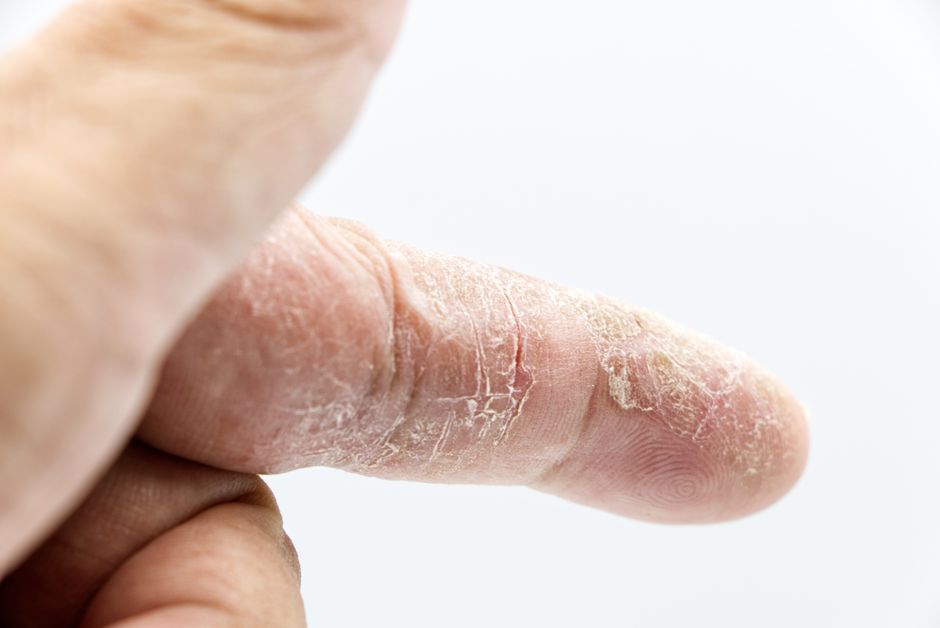
A crusty, wet ear usually means fluid or discharge has dried at the opening of the ear canal. The most common cause is eczema or seborrheic dermatitis of the ear canal skin, though ear infections, swimmer’s ear, and earwax buildup can produce similar symptoms. The wetness is the fluid; the crust is what remains after that fluid dries.
What matters is the type of fluid and whether there is pain, hearing loss, or swelling. Clear or slightly yellowish crusting without pain often points to a skin condition. Pus, blood, or crusting with pain points toward infection. That distinction shapes everything that follows.
Why Is Your Ear Crusty And Wet?
The skin inside your ear canal is thin and delicate. It is much thinner than the skin on your arm or leg. When that skin becomes inflamed, it produces fluid. That fluid mixes with dead skin cells and earwax, then dries into a crust.
The wetness comes from one of a few sources:
- Serous fluid — a clear, watery liquid that leaks from inflamed skin
- Pus — a thicker, yellow or green fluid that signals infection
- Earwax mixed with moisture — can look wet and then dry into a flaky crust
- Blood — usually from scratching or a ruptured eardrum
The crust itself is mostly dried fluid, dead skin cells, and sometimes dried pus or blood. Its color and texture give clues about the underlying cause.
One detail worth knowing: the ear canal is self-cleaning. Skin cells migrate outward from the eardrum to the opening, carrying wax with them. When that process is disrupted by inflammation, infection, or aggressive cleaning, debris builds up and crusting gets worse.
What Causes Crusty, Wet Ears?
Several conditions produce this symptom. They differ in how they look, how they feel, and how they are treated.
Eczema of the ear canal
Atopic dermatitis can affect the ear canal the same way it affects other skin. The skin becomes itchy, red, and inflamed. It weeps clear fluid, which dries into a yellowish crust. This is one of the most common causes of chronic crusty, wet ears in adults. Itching is usually the dominant symptom, not pain.
Seborrheic dermatitis
This condition causes greasy, yellowish scaling and crusting. It often appears on the scalp, eyebrows, and behind the ears, and can extend into the ear canal. The crusts tend to be oily rather than dry. It is the same condition that causes dandruff.
Otitis externa (swimmer’s ear)
This is an infection of the ear canal skin, usually bacterial. It causes pain, swelling, and discharge that can be watery at first and become pus-like. The canal may crust as the discharge dries. Pain when tugging on the outer ear is a classic sign. This condition needs medical treatment.
Otitis media with a ruptured eardrum
A middle ear infection can cause the eardrum to rupture, releasing pus or fluid into the ear canal. This produces a sudden wet ear, often with pain that then improves. Crusting follows as the discharge dries. This needs prompt medical evaluation.
Contact dermatitis
Reactions to earrings, hair products, hearing aids, or earbuds can inflame the canal skin. The result is itching, weeping, and crusting. Nickel in earrings is a common trigger. So are some preservatives in shampoos and hairsprays.
Earwax impaction with moisture
When earwax absorbs water — from swimming, showering, or humidity — it swells and softens. It can feel wet and then dry into a crust at the canal opening. This is not an infection, but it can cause discomfort and temporary hearing changes.
Fungal ear infections
Fungal infections of the ear canal are less common than bacterial ones but do occur, especially after prolonged antibiotic ear drops or in people with diabetes. They tend to cause itching and a thick, sometimes dark or white discharge. Diagnosis requires a clinician to look inside the ear.
How Do You Tell the Difference Between Causes?
Pain is the single most useful distinguishing feature. Skin conditions like eczema and seborrheic dermatitis itch but usually do not hurt. Infections hurt. The pain may be sharp, throbbing, or triggered by touching the ear.
Discharge type also matters:
- Clear, watery fluid — more typical of eczema or a mild skin reaction
- Yellow or green pus — suggests bacterial infection
- Bloody discharge — suggests a ruptured eardrum or trauma from scratching
- Greasy, yellowish flakes — points toward seborrheic dermatitis
- Thick, white or black debris — may indicate a fungal infection
Hearing loss, fever, or swelling around the ear are red flags. These warrant prompt medical attention. A clinician can examine the canal and eardrum with an otoscope and determine the cause.





When Should You See a Doctor?
See a doctor if you have pain, fever, hearing loss, or swelling. Also see a doctor if the discharge is bloody, if symptoms last more than a few days, or if you have diabetes or a weakened immune system.
These signs matter because some ear conditions can worsen quickly. Malignant otitis externa is a rare but serious infection that spreads to the skull base. It occurs almost exclusively in people with diabetes or compromised immunity. Early treatment is important.
For chronic crusting without pain, a doctor can still help. Prescription creams or drops may work better than over-the-counter options. And some causes, like eczema, benefit from ongoing management rather than one-time treatment.
What Helps — And What Makes It Worse?
Treatment depends on the cause. There is no single fix for crusty, wet ears.
For eczema and seborrheic dermatitis, topical corticosteroids are commonly prescribed. These reduce inflammation and stop the weeping. A doctor may also recommend keeping the ear dry and avoiding triggers.
For bacterial infections, antibiotic ear drops are standard. Oral antibiotics may be needed in some cases. For fungal infections, antifungal drops are used. These are prescription treatments — over-the-counter drops are not designed for these infections.
For earwax impaction, a doctor can remove the wax safely. Over-the-counter wax softeners exist, but they should not be used if you have a perforated eardrum or ear tubes. Check with a clinician first.
What makes things worse:
- Cotton swabs — they push debris deeper and scratch the canal, which increases inflammation and infection risk
- Fingernails or bobby pins — same problem, higher risk of cuts
- Getting the ear wet repeatedly — moisture feeds bacteria and softens skin
- Ignoring pain — pain means something is inflamed or infected, not just dry
Some clinicians recommend keeping the ear canal dry during flare-ups. That may mean using earplugs while showering or swimming. But evidence on how much this helps is limited. It is reasonable advice, not a proven cure.
Can You Prevent Crusty, Wet Ears?
Prevention depends on the cause. If you have eczema or seborrheic dermatitis, managing the underlying condition is the main approach. That may mean using prescribed creams, avoiding triggers, and keeping the skin moisturized.
For infection prevention, keep your ears dry. Dry them gently with a towel after swimming or showering. Do not insert anything into the canal. If you are prone to swimmer’s ear, your doctor may suggest a preventive ear drop — but only if your eardrum is intact.
For contact dermatitis, identify and avoid the trigger. Switch to nickel-free earrings, fragrance-free hair products, and clean earbuds regularly.
There is no proven way to prevent all crusty, wet ears. But avoiding cotton swabs and keeping the canal dry reduces the most common triggers.
What About Earwax — Is It Supposed to Be Wet?
Yes. Earwax consistency is genetic. There are two main types: wet and dry. Wet earwax is sticky and yellowish-brown. Dry earwax is flaky and grayish. The difference comes down to a single gene variant.
Wet earwax is more common in people of African and European descent. Dry earwax is more common in people of East Asian descent. Both types are normal.
The problem is not the wax itself. It is what happens when wax mixes with moisture, dead skin, or discharge. That mixture can dry into a crust that looks alarming but is often just debris.
Frequently Asked Questions
Why is my ear crusty and wet?
The most common causes are eczema, seborrheic dermatitis, or an ear infection. The wetness is fluid from inflamed skin or infection, and the crust forms as that fluid dries.
Is a crusty, wet ear always an infection?
No. Skin conditions like eczema and seborrheic dermatitis can cause crusting without infection. Pain, fever, or pus are more suggestive of infection.
What does it mean if my ear is wet but not painful?
Painless wetness often points to a skin condition like eczema or seborrheic dermatitis. It can also be earwax softened by moisture.
Can I use cotton swabs to clean a crusty ear?
No. Cotton swabs push debris deeper, scratch the canal, and raise the risk of infection. Let a doctor remove stubborn debris safely.
