
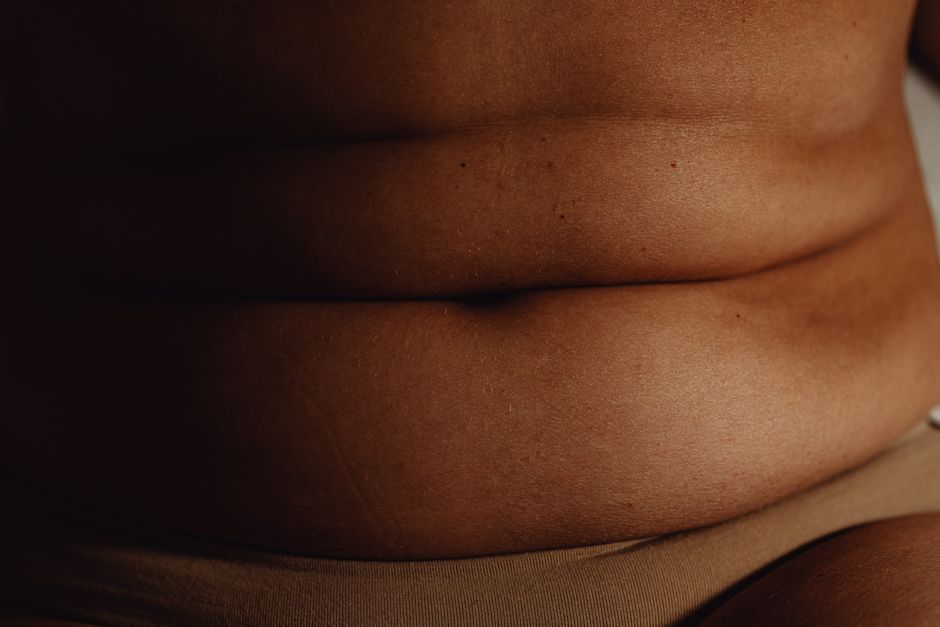
If your belly feels hard and tight even when you are not flexing, it is usually a sign of digestive issues, muscle tension, or excess gas. A hard belly is not the same as belly fat — it often comes from bloating, constipation, or how your body processes food. While it can be uncomfortable, it is rarely dangerous, though it can point to underlying conditions worth understanding.
What Causes a Hard Belly?
A hard belly usually comes from trapped gas, stool buildup, or muscle tightness. The most common cause is bloating from gas in the intestines. When gas cannot pass easily, it stretches the intestinal walls and makes the abdomen feel tight and distended.
Constipation is another frequent cause. When stool sits in the colon longer than normal, it creates a firm, full feeling. The CDC reports that about 16% of US adults experience chronic constipation, and a hard belly is one of the main complaints.
Muscle tension also plays a role. If you hold stress in your core or do abdominal exercises, your muscles can stay slightly contracted. This creates a hard surface when you touch your belly, even if there is no gas or stool issue.
Is a Hard Belly the Same as Belly Fat?
No. Belly fat feels soft and pinchable because it sits under the skin. A hard belly feels firm and tight because it comes from inside the abdominal cavity — gas, stool, or muscle tension pressing outward.
Many people confuse the two. You can have a hard belly with very little body fat. A thin person can look bloated and feel hard after a large meal or during a constipation episode. Belly fat builds slowly over time. A hard belly can appear in hours.
Research published in the journal Gastroenterology found that bloating severity does not correlate with body weight. People of all sizes report hard, tight bellies from digestive issues.
How Do Digestive Issues Make Your Belly Hard?
Gas is the main culprit. When you swallow air or eat foods that ferment in the gut, bacteria produce hydrogen, methane, or carbon dioxide. This gas accumulates and stretches the intestines. Your abdominal wall tenses in response, creating a hard feel.
Food intolerances are common triggers. Lactose in dairy, fructose in fruit, and FODMAPs in wheat and beans cause gas in people who cannot digest them fully. The National Institute of Diabetes and Digestive and Kidney Diseases estimates that 68% of the world population has some degree of lactose malabsorption.
Constipation makes things worse. When stool moves slowly through the colon, bacteria have more time to ferment it. This produces extra gas on top of the stool backup. The combination creates a hard, distended belly that does not go away until you pass stool.
Some people also have a condition called abdominophrenic dyssynergia. This is a fancy way of saying the diaphragm and abdominal muscles do not coordinate properly during breathing. Instead of relaxing to make room for gas, the muscles stay tight. This traps gas and makes the belly feel hard even when there is not much gas present.





When Should You Worry About a Hard Belly?
A hard belly from gas or constipation is usually harmless. But there are signs that something more serious is happening. If the hardness comes with severe pain that does not go away, vomiting, fever, or blood in your stool, you need medical attention.
One condition to know about is ascites. This is fluid buildup in the abdomen, often from liver disease, heart failure, or certain cancers. Ascites makes the belly feel hard and look swollen. It differs from gas bloating because the hardness does not come and go — it stays and slowly worsens. If your belly feels hard every day and you also have swelling in your legs or shortness of breath, see a doctor.
Another rare but serious cause is a bowel obstruction. This happens when something blocks the intestine, preventing food or gas from passing. The belly becomes hard, painful, and distended. You may vomit and be unable to pass gas or stool. This is a medical emergency.
In women, ovarian tumors or cysts can cause a hard lower belly. These are not common, but if the hardness is localized to one side and comes with pelvic pain or changes in your period, it is worth getting checked.
What Actually Helps Reduce a Hard Belly?
For gas-related hardness, movement helps. Walking stimulates intestinal contractions that push gas through. A 2021 study in Clinical Gastroenterology and Hepatology found that 20 minutes of walking after meals reduced bloating scores by 30% compared to sitting.
Changing how you eat works too. Eating slowly, chewing food completely, and not talking while eating reduces the air you swallow. Avoiding carbonated drinks and chewing gum also cuts down on swallowed air.
For constipation, fiber and water are the first line of defense. The American Gastroenterological Association recommends 25 to 35 grams of fiber per day for adults. But increase fiber slowly — adding too much at once makes gas worse. Drink at least eight cups of water daily to help fiber work.
Probiotics help some people, but the evidence is mixed. A review in Nutrients found that certain strains like Bifidobacterium infantis reduced bloating in people with irritable bowel syndrome. But not all probiotics work the same, and some may make bloating worse. It is worth trying one strain for two weeks and stopping if symptoms do not improve.
| Cause | Key Sign | What Helps |
|---|---|---|
| Gas from food | Belly hardens after meals, passes gas relieves it | Walking, slow eating, avoiding trigger foods |
| Constipation | Belly stays hard for days, infrequent bowel movements | Fiber, water, magnesium supplements |
| Muscle tension | Belly hard when stressed or after exercise | Deep breathing, stretching, relaxation |
| Ascites | Belly hard and swollen daily, legs swollen too | Doctor evaluation required |
| Bowel obstruction | Hard belly with severe pain, vomiting, no gas | Emergency medical care |
What Makes a Hard Belly Worse?
Certain habits make a hard belly more likely. Eating large meals stretches the stomach and pushes on the intestines. This slows digestion and traps gas. Eating smaller, more frequent meals helps.
High-sodium foods cause water retention. When your body holds extra fluid, it can make your belly feel tight and hard. Processed foods, canned soups, and restaurant meals are the biggest sources of hidden salt. The American Heart Association recommends keeping sodium under 2,300 milligrams per day.
- Carbonated drinks introduce gas directly into your digestive tract.
- Chewing gum and drinking through straws make you swallow extra air.
- Lying down right after eating slows digestion and traps gas.
- Stress tightens your abdominal muscles and slows gut movement.
Some medications also contribute. Opioids slow the gut and cause severe constipation. Antihistamines, calcium supplements, and some blood pressure drugs can also make constipation worse. If you started a new medication and noticed a hard belly, check with your pharmacist.
Why Is Your Belly Hard in the Morning vs. at Night?
Many people notice their belly is flattest and softest in the morning. This is normal. Overnight, your digestive system has time to empty. Gas and stool are at their lowest levels. Your muscles are relaxed from sleep.
As the day goes on, your belly tends to get harder. Eating adds volume to the digestive tract. Swallowing air during meals adds gas. By evening, most people have some degree of abdominal distension. A study in The American Journal of Gastroenterology measured belly circumference throughout the day and found it increased by an average of 2 to 3 centimeters from morning to night in healthy adults.
This daily pattern is normal. What is not normal is waking up with a hard belly that stays hard all day. That suggests something is not clearing overnight — either constipation, fluid retention, or a structural issue. If your belly is hard first thing in the morning for several days in a row, pay attention to your bowel habits and consider seeing a doctor.
Frequently Asked Questions
Can stress cause a hard belly?
Yes, stress tightens the abdominal muscles and slows digestion, which can make your belly feel hard. Managing stress with deep breathing or light exercise often helps.
Does drinking water help a hard belly?
Yes, water helps move stool through the colon and reduces constipation-related hardness. It does not directly fix gas but it helps the digestive system work better overall.
Is a hard belly a sign of pregnancy?
In early pregnancy, the uterus expands and can make the lower belly feel firm, but this is usually not the first sign. A pregnancy test is the most reliable way to know.
How long does a hard belly from gas last?
Gas-related hardness usually resolves within a few hours after passing gas or having a bowel movement. If it lasts longer than 24 hours, constipation or another issue may be involved.
