
Every few seconds, someone somewhere needs a blood transfusion. The blood they receive often comes from a stranger with Type O blood. This is not random. Type O blood is called the universal donor because it can be given to patients with any other blood type in an emergency. The reason comes down to the antigens — the markers — sitting on the surface of your red blood cells. If you have Type O negative blood, you have no A or B antigens at all. That means your immune system’s attack signal is never triggered in a recipient. Here is exactly how that works and why it matters.
Why Is Type O Blood The Universal Donor?
Type O blood is the universal donor because its red blood cells carry no A or B antigens. Antigens are protein markers on the surface of red blood cells. Your immune system uses these markers to tell your own cells apart from foreign invaders. If a patient receives blood with antigens their body does not recognize, their immune system attacks the donated cells. This can cause a severe, sometimes fatal reaction.
Type O negative red blood cells have no A antigens, no B antigens, and no Rh factor. With no markers on the surface, there is nothing for the recipient’s immune system to target. This is why hospitals use Type O negative blood in trauma bays and emergency rooms when there is no time to test a patient’s blood type. The blood is compatible with everyone because it presents no foreign markers.
Type O positive blood is also considered universal for red blood cell transfusions, but only for patients who are Rh positive. O negative remains the only truly universal option because it works for both Rh positive and Rh negative recipients.
What Do Blood Types Actually Mean?
Your blood type is determined by the presence or absence of two main antigen groups: the ABO system and the Rh system. The ABO system has four main types: A, B, AB, and O. The Rh system adds a positive or negative sign based on whether the Rh D antigen is present.
- Type A has A antigens and anti-B antibodies.
- Type B has B antigens and anti-A antibodies.
- Type AB has both A and B antigens and no ABO antibodies.
- Type O has no A or B antigens but has both anti-A and anti-B antibodies.
The antibodies in your plasma attack any blood type that carries antigens you lack. A person with Type A blood has anti-B antibodies. If they receive Type B blood, those antibodies attack the B antigens and destroy the transfused cells. A person with Type O blood has antibodies against both A and B. They can only receive Type O blood themselves. But because their red cells carry no antigens, their blood is safe to give to anyone.
Why Is O Negative So Rare and So Important?
O negative blood is the rarest of the universal types. The exact percentage varies by population, but it is generally found in a small minority of people. Because it works for every patient, the demand for O negative is constant and often urgent.
Hospitals keep O negative units on hand for emergencies. When a trauma patient arrives with massive bleeding, there is no time to run a blood type test. The medical team grabs O negative blood because it is the only safe choice. This practice is standard in emergency medicine. It saves lives every day, but it depends entirely on a steady supply of O negative donors.
O positive is more common and still serves as a universal donor for Rh positive patients. About 4 out of 5 people are Rh positive. So O positive blood covers a large portion of the population, just not everyone. O negative covers all of them.
What About Plasma and Platelets?
The universal donor rule for whole blood and red cells does not apply the same way to plasma. Plasma is the liquid part of blood that carries antibodies. Type AB plasma is actually the universal plasma donor, not Type O.
Here is why. Type AB blood has no anti-A or anti-B antibodies. So when AB plasma is given to any patient, it introduces no antibodies that would attack their red blood cells. Type O plasma, on the other hand, contains both anti-A and anti-B antibodies. Giving Type O plasma to a non-O patient can cause a transfusion reaction because those antibodies attack the recipient’s red cells.
Platelets follow different rules too. Platelets have their own antigen profile, and matching is often based on specific platelet antigens rather than just ABO. In practice, hospitals try to match platelets as closely as possible. O negative platelets are not automatically universal.
This distinction matters. When someone says Type O is the universal donor, they are talking about red blood cells. For plasma, the universal donor is Type AB. For platelets, compatibility is more complex and depends on additional factors.
Can Type O Blood Cause Any Problems in Recipients?
Even O negative blood is not completely risk-free. The red cells themselves are safe for any recipient. But the plasma in the donated unit still contains anti-A and anti-B antibodies. In a standard transfusion, the red cells are separated and concentrated, so the amount of plasma is small. For most patients, this is not an issue.
In some cases, such as massive transfusions or transfusions to infants, the antibodies in donor plasma can cause a mild reaction. This is why hospitals prefer to give type-specific blood whenever possible. O negative is the emergency default, not the ideal long-term match. Once a patient’s blood type is known, the blood bank switches them to their own type.
There is also the matter of other blood group systems. The ABO and Rh systems are the most important, but there are dozens of other minor blood group antigens. In routine transfusions, these are not usually matched. In patients who need many transfusions over time, such as those with sickle cell disease, closer matching is done to reduce the risk of developing antibodies.
How Is Blood Type Determined?
Blood type is inherited from your parents. The ABO gene has three versions: A, B, and O. You get one version from each parent. A and B are dominant, meaning if you inherit either one, that antigen will appear on your cells. O is recessive, so you only have Type O blood if you inherit the O version from both parents.
The Rh factor is inherited separately. The Rh D gene is dominant. If you inherit at least one Rh positive gene, you are Rh positive. You are Rh negative only if you inherit the Rh negative version from both parents.
This is why blood type runs in families but can surprise people. Two parents with Type A blood can have a child with Type O blood if both parents carry the recessive O gene. The child inherits O from both and ends up with Type O.
Knowing your blood type is simple. A blood test can determine it in minutes. Many people learn their type during routine blood donation. If you have never been tested, you may not know your type until you need a transfusion or decide to donate.
Why Donating O Negative Blood Matters
Blood banks constantly need O negative donors. The supply is always in demand because hospitals cannot predict when trauma cases will arrive. A single car accident can use dozens of units. When the supply runs low, hospitals may have to delay elective surgeries or use blood substitutes that are less effective.
If you are O negative, your donation has an outsized impact. One donation can help multiple patients. Red blood cells can be separated from plasma and platelets, and each component can go to a different person. Your single donation can literally save several lives.
If you are O positive, your blood is still valuable. It is the most commonly requested type for Rh positive patients. The American Red Cross and other blood collection organizations regularly report shortages of both O positive and O negative blood.
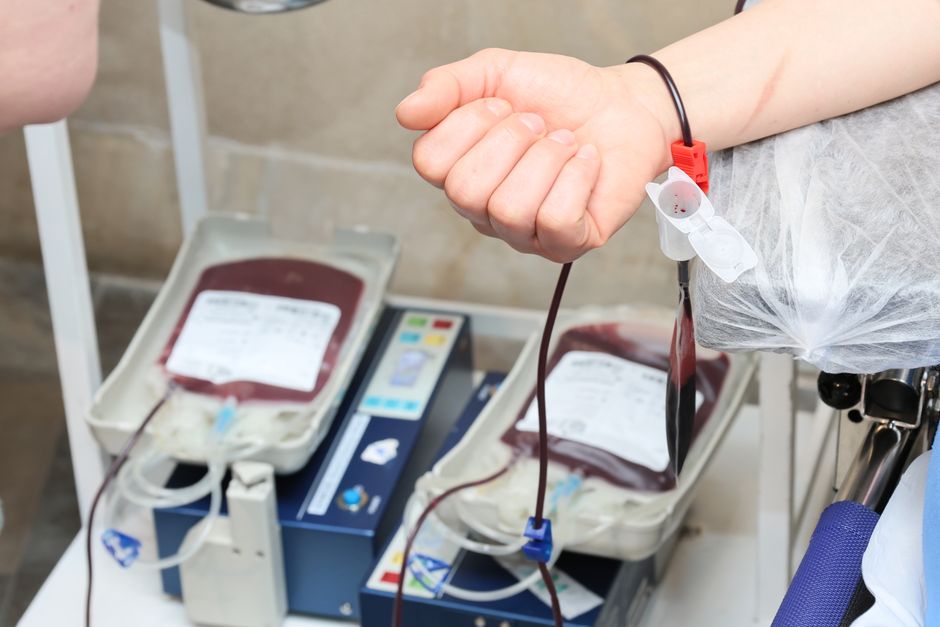
Donating blood is safe for most healthy adults. The process takes about an hour from check-in to finish. The actual donation takes about 10 minutes. Your body replaces the fluid within a day or two and the red cells within a few weeks.
Frequently Asked Questions
Is O negative blood always available in hospitals?
No. O negative is the most in-demand blood type and shortages are common. Blood banks work constantly to maintain supply, but trauma cases can deplete reserves quickly.
Can someone with Type O blood receive any blood type?
No. People with Type O blood can only receive Type O blood. Their plasma contains antibodies against both A and B antigens, so any other type would trigger an immune reaction.
Why is AB plasma considered universal instead of O plasma?
AB plasma contains no anti-A or anti-B antibodies. Type O plasma contains both, so it can attack a recipient’s red blood cells. For plasma transfusions, AB is the universal donor type.
How often can someone with O negative blood donate?
Whole blood donation is generally allowed every 56 days in the United States. Some centers allow more frequent donation of specific components like platelets, but red blood cell donation follows this standard interval.
