
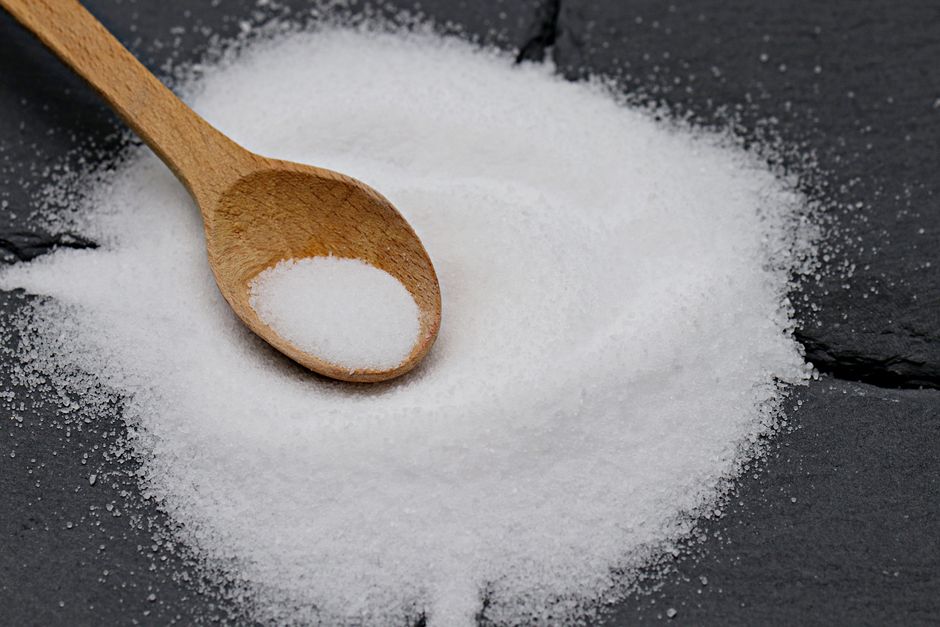
Sodium is an essential mineral. Your body needs it to conduct nerve signals, contract muscles, and maintain the right balance of fluids around your cells. The problem is not sodium itself — it is the amount most Americans eat. The Centers for Disease Control and Prevention estimates that the average US adult consumes about 3,400 milligrams of sodium per day, well above the 2,300-milligram daily limit recommended by the Dietary Guidelines for Americans. That gap matters because excess sodium raises blood pressure, and high blood pressure is a leading cause of heart disease and stroke.
Why Is Too Much Sodium Bad for Your Body?
Sodium pulls water into your bloodstream. When you eat more than your body needs, the extra sodium causes your blood vessels to hold onto more fluid. That extra fluid raises the pressure inside your arteries.
Over time, this added pressure damages the lining of blood vessels. Stiff, damaged arteries make the heart work harder. The kidneys also take a hit, since they filter blood under pressure. This is why the American Heart Association and most major health organizations list high sodium intake as a major contributor to hypertension.
Not everyone responds to sodium the same way. Some people are more sodium-sensitive than others. This means their blood pressure rises more sharply when they eat salty food. Research suggests that older adults, Black adults, and people who already have high blood pressure tend to be more sensitive to sodium’s effects. The reasons are not fully understood, but genetics and kidney function likely play a role.
The damage from excess sodium is usually silent. High blood pressure rarely causes symptoms until it has already caused harm. That is what makes it dangerous.
How Does Sodium Raise Blood Pressure?
The mechanism is well established. Sodium and water move together in the body. When sodium levels rise, your body retains water to keep the concentration of sodium in your blood within a safe range. More water in your blood means more volume. More volume means more pressure against artery walls.
Your kidneys are the main regulator here. In healthy people, the kidneys can usually excrete excess sodium. But when intake is consistently high, the kidneys cannot keep up. The result is a gradual rise in blood pressure over months and years.
There is another factor: sodium can stiffen the walls of arteries over time. Stiff arteries cannot relax the way healthy ones do. This makes blood pressure harder to control, even when you are resting.
Some research also suggests that high sodium intake may affect the lining of blood vessels directly, reducing the ability of blood vessels to widen when needed. This effect appears to happen even before blood pressure reaches the level of a clinical diagnosis. The evidence here is still developing, but it points in the same direction.
What Health Conditions Are Linked to High Sodium Intake?
High blood pressure is the most direct and well-documented consequence. But it is not the only one.
- Heart disease and stroke. High blood pressure is a leading risk factor for both. Damage to arteries from years of elevated pressure increases the risk of heart attack and stroke.
- Kidney disease. The kidneys filter about 50 gallons of blood per day. Constant high pressure can damage the tiny filters inside them, reducing their ability to clean waste from the blood.
- Heart failure. When the heart has to pump against higher pressure for years, its walls thicken and it becomes less efficient. Eventually, it may not be able to pump enough blood for the body’s needs.
- Osteoporosis. Some studies suggest that high sodium intake increases calcium loss through urine. Over time, this could contribute to bone loss, though the evidence is not as strong as it is for blood pressure.
- Stomach cancer. The World Health Organization and other health agencies note an association between high salt intake and increased risk of stomach cancer. This is based on population studies and is considered a probable link, not a proven cause.
These conditions rarely develop from a single high-sodium meal. They develop from years of eating more sodium than the body can handle.





How Much Sodium Is Too Much?
The Dietary Guidelines for Americans recommend limiting sodium to no more than 2,300 milligrams per day. That is about one teaspoon of table salt. The American Heart Association takes a stricter position, suggesting an ideal limit of no more than 1,500 milligrams per day for most adults, especially those with high blood pressure.
Here is the reality: most people in the US consume around 3,400 milligrams per day. That is roughly 50 percent more than the recommended limit. The excess is not coming primarily from the salt shaker. It comes from processed and restaurant foods.
According to the CDC, more than 70 percent of the sodium in the average American diet comes from packaged and prepared foods. Bread, pizza, cold cuts, canned soups, and restaurant meals are among the biggest sources. Even foods that do not taste salty — like some breakfast cereals and breads — can contain significant sodium.
There is no established clinical guideline for a “safe” upper limit of sodium for all people. The 2,300-milligram figure is a recommended limit, not a toxicity threshold. But the evidence consistently shows that lower intake is associated with lower blood pressure and reduced cardiovascular risk.
Can You Cut Back on Sodium Without Losing Flavor?
Yes. The palate adjusts. Research on taste adaptation suggests that people who reduce sodium gradually begin to perceive salty foods as saltier within a few weeks. The change is real and measurable.
Here are practical steps that align with guidance from major health organizations:
- Read nutrition labels. Look at the milligrams of sodium per serving, not just the front of the package.
- Choose fresh or frozen vegetables instead of canned ones when possible. If you use canned vegetables, rinse them before cooking. Rinsing can remove a meaningful amount of surface sodium.
- Cook more meals at home. Restaurant food, especially from fast-food and chain restaurants, tends to be much higher in sodium than home-cooked food.
- Use herbs, spices, citrus, and vinegar to add flavor instead of salt.
- Be aware of condiments. Soy sauce, ketchup, salad dressings, and many sauces are concentrated sources of sodium.
- Watch processed meats. Bacon, sausage, deli turkey, and ham are among the highest-sodium foods in the typical American diet.
Some people may benefit from a formal low-sodium diet plan, especially those with diagnosed hypertension or kidney disease. In those cases, a doctor or registered dietitian can provide specific guidance. No single approach works for everyone, and the evidence on which specific dietary pattern is most effective for sodium reduction is still evolving.
Does Everyone Need to Worry About Sodium?
Not everyone is equally affected. Some people can eat a high-sodium diet for years without developing high blood pressure. But there is no reliable way to know in advance who is sodium-sensitive and who is not.
What the evidence does show is that lowering sodium intake reduces blood pressure in most people, even those without hypertension. The effect is modest in some and larger in others. But across large populations, the pattern is consistent: lower sodium intake is linked to lower rates of heart disease and stroke.
Certain groups are at higher risk from excess sodium. These include:
- People over age 50. Blood pressure tends to rise with age, and sodium sensitivity increases.
- Black adults. Research consistently shows higher rates of sodium sensitivity and hypertension in this group.
- People with existing high blood pressure, kidney disease, or heart failure.
- People who take medications that affect fluid balance, such as diuretics or certain blood pressure medications.
For these groups, reducing sodium is not optional. It is part of managing a condition that can cause serious harm if left unchecked.
There is one more point worth making. Sodium is not the only factor in blood pressure. Potassium, which is found in fruits, vegetables, beans, and lentils, helps the body excrete sodium and relax blood vessel walls. Most Americans do not get enough potassium. Increasing potassium intake from food sources is associated with lower blood pressure in many studies. The evidence for potassium supplements is less clear, and supplements can be dangerous for people with kidney disease. Food sources are the safer bet.
None of this means you need to eliminate sodium. Your body needs some to function. The goal is to bring intake closer to the recommended range — not to zero.
Frequently Asked Questions
How much sodium per day is too much?
The Dietary Guidelines for Americans recommend no more than 2,300 milligrams per day for most adults. The American Heart Association suggests an ideal limit of 1,500 milligrams per day, especially for people with high blood pressure.
What are the symptoms of eating too much sodium?
High sodium intake usually causes no immediate symptoms. Over time, it can raise blood pressure, which also typically has no symptoms until it causes serious damage. Some people may notice bloating or swelling from fluid retention after a very salty meal.
Can too much sodium cause kidney damage?
Yes. Chronic high sodium intake raises blood pressure, and high blood pressure is a leading cause of kidney disease. The kidneys filter blood under pressure, and constant elevated pressure can damage their filtering units over time.
Does drinking more water help flush out excess sodium?
Drinking water helps your kidneys excrete sodium, but it does not cancel out a consistently high-sodium diet. The most effective approach is to reduce sodium intake from food, especially processed and restaurant foods.
