
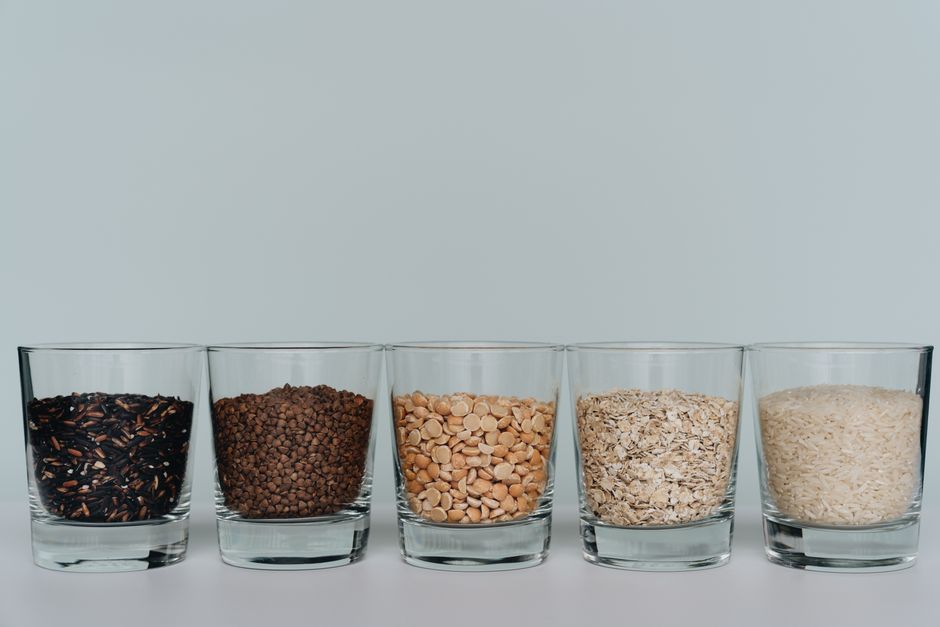
Rice takes up more arsenic from soil and water than most other crops. That is why it contains more arsenic than wheat, barley, or most fruits and vegetables. The arsenic is mostly inorganic, the form linked to health risks with long-term exposure. For most adults eating rice as part of a varied diet, the risk is low. But rice is not a trivial source, and some groups should pay closer attention.
Why Is There Arsenic In Rice And Is It Harmful?
Arsenic is a natural element in rocks, soil, and groundwater. It is also a leftover from past use of arsenic-based pesticides and from some industrial activity. Rice plants absorb it because of how they grow.
Rice is usually grown in flooded fields. When soil is waterlogged, oxygen runs out and the chemistry changes. Arsenic that would otherwise stay bound to soil particles becomes more soluble and more available to the plant. Rice also has transport proteins in its roots that take up silicon, and those same proteins let arsenic in. Both factors help explain why rice accumulates more arsenic than other grains.
The arsenic in rice is mostly inorganic arsenic. This is the form that health agencies treat as the main concern. Organic arsenic compounds, such as arsenobetaine found in fish, are far less toxic. That distinction matters because “organic” here is a chemistry term, not a safety label.
Whether it is harmful depends on how much you eat, what else is in your diet, and who you are. The evidence for harm comes mainly from populations drinking arsenic-contaminated water over many years. In those settings, high inorganic arsenic exposure is linked to skin changes, cardiovascular disease, and several cancers, including skin, bladder, and lung cancer. Whether lower-level exposure from food carries measurable risk over a lifetime is an active research question. The evidence there is less certain, and honest scientists say so.
How Much Arsenic Is In Rice?
Levels vary widely by region, water source, and growing method. Rice from parts of South Asia grown in arsenic-contaminated groundwater can contain much more than rice grown elsewhere. US-grown rice tends to be lower, though it is not arsenic-free.
In the United States, the Food and Drug Administration has monitored arsenic in rice and rice products for years. The agency has not set a legal limit for inorganic arsenic in most rice. It has issued guidance for infant rice cereal, recommending that manufacturers keep inorganic arsenic at or below 100 parts per billion. That step reflects concern about infants specifically, not a finding that adult rice is unsafe.
Brown rice generally contains more arsenic than white rice. Arsenic concentrates in the outer layers and germ, which are removed to make white rice. Brown rice keeps those layers, along with fiber and nutrients. This is a real trade-off, not a reason to avoid brown rice.
Does Cooking Rice Reduce Arsenic?
Yes, cooking can lower arsenic levels, and the method matters. Arsenic is water-soluble, so some of it moves into the cooking water.
Research published in PLOS ONE found that cooking rice in a large excess of water and draining it removed a meaningful share of the arsenic. The trade-off is that some nutrients leach out too. The same study found that this method reduced arsenic more than cooking with just enough water to be absorbed.
A practical approach some researchers describe is to rinse rice, then cook it in a larger volume of water than usual and drain the excess. This is not an official recommendation from a health agency, and results vary by rice type. It is a reasonable step if you eat rice often, especially for young children. It will not remove all the arsenic.
Who Should Be Most Careful About Arsenic In Rice?
Some groups have more reason to pay attention than others. The concern is about repeated exposure over time, not a single serving.
- Infants and young children. They are smaller and their bodies are still developing. Health agencies advise limiting rice drinks as a substitute for breast milk or formula. Rice drinks are not appropriate for this use in young children.
- Pregnant women. Fetal development is a sensitive window. The general guidance is to eat a varied diet rather than relying heavily on rice.
- People who eat rice daily or several times a day. Frequency and portion size drive total exposure. If rice is a staple, varying the grains you eat lowers the load.
- People with celiac disease or gluten sensitivity. Many gluten-free products use rice flour, so rice intake can climb without anyone noticing.
For most adults, the bigger dietary picture matters more than any single food. Rice is a staple for billions of people and a source of calories and nutrients. The goal is variety, not avoidance.
What About Arsenic In Rice Milk And Rice Products?
Rice drinks and some rice-based products can carry higher concentrations than cooked rice because they are concentrated. Rice syrup, used as a sweetener in some foods, can also contain arsenic. Some research has found elevated arsenic in certain rice-based sweeteners.
The clearest guidance concerns rice drinks for young children. Health agencies advise against using rice drinks as a milk substitute for infants and young children. For older children and adults, an occasional rice drink is unlikely to be a concern, but it is not a good daily staple if you are trying to keep arsenic intake low.
Gluten-free diets deserve a mention. People avoiding gluten often lean on rice flour, rice pasta, and rice crackers. That can push rice intake well above average. Rotating in other gluten-free grains, such as oats, quinoa, corn, and buckwheat, spreads the exposure.
How Can You Lower Arsenic From Rice?
You do not need to give up rice. A few habits reduce exposure without much effort.
- Vary your grains. Rotate rice with oats, wheat, barley, corn, and other grains across the week.
- Rinse before cooking. Rinsing removes some surface arsenic and dust.
- Cook with extra water and drain. This lowers arsenic more than absorption cooking, though it also leaches some nutrients.
- Watch rice drinks for kids. Keep them out of the daily diet of infants and young children.
- Check the source. Rice grown in regions with contaminated water can be higher. US-grown rice is generally lower, though not free of arsenic.
One clarification worth knowing: arsenic in rice is not a sign of contamination or a bad batch. It is a natural feature of how rice grows. The question is how much you eat over years, not whether one bag is “safe.”
Is Arsenic In Rice A Reason To Stop Eating Rice?
No. For most people, rice is a healthy food, and the evidence does not support avoiding it. The concern is about reducing unnecessary exposure over a lifetime, not eliminating a staple.
Rice provides carbohydrates, some protein, and B vitamins, and it is central to many traditional diets. The practical message from health agencies is variety and moderation, with extra care for infants and young children. That is a measured position, and it fits what the evidence actually shows. The risk from rice is real but small for most adults. The bigger lever is not one food. It is the overall pattern of what you eat.
Frequently Asked Questions
Is arsenic in rice dangerous?
For most adults eating rice as part of a varied diet, the risk is low. The concern is long-term, high intake, and it matters most for infants and young children.
Does washing rice remove arsenic?
Rinsing removes some surface arsenic, and cooking in excess water and draining removes more. Neither method removes all of it.
Is brown rice higher in arsenic than white rice?
Yes, brown rice generally contains more arsenic because the outer layers and germ are kept. It also has more fiber and nutrients, so the choice is a trade-off.
Can babies drink rice milk?
No. Health agencies advise against using rice drinks as a milk substitute for infants and young children because of arsenic exposure.
