
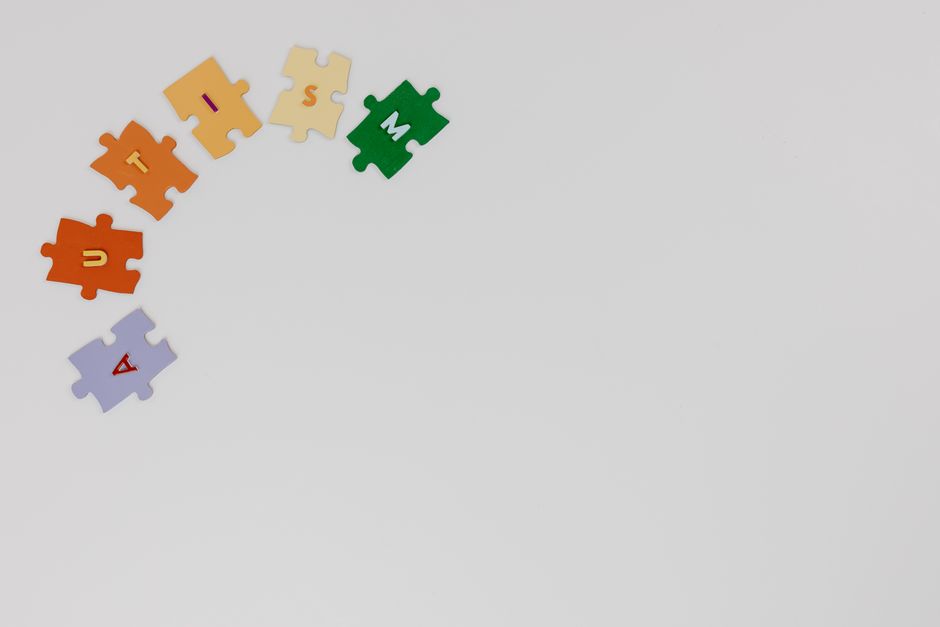
The puzzle piece became a symbol for autism through the logo of the National Autistic Society in the United Kingdom, designed in 1963. The organization’s founders wanted an image that suggested autism was a puzzling condition that needed to be understood. That single design choice spread to the United States and around the world over the following decades. Today the symbol is widely recognized — and widely debated.
Why Is The Puzzle Piece a Symbol for Autism?
The puzzle piece traces back to 1963, when Gerald Gasson, a parent and board member of the National Autistic Society in London, proposed a logo featuring a puzzle piece with a crying child inside it. The design was intended to represent the “puzzling” nature of autism and the distress families experienced. It reflected the thinking of its era — that autism was a mysterious condition to be solved.
The symbol crossed the Atlantic and was later adopted by Autism Speaks, the large US advocacy organization founded in 2005. Its version used a blue puzzle piece, and the blue color became strongly associated with the symbol in the United States. For many years, the puzzle piece was the default visual shorthand for autism in fundraising campaigns, awareness ribbons, and school bulletin boards.
The key point is that the puzzle piece was never chosen by autistic people. It was created by non-autistic parents and adopted by organizations run largely by non-autistic leaders. That origin is central to why it is now contested.
What Does the Puzzle Piece Symbol Actually Mean?
The intended meanings have shifted over time. In its original context, the piece stood for mystery and the search for answers. Later marketing often framed it as representing the “pieces” of autism that research would eventually fit together — implying autism was an incomplete picture waiting to be solved.
Those meanings carry an implicit message. A puzzle piece is something that is missing, unfinished, or out of place until it is fitted into a larger picture. When applied to people, that framing suggests an autistic person is incomplete or needs to be “solved.”
Autism is a lifelong neurological difference, not a disease to be cured or a riddle to be cracked. Many autistic adults say the puzzle metaphor misrepresents their experience. They do not feel like a missing piece. They feel like whole people whose minds work differently.
Why Do Many Autistic People Object to the Puzzle Piece?
Objection to the puzzle piece centers on a few connected concerns. Some research and commentary has looked at how the symbol affects public attitudes, though the evidence base is limited and results vary. The objections themselves are clear and well documented in autistic community writing.
- The “missing piece” implication. A puzzle piece suggests something is absent or broken. Many autistic people find this dehumanizing.
- The child-centered imagery. The symbol has long been paired with images of children, which reinforces the idea that autism is a childhood condition. Autism is lifelong, and autistic adults exist.
- The cure framing. The puzzle piece was historically tied to organizations that framed autism as a tragedy to be eliminated. Many autistic people reject the goal of a “cure.”
- Lack of input. The symbol was imposed on the community rather than chosen by it.
The blue color has its own history of criticism. Some advocacy groups promoted a “light it up blue” campaign, and autistic self-advocates countered with a red-themed alternative to signal opposition. The color debate is symbolic, but it maps onto a real disagreement about who gets to speak for autistic people.





What Symbols Have Replaced the Puzzle Piece?
The most widespread alternative is the infinity symbol, usually rendered in gold, or in a rainbow of colors to reflect neurodiversity. The infinity sign represents the idea that neurological differences are a natural and endless part of human variation — not a problem to be fixed.
In 2017, the Autistic Self Advocacy Network and other groups promoted the gold infinity symbol as a community-chosen alternative. The rainbow infinity is also common and signals the broad neurodiversity movement, which includes autism alongside conditions such as ADHD and dyslexia.
Some organizations have moved away from the puzzle piece entirely, while others still use it or have adopted a mix of symbols. This is a genuinely unsettled area. Change is happening but is not uniform across the field.
Is the Puzzle Piece Still Used Today?
Yes. The puzzle piece remains in wide use, especially in the United States, by schools, charities, and some advocacy organizations. It appears on awareness merchandise, event branding, and educational materials.
At the same time, a growing number of autism organizations have distanced themselves from it. Some have adopted the infinity symbol or shifted to language and imagery developed with autistic input. The trend is toward symbols chosen by the community rather than for it.
For readers trying to make sense of a symbol they see in their community, the practical takeaway is this: the puzzle piece is not neutral. It carries a history and a set of assumptions. Knowing that history helps you understand why some autistic people embrace it and many do not.
How Should You Talk About Autism Symbols?
The most reliable guide is to listen to autistic people themselves, while recognizing that autistic people are not a monolith and hold a range of views. Some individuals are indifferent to the puzzle piece. Many find it harmful.
When in doubt, the infinity symbol is the safer choice for inclusive settings, because it was adopted by autistic-led advocacy and signals acceptance rather than mystery. If you run a school, workplace, or event, asking autistic community members what they prefer is more useful than guessing.
One clarification worth knowing: the puzzle piece is not an official medical or diagnostic symbol. It has no clinical standing. It is a cultural and marketing symbol, which is exactly why its meaning is open to debate and can change.
Does the Puzzle Piece Cause Harm?
The symbol itself is not physically harmful. The concern is about attitudes. When autism is framed as a puzzle to be solved, it can shape how non-autistic people view autistic people — as incomplete, mysterious, or in need of fixing.
Whether the symbol measurably changes public attitudes is not well established. No large body of controlled research confirms a direct effect on outcomes such as acceptance or inclusion. The objections rest more on lived experience and the logic of the metaphor than on trial data. That distinction matters for an honest discussion.
What is clear is that language and symbols shape expectations. Many autistic advocates argue that respectful representation contributes to better inclusion in schools, workplaces, and health care. The evidence for that broader claim is mixed but the reasoning is sound, and the trend in the field is toward symbols the community endorses.
Frequently Asked Questions
Who created the puzzle piece symbol for autism?
It originated in 1963 with the National Autistic Society in the United Kingdom, based on a design proposed by board member Gerald Gasson. It was later adopted and popularized in the US, notably by Autism Speaks.
Why do autistic people dislike the puzzle piece?
Many say it implies they are missing pieces or incomplete, and it was chosen by non-autistic people rather than the community. Views vary, and not every autistic person objects to it.
What symbol is used instead of the puzzle piece?
The infinity symbol, often in gold or rainbow colors, is the most common alternative. It represents neurodiversity and was adopted by autistic-led advocacy groups.
Is the puzzle piece still used for autism awareness?
Yes, it remains common in the US on merchandise and event branding. However, a growing number of organizations have shifted to the infinity symbol or other community-endorsed imagery.
