
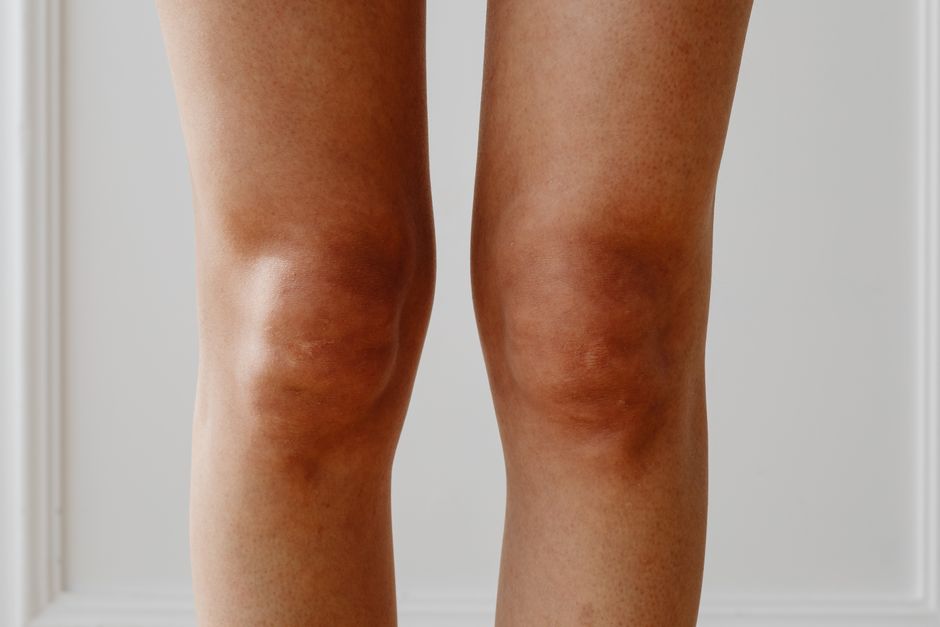
An itch behind the knee is usually a skin problem, not a joint problem. The crease back there is warm, moist, and constantly rubbed by movement, which makes it a common spot for eczema, fungal infections, and chafing. The right fix depends on which one you have, because the treatments are different and using the wrong one can make things worse.
Why Is The Back Of My Knee Itchy And How To Stop It?
The back of the knee is a fold of skin. Folds trap heat and moisture, rub against themselves, and get less airflow than flat surfaces. That combination creates conditions some skin problems thrive in and others get irritated by.
Most itchiness there falls into a handful of causes. The most common are eczema, fungal infection, friction, and contact reactions. Less often it comes from nerve irritation, varicose veins, or a systemic condition.
Stopping the itch starts with identifying the cause. A moisturizer helps eczema. An antifungal helps a fungal infection. Neither helps the other, and a steroid cream used on a fungal infection can make it worse.
Here is the part people miss: the skin behind the knee bends and stretches thousands of times a day. Any treatment you apply there gets rubbed off faster than on most other body parts. That is one reason this area is stubborn.
What Causes Itchy Skin Behind The Knee?
Four causes account for most cases. Each has a distinct pattern, and the pattern is often enough to tell them apart.
Eczema (Atopic Dermatitis)
Eczema causes dry, inflamed, intensely itchy skin. In adults it often shows up in the creases of the body, including behind the knees and inside the elbows. The skin may look red or brownish, feel rough, and sometimes weep or crust.
Eczema is a chronic condition driven by a damaged skin barrier and an overactive immune response. It comes and goes. Itching often gets worse at night, and scratching damages the barrier further, which starts a cycle.
Fungal Infection
A fungal infection in a skin fold is sometimes called intertrigo when it involves the fold itself. It usually appears as a red rash with a defined edge, sometimes with smaller bumps just beyond the main area. It tends to be itchier in warm weather and after sweating.
Fungal rashes in skin folds are more common in people who sweat heavily, are overweight, have diabetes, or live in humid climates. The warm, dark crease behind the knee is a good environment for fungi.
Friction And Chafing
Repeated rubbing of skin against skin or against clothing can irritate the surface. This shows up as redness, a raw feeling, and itching or stinging. Tight pants, long walks, and humid days make it more likely.
Contact Dermatitis
This is a reaction to something touching the skin. Common triggers behind the knee include laundry detergent residue, fabric dyes, fragranced lotions, and the adhesive or material of a knee brace or compression sleeve. The rash usually matches the shape of what touched it.
How Can You Tell These Causes Apart?
You often cannot tell for certain by looking. A doctor can, and if the itch is persistent or spreading, that visit is worth making. Some general patterns can still point you in the right direction.
| Cause | Typical appearance | Key clue |
|---|---|---|
| Eczema | Dry, red or brownish, rough, may weep | History of eczema, asthma, or allergies; itches intensely, worse at night |
| Fungal infection | Red with a defined edge, may have satellite bumps | Worse with sweating and heat; often in both knee creases |
| Friction | Red, raw, tender | Follows activity or tight clothing; improves with rest |
| Contact dermatitis | Red, sometimes blistered, sharply bordered | Matches the shape of a product, brace, or fabric |
One important caution: a steroid cream will calm eczema and contact dermatitis but can worsen a fungal infection by suppressing the skin’s local immune response. If a rash is not improving after a week or two of self-care, or is getting worse, get it looked at rather than layering on more products.
What Actually Stops The Itch?
The single most effective step for most itchy skin is consistent moisturizing with a fragrance-free emollient. It repairs the skin barrier, which is the underlying problem in eczema and irritation. Apply it at least twice a day, and right after bathing while skin is still damp.
For short-term relief of the itch itself, a cool compress helps. So does an over-the-counter oral antihistamine, though it works better for allergy-driven itch than for eczema. Some people find the sedating type helpful at night mainly because it makes them sleepy.
Beyond that, treatment depends on the cause:
- Eczema: Fragrance-free moisturizers, avoiding triggers, and short courses of an over-the-counter hydrocortisone cream for flare-ups. Prescription options exist for stubborn cases.
- Fungal infection: An over-the-counter antifungal cream, applied as directed on the package, usually for several weeks. Keep the area dry.
- Friction: Reduce rubbing. Looser clothing, a barrier ointment, or a soft cloth between skin folds can help.
- Contact dermatitis: Identify and remove the trigger. Switch to fragrance-free detergent and skip fabric softener.
Do not use a combination steroid-antifungal cream without medical advice. These products exist, but using them when you do not need the steroid can cause problems, and they are not the right first step for a rash you have not identified.
When Should You See A Doctor?
See a doctor if the itch lasts more than two weeks despite self-care, if the rash is spreading, or if it is oozing, crusting, or painful. Those signs can point to a bacterial infection on top of the original problem, which needs different treatment.
Also get it checked if you have diabetes, poor circulation, or a weakened immune system. Skin problems in these groups can progress faster and need closer attention.
Seek care promptly if you notice red streaks spreading from the area, fever, or swelling that is getting worse. Those can signal a deeper infection.
One more reason not to ignore a persistent itch: itching without a visible rash, especially in one spot that does not change, is worth a medical look. It is usually nothing serious, but it is the kind of thing that is better checked than assumed.
What Makes The Back Of The Knee So Prone To Itching?
The anatomy explains a lot. Skin folds hold moisture against the surface, and moisture weakens the skin barrier over time. The crease also gets less air circulation, so sweat does not evaporate as quickly as it does on your forearm or shin.
Add constant movement. Every step bends and straightens the knee, which means the skin there is repeatedly stretched and compressed. That mechanical stress is enough to irritate already-compromised skin and to rub off topical products faster.
People who sit for long periods, wear tight clothing, or live in humid climates deal with all of these factors at once. That is why the back of the knee shows up so often as a trouble spot.
How Do You Prevent It From Coming Back?
Prevention comes down to keeping the skin barrier intact and the area dry. Neither is complicated, but both take consistency.
- Moisturize daily with a fragrance-free product, even when the skin looks fine.
- Pat the area dry after showering rather than rubbing, then moisturize while damp.
- Wear loose, breathable fabrics, especially during exercise or in heat.
- Wash workout clothes and towels regularly, and rinse detergent well.
- Avoid fragranced lotions, soaps, and detergents on or near the area.
- Keep the itch from becoming a scratch. Scratching breaks the barrier and invites infection.
If you have eczema, these habits are not optional extras. They are the foundation of managing it. Flares are often triggered by dryness, heat, sweat, or stress, so keeping the skin moisturized lowers the odds of a flare starting.
Frequently Asked Questions
Why is the back of my knee itchy?
The most common causes are eczema, a fungal infection in the skin fold, friction, or a reaction to something touching the skin. The crease is warm, moist, and constantly rubbed, which makes it prone to all four.
How do I stop the itch behind my knee?
Start with a fragrance-free moisturizer applied at least twice a day, plus a cool compress for quick relief. If it does not improve within two weeks, or it is spreading or oozing, see a doctor to identify the cause.
Can I use hydrocortisone cream on it?
It can help if the cause is eczema or contact dermatitis, but it can worsen a fungal infection. If you are not sure which you have, get it checked before using a steroid cream.
When should I worry about an itchy back of knee?
See a doctor if it lasts more than two weeks, spreads, or becomes painful, oozing, or crusted. Red streaks, fever, or worsening swelling need prompt care.
