
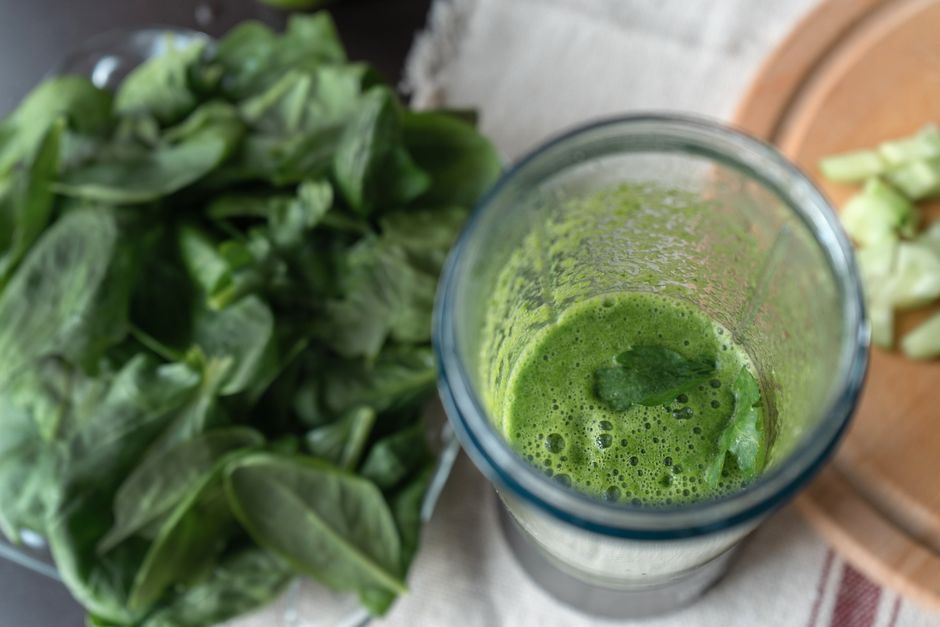
Spinach is one of the most nutrient-dense foods you can eat. A single serving provides a significant portion of your daily vitamin K and vitamin A needs, along with folate, iron, and magnesium — all for very few calories. The science shows that the combination of vitamins, minerals, and plant compounds in spinach supports blood pressure control, eye health, and cellular protection against oxidative stress.
What Makes Spinach So Nutrient-Dense?
Nutrient density means you get a high amount of vitamins and minerals relative to the calories you consume. Raw spinach is about 91% water and contains roughly 7 calories per cup. That same cup delivers over 180% of your daily vitamin K requirement and more than 50% of your vitamin A needs.
The leaves are packed with vitamin C, folate, magnesium, potassium, and iron. Folate is essential for cell division and DNA synthesis. Magnesium supports muscle and nerve function, blood sugar control, and bone health. Potassium helps balance sodium in the body, which directly influences blood pressure.
Spinach also contains lutein and zeaxanthin, two carotenoids that concentrate in the retina. These compounds act as natural sunglasses, filtering harmful high-energy blue light and protecting the eye tissue from damage.
Why Is Spinach Healthy for Your Heart and Blood Pressure?
Dietary nitrates are the primary reason spinach affects blood pressure. Spinach naturally absorbs nitrates from the soil and stores them in its leaves. When you eat spinach, your body converts these nitrates into nitric oxide, a signaling molecule that relaxes and widens blood vessels.
Wider blood vessels mean lower resistance to blood flow, which reduces blood pressure. Research consistently shows that diets rich in nitrate-containing vegetables like spinach are associated with lower cardiovascular risk. The effect is measurable within hours of eating a nitrate-rich meal, though regular consumption matters more than single servings.
The potassium in spinach also plays a direct role. Potassium encourages the kidneys to excrete sodium through urine, which helps relax blood vessel walls. Low potassium intake is a known risk factor for high blood pressure, and most adults do not meet the recommended daily intake of 4,700 mg.
Can Spinach Protect Your Eyes as You Age?
Age-related macular degeneration is a leading cause of vision loss in people over 50. The retina accumulates oxidative damage over decades, and the macula — the central part of the retina — is especially vulnerable. Lutein and zeaxanthin accumulate in the macula and form a yellow pigment that filters blue light and neutralizes free radicals.
Studies have found that higher dietary intake of lutein and zeaxanthin is associated with a lower risk of advanced macular degeneration. The body cannot produce these carotenoids on its own, so they must come from food. Spinach is among the richest dietary sources.
One important detail: lutein and zeaxanthin are fat-soluble. Your body absorbs them better when you eat spinach with some fat, such as olive oil, nuts, or eggs. A spinach salad with a vinaigrette dressing delivers more of these protective pigments than plain steamed spinach.
What Does Spinach Do for Cellular Health and Inflammation?
Spinach contains a range of antioxidant compounds, including flavonoids, carotenoids, and vitamins C and E. These molecules donate electrons to unstable free radicals, preventing them from damaging cell membranes, proteins, and DNA. This antioxidant activity is the basis for most of spinach’s long-term health benefits.
Chronic low-grade inflammation underlies many age-related diseases, including heart disease, type 2 diabetes, and certain cancers. Some research indicates that compounds in spinach can reduce markers of inflammation, though human studies are more limited than animal studies in this area.
Spinach also contains a compound called alpha-lipoic acid, which the body produces naturally and also obtains from food. Alpha-lipoic acid works in both water and fat environments, helping regenerate other antioxidants like vitamin C and vitamin E. Some evidence suggests it may improve insulin sensitivity, but the amounts in spinach are small compared to supplement doses.
Is Cooked or Raw Spinach Better for You?
Both forms have advantages, and the best choice depends on which nutrients you want. Raw spinach preserves water-soluble vitamins like vitamin C and folate, which heat degrades. A cup of raw spinach provides about 14% of your daily vitamin C needs.
Cooked spinach concentrates nutrients because water evaporates during cooking, leaving more nutrients per volume. A half-cup of cooked spinach contains more iron, calcium, magnesium, and lutein than a full cup of raw spinach. Cooking also breaks down oxalic acid, which can interfere with mineral absorption.
Oxalic acid is a naturally occurring compound in spinach that binds to calcium and iron, reducing their absorption. Cooking reduces oxalate content, which means your body absorbs more of the minerals from cooked spinach than raw. However, raw spinach still provides valuable nutrients, and the vitamin C in raw leaves actually enhances iron absorption from the same meal.
Are There Any Risks or Downsides to Eating Spinach?
Spinach is safe for most people in normal food amounts. The main concern is vitamin K, which plays a central role in blood clotting. If you take warfarin or another blood-thinning medication, your doctor has likely told you to keep your vitamin K intake consistent. A sudden increase in spinach consumption can interfere with the medication’s effectiveness.
People prone to kidney stones may need to limit spinach. Spinach is high in oxalates, and calcium oxalate stones are the most common type of kidney stone. If you have a history of oxalate stones, your doctor may recommend limiting high-oxalate foods like spinach, rhubarb, and beets.
Spinach is also one of the foods most likely to carry pesticide residues, according to monitoring programs. Washing leaves thoroughly under running water reduces but does not eliminate residues. Choosing organic spinach is an option if you want to minimize pesticide exposure, though the health benefits of eating spinach outweigh the theoretical risks from residues for most people.
How Much Spinach Should You Eat?
There is no official daily requirement for spinach specifically. Dietary guidelines recommend eating a variety of dark green leafy vegetables each week. For most adults, that translates to roughly 1.5 to 2 cups of raw leafy greens per day as part of an overall vegetable intake of 2 to 3 cups daily.
A practical target is a handful of raw spinach in a salad or smoothie daily, or a half-cup serving of cooked spinach several times per week. More is not necessarily better, especially if you take blood thinners or have kidney stone risk. Consistent moderate intake is more beneficial than occasional large amounts.
Spinach supplements and extracts exist, but they are not a substitute for eating the vegetable. Whole spinach provides a complex matrix of nutrients and fiber that isolated compounds do not replicate. No supplement has been shown to reproduce the health effects of regular vegetable consumption.
Frequently Asked Questions
Is spinach healthier raw or cooked?
Both forms are healthy, but they offer different benefits. Raw spinach preserves heat-sensitive vitamins like vitamin C and folate, while cooked spinach provides more concentrated iron, calcium, and lutein per serving.
Can eating spinach every day be harmful?
For most healthy people, daily spinach consumption is safe and beneficial. People taking blood thinners or those with a history of calcium oxalate kidney stones should consult their doctor about appropriate amounts.
Does spinach really build muscle like Popeye suggested?
Spinach provides nitrates that improve blood flow and oxygen delivery to muscles, which may support exercise performance. The muscle-building effect is indirect and modest compared to protein-rich foods, but spinach is a valuable part of an athletic diet.
How much spinach counts as one serving?
One serving is about 2 cups of raw spinach or 1 cup of cooked spinach. This amount provides roughly 15-20% of your daily vitamin A needs and a substantial portion of your vitamin K requirement.
