
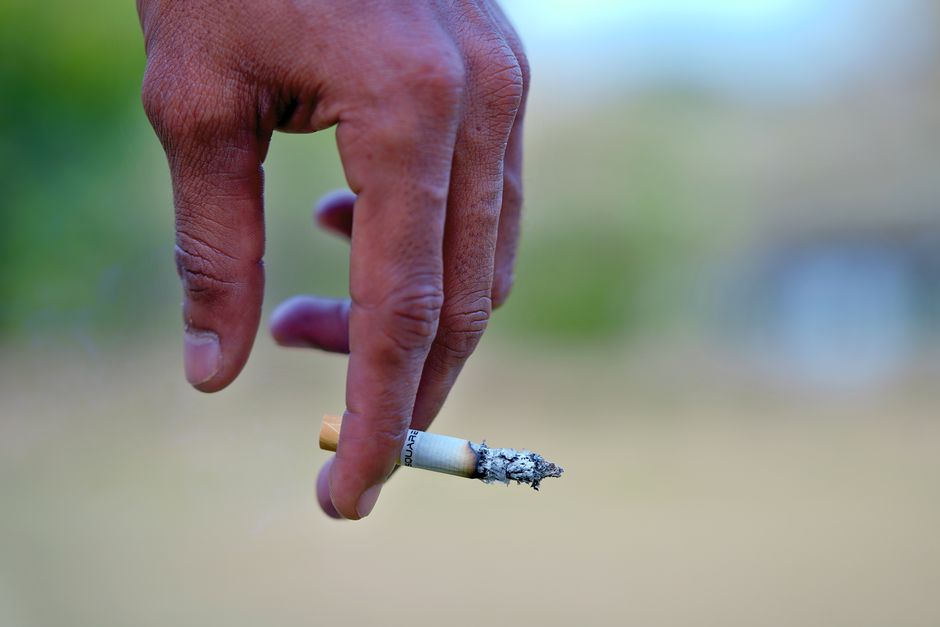
Smoke is harmful because it is not one substance but a mixture of hundreds of different chemicals, many of them toxic and some of them known to cause cancer. When you breathe it in, those chemicals land on the delicate tissues of your airways and lungs, and the smallest particles travel deep enough to reach the air sacs where oxygen enters your blood. The harm starts within seconds of exposure and can build over years, whether the smoke comes from a cigarette, a wildfire, or a wood stove.
Why Is Smoke Harmful to the Human Body?
Smoke damages the body in three main ways: it irritates tissue directly, it triggers inflammation, and it delivers chemicals that can alter cells.
The direct irritation is the fastest effect. Smoke carries fine particles and gases that strip moisture from the lining of your nose, throat, and airways. That lining is meant to trap and clear debris. Smoke overwhelms it.
Inflammation follows. The immune system treats smoke particles as invaders and sends inflammatory cells to the lungs. Short exposure causes temporary swelling and irritation. Repeated exposure keeps that response switched on, which is one reason long-term smoke exposure is linked to chronic lung disease.
The third mechanism is the most serious. Smoke contains substances that can damage DNA and interfere with how cells repair themselves. This is the pathway that connects long-term smoke exposure to cancer. The evidence for this link is very strong for tobacco smoke and increasingly clear for other types of smoke as well.
What Is Actually in Smoke?
Smoke is mostly made of tiny solid particles and droplets suspended in gases. The exact recipe depends on what is burning, but the broad categories are consistent.
- Carbon monoxide — a colorless gas that binds to red blood cells far more readily than oxygen does, reducing how much oxygen your body can carry.
- Fine and ultrafine particles — particles small enough to bypass the body’s filtering defenses and reach deep lung tissue. Particles under 2.5 micrometers in diameter, known as PM2.5, are the ones most consistently linked to health harm.
- Volatile organic compounds — a large group of carbon-based chemicals, some of which irritate the eyes, nose, and throat.
- Nitrogen oxides and sulfur dioxide — gases that irritate airways and can worsen breathing conditions.
- Polycyclic aromatic hydrocarbons — a family of chemicals formed when organic material burns incompletely. Several are classified as known or probable human carcinogens.
- Formaldehyde and other aldehydes — irritants that can also damage cells at sufficient exposure.
Tobacco smoke contains additional compounds, including nicotine and tar, that are specific to the tobacco leaf and how it is processed. But the core chemistry of harm — particles, carbon monoxide, irritant gases, and carcinogenic compounds — shows up across many kinds of smoke.
How Does Smoke Affect the Lungs and Airways?
Your airways are lined with a thin layer of mucus and tiny hair-like structures called cilia. Together they form a conveyor belt that traps dust and germs and moves them up and out.
Smoke slows and eventually can paralyze that conveyor belt. Cilia stop beating effectively, mucus builds up, and the body’s main cleaning mechanism for the lungs is impaired. This is why smokers and people exposed to heavy smoke often develop a persistent cough. The cough is the body trying to clear what the cilia can no longer move.
Deeper in the lungs, the smallest particles reach the alveoli — the tiny air sacs where oxygen crosses into the bloodstream. The body’s immune cells try to engulf these particles but cannot always break them down. The result is a low-level, ongoing inflammatory response that can gradually damage lung tissue.
For people with asthma or chronic obstructive pulmonary disease (COPD), even brief smoke exposure can narrow airways further and trigger symptoms. This is well documented and is one reason health agencies advise people with lung conditions to limit smoke exposure during wildfires.
Does Smoke Affect More Than the Lungs?
Yes. The cardiovascular system is affected quickly and significantly.
Carbon monoxide from smoke competes with oxygen for space on red blood cells. This reduces the oxygen available to your heart, brain, and muscles. At the same time, fine particles entering the bloodstream trigger inflammation in blood vessels, which can make them stiffer and more prone to clotting.
Research on air pollution, which shares many of the same particles found in smoke, has consistently found associations between short-term increases in fine particle levels and higher rates of heart attacks and strokes. The evidence is strongest for people who already have heart disease, but effects are seen across populations.
Smoke exposure has also been associated with eye irritation, headaches, and worsening of sinus problems. These effects are usually temporary and resolve when exposure ends.
Is All Smoke Equally Harmful?
No. The harm depends on what is burning, how much smoke is produced, and how long and how closely a person is exposed.
Tobacco smoke is the most studied and the most clearly linked to serious long-term disease, including lung cancer, COPD, and heart disease. This link is one of the most thoroughly established findings in public health.
Wildfire smoke is a growing concern. It contains many of the same harmful particles as tobacco smoke, though usually at lower concentrations over shorter periods for most people. The health effects of repeated wildfire smoke exposure are an active area of research. What is clear is that wildfire smoke can worsen heart and lung conditions and that people with existing disease are at higher risk during smoke events.
Wood smoke from stoves and fireplaces is often assumed to be “natural” and therefore safer. That assumption is not supported. Wood smoke contains fine particles and polycyclic aromatic hydrocarbons at levels that can be substantial indoors if ventilation is poor. Some studies suggest that long-term household wood smoke exposure is associated with respiratory symptoms and reduced lung function, though the evidence base is smaller than for tobacco.
What About Secondhand Smoke?
Secondhand smoke is the smoke exhaled by a smoker plus the smoke coming off the burning end of a cigarette. It contains the same harmful chemicals as directly inhaled smoke, often at higher concentrations for some compounds because the smoke is not filtered.
The evidence that secondhand smoke harms health is extensive. It is linked to lung cancer in nonsmoking adults, to asthma and respiratory infections in children, and to heart disease. There is no established safe level of secondhand smoke exposure. This is why public health guidance recommends completely smoke-free indoor spaces rather than separate ventilation areas.
Why Does Smoke Harm Children and Pregnant People More?
Children breathe faster than adults relative to their body size, which means they take in more air — and more smoke particles — per pound of body weight. Their lungs are still developing, and their immune and detoxification systems are less mature.
For pregnant people, smoke exposure reduces oxygen availability in the blood, which can affect the fetus. The evidence linking smoking during pregnancy to low birth weight and preterm birth is strong and consistent. For wildfire smoke specifically, the evidence on pregnancy outcomes is still developing, and researchers are cautious about drawing firm conclusions. The general guidance from health agencies is that pregnant people should take extra care to limit smoke exposure, based on the established harms of smoke particles and carbon monoxide.
What Should You Do About Smoke Exposure?
Reducing exposure is the most reliable way to reduce harm. The specifics depend on the source.
For tobacco smoke, the single most effective step is not smoking and not allowing smoking indoors. Quitting smoking reduces risk over time, and the earlier a person quits, the more the body can recover. This is well established.
For wildfire smoke, checking local air quality reports and staying indoors with windows closed when air quality is poor are common recommendations from public health agencies. Portable air cleaners with high-efficiency filters can reduce indoor particle levels. Well-fitted N95 or similar respirator masks can reduce inhalation of fine particles outdoors, though they are not a substitute for avoiding smoke when possible.
For wood smoke, improving ventilation and ensuring stoves and fireplaces are properly maintained and vented outdoors reduces indoor exposure. Burning dry, well-seasoned wood produces less smoke than burning wet or green wood.
For people with heart or lung conditions, smoke exposure can be serious enough to require medical attention. Anyone experiencing chest pain, severe shortness of breath, or other concerning symptoms during a smoke event should seek medical care rather than wait it out.
Frequently Asked Questions
What makes smoke harmful to breathe?
Smoke contains fine particles, carbon monoxide, irritant gases, and chemicals that can damage DNA. These cause direct tissue irritation, inflammation, and long-term damage with repeated exposure.
How long does it take for smoke to affect your lungs?
Effects begin within seconds to minutes of exposure — airway irritation and reduced cilia function happen quickly. Long-term disease from repeated exposure develops over years, not days.
Is wood smoke as harmful as cigarette smoke?
Wood smoke contains many of the same harmful particles and chemicals, but the health evidence is strongest for tobacco smoke. Wood smoke is not harmless, especially with repeated indoor exposure.
Can smoke harm you if you only breathe it briefly?
Brief exposure can cause temporary irritation, coughing, and reduced oxygen-carrying capacity in the blood. Serious lasting harm from a single short exposure is unlikely for most healthy people, but people with heart or lung disease can be affected more seriously.
