
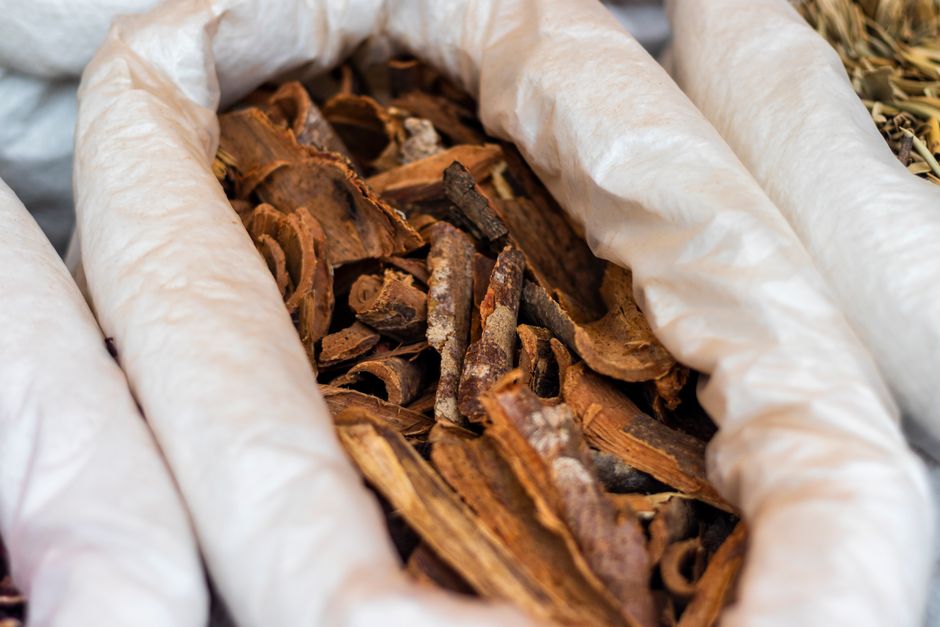
Sassafras was banned in the United States because one of its natural compounds, safrole, was shown to cause liver cancer in laboratory animals. The FDA banned safrole as a food additive in 1960 and later prohibited its use in foods, and that decision is the root of most sassafras restrictions you still see today.
The story is more specific than “sassafras is toxic.” It is about a single chemical, a set of animal studies, and a regulatory line drawn between a traditional root tea and a flavoring ingredient. Understanding that line explains why some sassafras products remain legal while others do not.
What Is Safrole and Why Does It Matter?
Safrole is a naturally occurring plant compound found in sassafras root bark, and it is the reason sassafras became a regulatory target. It belongs to a chemical family called alkenylbenzenes, which also includes related compounds in basil, nutmeg, and black pepper — though at much lower levels than in sassafras.
For decades, sassafras was a common flavoring. It gave root beer its original taste and was used in teas and candies. When scientists began studying safrole in the mid-twentieth century, the findings changed how regulators treated the plant.
The concern is not about occasional exposure. It is about safrole’s potential to damage DNA and, over time, contribute to cancer risk. That mechanism is what drove the ban, and it is well established in toxicology.
Why Is Sassafras Banned in the United States?
The FDA banned safrole as a food additive in 1960 after animal studies linked it to liver cancer. This made sassafras root bark and safrole-derived flavorings illegal to add to food. The agency acted under a legal standard that bars additives shown to cause cancer in humans or animals.
The key studies involved feeding safrole to rats and mice. Researchers observed an increased rate of liver tumors in the treated animals. This kind of animal evidence is a standard basis for food-safety regulation, even when human data are limited.
It is worth being precise about what the evidence does and does not show. No large human trials have confirmed that typical sassafras tea drinking causes cancer in people. The ban rests on animal findings and on the mechanism of DNA damage, which regulators treat as a serious signal. That is a genuinely conservative approach, and it is the established basis for the current rules.
Is Sassafras Tea Illegal?
Sassafras tea is not banned as a concept, but selling it as a food or beverage with safrole in it is restricted. The FDA rules target safrole as a food additive, and the agency has stated that sassafras bark and safrole are not permitted for use in food.
This creates a confusing landscape. You may still find sassafras products sold as dietary supplements, cosmetics ingredients, or traditional botanicals, which fall under different rules than conventional foods. Some of these products are marketed as “sassafras” while containing reduced or removed safrole.
The practical point is this: legality depends on how a product is categorized and sold, not just on whether it contains sassafras. A tea sold as a beverage and a root sold as a botanical supplement can face different regulatory treatment.
How Much Safrole Is Considered Risky?
There is no established safe daily intake level for safrole in food, because regulators concluded it should not be added to food at all. That is different from saying any trace amount is proven dangerous to every person — it means no acceptable level was set for food use.
Dose matters in toxicology, and this is where honesty is important. The animal studies that triggered the ban used relatively high doses over long periods. Extrapolating those results to a person drinking an occasional cup of traditional tea is not straightforward, and scientists debate how to interpret such comparisons.
What regulators concluded is that because safrole can damage DNA and has shown cancer-causing potential in animals, the prudent course was to remove it from the food supply rather than try to set a “safe” threshold. That is the logic behind the ban, and it remains the basis for current restrictions.
Does Sassafras Still Appear in Products Today?
Sassafras flavoring still exists in some products, but usually without safrole. Manufacturers can remove safrole from sassafras extract, and the resulting ingredient is sometimes sold as “safrole-free sassafras.”
You will also see sassafras in non-food contexts. It appears in some cosmetics, traditional herbal products, and botanical blends. These uses are regulated differently from food, and the rules vary.
Root beer is a familiar example. Modern commercial root beer typically does not use safrole-containing sassafras. It relies on other flavorings or on safrole-free extracts. So the root beer you buy today is not the same formulation as the original.
What About Other Countries?
Restrictions on safrole are not limited to the United States. Several other countries and international bodies have also moved to limit safrole in food, often citing the same animal evidence and the compound’s potential to damage DNA.
The details differ by country. Some regulate safrole as a restricted flavoring substance with maximum limits in certain foods, rather than an outright ban. Others follow a stricter approach similar to the U.S.
This variation is a useful reminder that “banned” is not one universal status. The core scientific concern is shared, but the legal response depends on each country’s food-safety framework.
Is Sassafras Safe in Small Amounts?
The honest answer is that the evidence does not support calling safrole-containing sassafras safe for regular food use. Regulators concluded it should not be added to food, and that position has held for decades.
Some people argue that traditional use over generations suggests low risk. That argument has real weight in some contexts, but it is not the same as controlled evidence. Traditional use does not measure cancer risk reliably, because cancers can take years to develop and are common for many reasons.
If you are considering sassafras products, especially concentrated extracts or supplements, the cautious position is to treat safrole-containing products as something to discuss with a healthcare provider rather than assume they are harmless because they are natural. “Natural” and “safe” are not the same thing, and safrole is a clear example of why.
Why the Ban Still Matters
The sassafras ban is a small case study in how food-safety decisions get made. A naturally occurring compound, animal evidence of cancer, and a legal standard against cancer-causing additives combined to remove a familiar flavor from the food supply.
It also shows the limits of that evidence. The human data are thin, and the animal doses were high. Regulators chose caution, and that choice has shaped what sassafras products look like today.
Understanding the root cause — safrole — helps you read labels and marketing more clearly. A product labeled “sassafras” may or may not contain safrole, and that distinction is the one that matters.
Frequently Asked Questions
Why is sassafras banned?
Sassafras is restricted because it contains safrole, a compound that caused liver cancer in animal studies. The FDA banned safrole as a food additive in 1960 and later restricted its use in food.
Is sassafras tea illegal in the US?
Selling sassafras tea as a food or beverage containing safrole is restricted under FDA rules. Products sold as supplements or botanicals fall under different rules, which is why availability varies.
Does root beer still contain sassafras?
Modern commercial root beer typically does not contain safrole. It usually uses other flavorings or safrole-free sassafras extract.
Is safrole-free sassafras safe?
Safrole-free products remove the compound linked to cancer in animals, which is the main concern. That does not automatically make every product safe, and the evidence on long-term use of such products is limited.
