
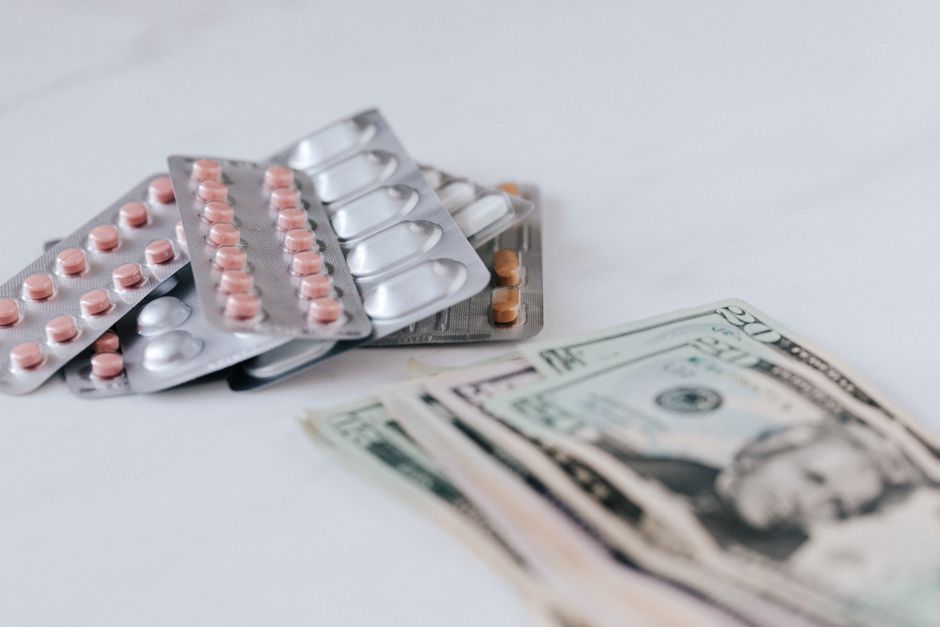
Ramelteon is a prescription sleep medication that often costs over $300 for a 30-day supply without insurance. That high price exists because the drug has no generic version in the United States, leaving the manufacturer with exclusive pricing power. You can save money through manufacturer savings cards, pharmacy price comparisons, and checking with your insurance formulary before you fill the prescription.
Why Is Ramelteon So Expensive?
Ramelteon is sold under the brand name Rozerem. The U.S. Food and Drug Administration approved it in 2005 for people who have trouble falling asleep. Unlike many other sleep drugs, it is not a controlled substance, which means it has a lower risk of dependence.
The main reason for the high cost is market exclusivity. No generic version of ramelteon is available in the United States. When a drug has no generic competitor, the manufacturer sets the price. That price has risen steadily over the years, as happens with many older brand-name drugs that face no competition.
Another factor is the size of the patient population. Ramelteon is not prescribed nearly as often as drugs like zolpidem (Ambien). Lower sales volume means the manufacturer spreads its costs across fewer prescriptions, which keeps the per-pill price high.
How Much Does Ramelteon Cost With and Without Insurance?
Without insurance, a 30-day supply of ramelteon at the standard 8 mg dose typically costs between $300 and $400 at retail pharmacies. Some pharmacies charge more, some less. Prices vary by region and by individual pharmacy pricing policies.
With insurance, your cost depends entirely on your plan. Ramelteon is often placed on a higher copay tier because it is a brand-name drug with no generic alternative. Copays commonly range from $40 to $80 per month. Some plans require prior authorization before they will cover it.
Medicare Part D plans also cover ramelteon, but coverage varies. Some plans place it on a specialty tier, which means you pay a percentage of the total cost rather than a flat copay. That percentage can translate to $75 or more per month depending on your plan’s structure.
Does a Generic Version of Ramelteon Exist?
No generic version of ramelteon is approved for sale in the United States. The original patent protection has expired, but no manufacturer has successfully brought a generic to market. Legal disputes and regulatory hurdles have delayed generic entry for years.
Some online pharmacies advertise “generic ramelteon.” Those products are not approved by the FDA. Buying them carries real risks because you cannot verify the dose, the ingredients, or the manufacturing standards. If a price seems too good to be true, it likely is.
There is one exception worth knowing. Ramelteon’s active ingredient is also available in some countries under different brand names at lower prices. However, importing prescription medication into the United States is generally not legal for personal use unless specific conditions are met, and those conditions are strict. Do not assume an overseas purchase is safe or legal.




How to Save Money on Ramelteon
Several legitimate strategies can reduce what you pay. Start with the manufacturer’s own savings program. The company that makes Rozerem offers a copay savings card that can lower your out-of-pocket cost to as little as $10 per fill for eligible patients with commercial insurance. Medicare and Medicaid patients do not qualify for this program.
Compare prices across pharmacies before filling your prescription. Prices for the same drug at the same dose can differ by more than $100 between pharmacies in the same city. Independent pharmacies sometimes price brand-name drugs lower than national chains. Costco pharmacies are open to non-members in most states, and their cash prices are often competitive.
Ask your doctor about a 90-day supply instead of a 30-day supply. Many insurance plans charge a lower per-month rate for a three-month fill. Some pharmacies also offer discounts for larger quantities even without insurance.
Check whether your insurance plan has a mail-order pharmacy. Mail-order programs frequently offer lower copays for maintenance medications, including sleep aids.
Are There Cheaper Alternatives to Ramelteon?
Ramelteon works differently from most sleep medications. It targets the melatonin receptors in your brain rather than the GABA receptors that most sleep drugs affect. That difference matters because ramelteon is not a controlled substance and has not shown the same dependence potential as other prescription sleep aids.
If cost is the main barrier, discuss alternatives with your doctor. Generic zolpidem is widely available and costs $10 to $30 per month without insurance. Generic eszopiclone and generic temazepam are also inexpensive options. However, these drugs carry different risks, including dependence and next-day drowsiness.
Over-the-counter melatonin is not the same as ramelteon. Melatonin is a supplement, not a drug, and its potency and purity are not regulated by the FDA. Ramelteon binds to melatonin receptors more selectively and has a longer duration of action than a typical melatonin supplement. Some clinical studies suggest ramelteon is more effective than melatonin for sleep-onset insomnia, but the evidence comparing them directly is limited.
Your doctor may also consider off-label use of other medications, but this should only happen after a careful discussion of risks and benefits. Never switch sleep medications on your own. The right choice depends on your specific sleep problem, your other medical conditions, and your other medications.
Will Ramelteon Ever Become Cheaper?
A generic version could eventually reach the market, but predicting the timing is not possible. Multiple companies have attempted to launch generic ramelteon over the years. Each attempt has faced legal challenges from the manufacturer. Until those disputes resolve, the brand-name price will likely remain high.
State and federal lawmakers have proposed various policies to lower prescription drug costs, but none of those proposals guarantee a specific outcome for ramelteon. The most practical approach is to use the savings strategies available today rather than waiting for a market shift.
What to Ask Your Doctor and Pharmacist
Before you pay full price, have a direct conversation with your healthcare team. Ask your doctor whether ramelteon is truly the best option for your situation or whether a less expensive medication would work as well. Ask about the manufacturer’s savings card and whether your doctor can help you enroll.
Ask your pharmacist to check for any available discounts. Pharmacists have access to pricing tools that patients do not. Some pharmacies will match a competitor’s price if you ask. It costs nothing to ask.
If you take ramelteon for more than a few weeks, review whether it is still working. Sleep medications are generally intended for short-term use. If the drug is not helping, paying a high price for it makes no sense regardless of whether you can afford it.
Frequently Asked Questions
Is ramelteon covered by Medicare Part D?
Most Medicare Part D plans cover ramelteon, but coverage varies by plan. Some plans place it on a specialty tier, which can mean higher out-of-pocket costs.
Can I use a coupon for ramelteon?
Yes, the manufacturer offers a savings card for eligible patients with commercial insurance. Third-party discount sites may also offer coupons, but those prices can vary widely by pharmacy.
Is ramelteon the same as taking melatonin?
No. Ramelteon is a prescription drug that activates melatonin receptors in the brain, while melatonin is an over-the-counter supplement. They are chemically different and work in different ways.
Why does my insurance require prior authorization for ramelteon?
Insurance companies require prior authorization for expensive brand-name drugs to confirm the medication is medically necessary. Your doctor can submit a request explaining why ramelteon is the right choice for you.
