
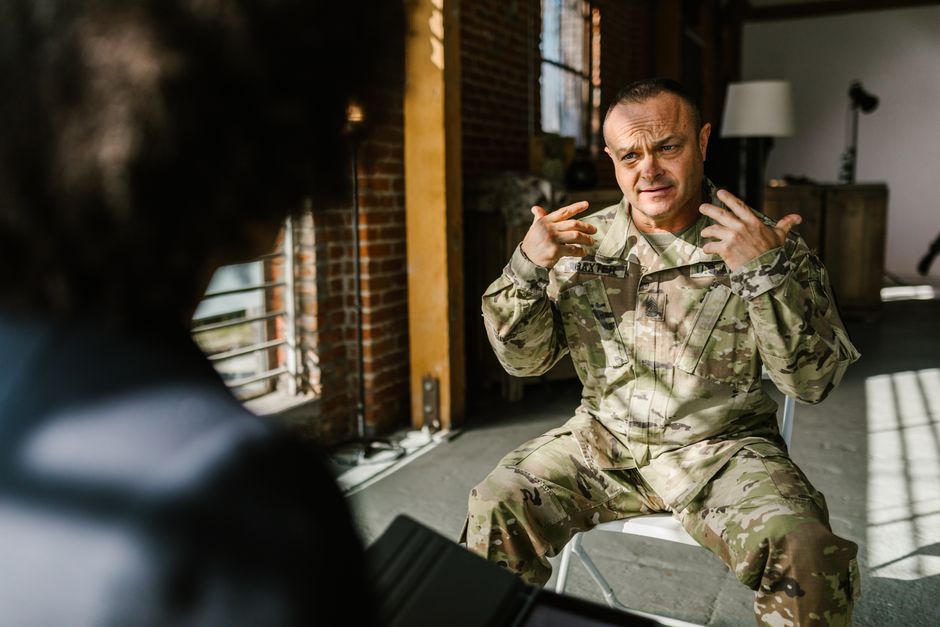
Post-traumatic stress disorder is hard to treat because it changes how the brain processes fear, memory, and safety — and those changes do not switch off on their own. The condition rewires threat detection, keeps traumatic memories vivid and unprocessed, and often comes with depression, substance use, or chronic pain that complicate recovery. Effective treatments exist, including trauma-focused therapy and certain medications, but they require the right match, enough time, and a patient who feels safe enough to engage. Understanding the eight reasons PTSD resists treatment helps explain why recovery often takes longer than people expect — and why it still happens.
Why Is PTSD So Hard To Treat? 8 Key Reasons
PTSD is not a single problem with a single fix. It is a cluster of changes across brain circuits, stress hormones, memory, and behavior. Each one can hold recovery back on its own. Together they explain why the same treatment works well for one person and barely helps another.
The eight reasons below are the ones clinicians and researchers return to most often. None of them mean PTSD is untreatable. They explain why treatment needs to be matched to the person, not just the diagnosis.
1. The brain’s threat system stays switched on
In PTSD, the amygdala — the brain’s alarm center — becomes hyperreactive. The prefrontal cortex, which normally puts the brakes on that alarm, becomes less effective at doing so. The hippocampus, involved in separating past from present, can shrink in volume with chronic stress.
The result is a nervous system that responds to safe situations as if they were dangerous. A slammed door, a certain tone of voice, a smell — any of these can trigger a full stress response. This is not weakness or overreaction. It is a measurable change in how the brain assigns danger.
This matters for treatment because talk therapy alone cannot simply “reason” the alarm system into calming down. Therapy has to retrain it, which takes repeated exposure and practice.
2. Traumatic memories are stored differently
Ordinary memories fade and get filed away. Traumatic memories often stay fragmented and sensory — images, sounds, physical sensations — without a clear sense of “that was then, this is now.”
This is sometimes called unprocessed or undigested memory. The memory does not feel like a recollection. It feels like it is happening again. That is the mechanism behind flashbacks and nightmares.
Standard memory does not respond to logic here. Telling someone “you’re safe now” does not overwrite a memory that the body still experiences as present. This is why trauma-focused therapies deliberately work with the memory itself rather than only discussing its effects.
3. Avoidance keeps the disorder in place
Avoidance is one of the core diagnostic features of PTSD, and it is also one of the main reasons the condition persists. Avoiding reminders of the trauma brings immediate relief. That relief teaches the brain that avoidance works.
Over time, the avoided zone grows. Someone may stop driving, stop socializing, stop working, or stop leaving the house. The world shrinks. The trauma is never tested against reality, so the fear never gets corrected.
This is a well-established pattern in anxiety and trauma research. The short-term comfort of avoidance is paid for with long-term restriction.
4. PTSD rarely travels alone
Most people with PTSD have at least one other condition. Depression, anxiety disorders, and substance use are common. Chronic pain, traumatic brain injury, and sleep disorders also cluster with it.
These are not side issues. They change how PTSD presents and how it responds to treatment. Someone who is severely depressed may lack the energy to engage in therapy. Someone using alcohol to sleep may find that it disrupts the sleep architecture that recovery depends on.
Good treatment usually has to address more than one problem at once, which takes longer and requires more coordination between clinicians.
5. The window for treatment is often missed
Many people wait years before seeking help. Some never disclose the trauma at all. Shame, fear of being judged, cultural pressure, and not recognizing the symptoms as PTSD all delay care.
Longer duration of untreated illness is generally associated with more entrenched symptoms and greater functional impairment. That does not mean late treatment does not work. It means the disorder has had more time to reshape someone’s life, habits, and identity.
What Makes PTSD Treatment Harder for Some People?
Some factors make recovery slower or more complicated, and they are not the person’s fault. Childhood trauma, repeated or prolonged trauma, and trauma inflicted by someone trusted tend to produce more complex presentations.
Complex PTSD — recognized in the World Health Organization’s diagnostic framework — involves the core PTSD symptoms plus lasting problems with emotion regulation, self-concept, and relationships. It typically requires longer treatment and a phased approach that builds stability before processing trauma.
Practical barriers matter just as much. Cost, insurance coverage, transportation, childcare, and the shortage of clinicians trained in trauma-focused therapies all limit access. So does the simple fact that effective therapy is demanding — it asks people to confront what they have spent years avoiding.
Which Treatments for PTSD Have the Strongest Evidence?
Trauma-focused psychotherapies have the strongest evidence base for PTSD. These include prolonged exposure therapy, cognitive processing therapy, and eye movement desensitization and reprocessing, known as EMDR.
These approaches share a common thread: they help the person confront and process the traumatic memory in a structured, safe way rather than avoiding it. Research consistently shows they reduce symptoms for many people. They are not identical in method, and no single one has been proven superior for everyone.
Among medications, certain antidepressants — particularly SSRIs — have the most established evidence. Some are approved by the FDA for PTSD. Medications often reduce symptoms enough to make therapy more tolerable, but they are generally not considered a standalone cure.
Other approaches have some supporting evidence but less consistency. These include certain forms of cognitive behavioral therapy for specific symptoms, and some clinicians use other medication strategies off-label. The evidence for those strategies is more limited, and responses vary.
Why Do Some People Not Respond to Standard PTSD Treatment?
Not everyone improves with first-line treatment. Some people drop out. Some complete a full course and see little change. This is a real and well-documented outcome, not a personal failure.
Several things can explain it. The treatment may not fit the person’s specific symptom profile. Co-occurring conditions may be untreated. The therapeutic relationship may not feel safe enough. Or the person may not have had enough stability — housing, safety, sobriety — to engage fully.
It is also true that PTSD treatment research has historically excluded people with the most complex presentations, so the evidence base is strongest for simpler cases. That gap is a known limitation, not a reason for despair.
When first-line treatment does not work, the usual next step is reassessment — not giving up. A different therapy, a different medication, or addressing an untreated co-occurring condition can change the outcome.
What Actually Helps People Recover From PTSD?
Recovery from PTSD is possible, and the evidence for that is strong. It usually involves structured, trauma-focused therapy delivered by a trained clinician, sometimes combined with medication.
Several practical factors support recovery:
- Getting an accurate diagnosis — many people are treated for depression or anxiety without the trauma being addressed.
- Sticking with treatment long enough — trauma-focused therapies typically run for a set number of sessions, and completing the course matters.
- Addressing sleep — nightmares and insomnia are core symptoms, and untreated sleep problems undermine recovery.
- Treating co-occurring conditions — depression and substance use need attention alongside PTSD.
- Social support — connection reduces isolation, which avoidance tends to deepen.
One clarification worth making: there is no robust evidence that a single app, supplement, or lifestyle change treats PTSD on its own. Some tools may support coping, but they are not substitutes for evidence-based treatment. Anyone marketing a product as a PTSD cure is making a claim the evidence does not support.
If you or someone you know is struggling, the most reliable step is to speak with a clinician trained in trauma. Recovery is not guaranteed to be quick, and it is not guaranteed to be linear — but for many people, it is real.
Frequently Asked Questions
Can PTSD go away without treatment?
Some people recover over time without formal treatment, but many do not, and symptoms can persist for years. Professional treatment substantially improves the odds of recovery.
How long does PTSD treatment usually take?
Trauma-focused therapies are typically delivered over a defined number of sessions, often spanning several weeks to a few months. Complex or long-standing cases usually take longer.
Is PTSD curable?
Many people treated for PTSD no longer meet the diagnostic criteria afterward, which is the closest thing to a cure the field can measure. Others manage lingering symptoms long term.
Why do some people with PTSD avoid treatment?
Avoidance is a core symptom of PTSD, so the disorder itself can make people reluctant to face reminders or seek help. Shame and fear of judgment also play a role.
