
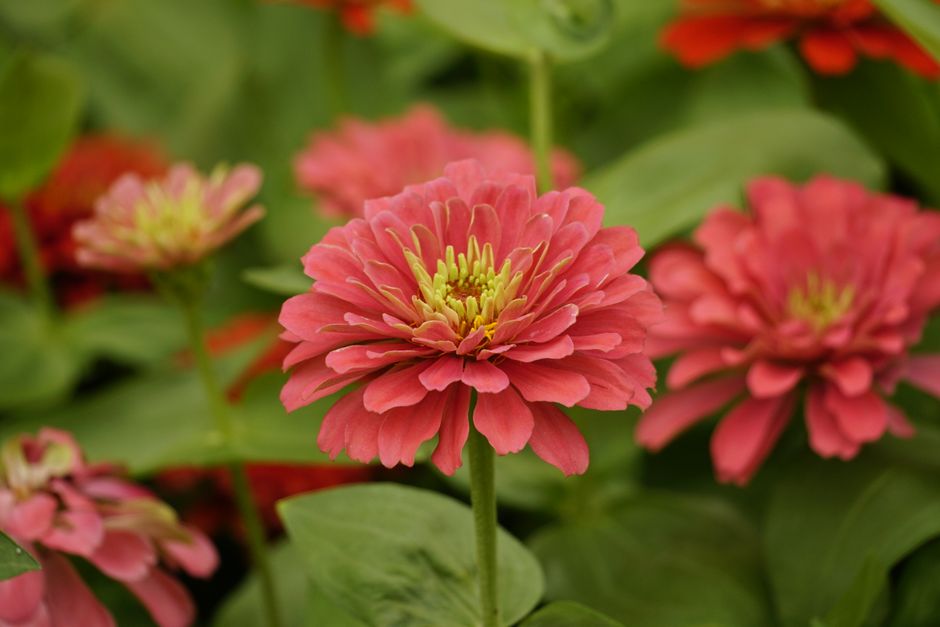
A zinnia that wilts, yellows, or collapses is almost always reacting to one of a small number of problems: too much water, too little water, a soil fungus, powdery mildew, or a pest. Zinnias are warm-season annuals that need full sun, well-drained soil, and good airflow. When one of those conditions fails, the plant declines fast. The good news is that most zinnia problems are diagnosable and, if caught early, manageable.
Why Is My Zinnia Dying And How Do I Save It? Root Causes
The single most common reason a zinnia dies is root or stem rot caused by overly wet soil. Zinnias hate soggy roots. They evolved in dry, sunny regions of the Americas and their root systems are built for fast-draining ground.
When soil stays wet, oxygen is pushed out of the pore spaces. Roots need oxygen to function. Without it, they suffocate and begin to die. Opportunistic soil organisms then move in and finish the job. The plant above ground looks wilted, which confuses people, because wilt looks exactly like underwatering. So they water more, and the plant dies faster.
Other common causes include:
- Alternaria leaf spot — a fungal disease that causes dark, target-like spots on leaves and stems. It spreads in wet, humid conditions.
- Powdery mildew — a white, flour-like coating on leaves. It thrives when days are warm and nights are cool and humid.
- Bacterial leaf spot — angular dark spots that can distort leaves and stems.
- Spider mites and aphids — sap-sucking pests that cause stippling, yellowing, and distorted new growth.
- Drought stress — the opposite problem. Zinnias are fairly drought-tolerant once established, but young plants and container plants dry out quickly.
- Transplant shock — zinnia seedlings resent root disturbance. A plant that collapses within days of being set out may simply have had its roots torn.
The fastest way to tell rot from drought is to feel the soil about two inches down. If it is wet and the plant is wilting, you have a drainage or root problem. If it is bone dry, you have a watering problem. That one test rules out half the possibilities immediately.
What Does Overwatering Look Like on a Zinnia?
Overwatered zinnias wilt during the day and often stay wilted at night, which is the opposite of drought stress. A drought-stressed plant usually perks up in the evening as temperatures drop. A rotted plant does not recover.
Look for these signs:
- Lower leaves turn yellow, then brown, and drop off while upper leaves still look green.
- The base of the stem feels soft, mushy, or hollow when you squeeze it.
- The stem may darken near the soil line — a classic sign of stem rot.
- The plant may topple over because the base can no longer support it.
Once the main stem is soft and dark, the plant will not recover. No treatment reverses advanced stem rot. Remove it and improve drainage before replanting. If the rot has not reached the crown, you can sometimes let the soil dry out completely and the plant will push new growth. Do not fertilize a struggling plant — fertilizer salts can damage compromised roots further.
How Do I Fix Wet Soil Around Zinnias?
Fix the soil, not the plant. Watering less helps, but if the ground holds water, the problem returns.
Zinnias do best in soil that drains within a few hours of rain or watering. If your soil is heavy clay, amend it with organic matter such as compost. In containers, use a potting mix formulated for drainage and make sure the pot has working drainage holes. A saucer that holds standing water defeats the purpose.
Raised beds solve drainage problems that in-ground planting cannot. If you are planting in a spot that puddles after rain, that spot is wrong for zinnias. Move them.
Water at the base of the plant, not over the leaves. Wet foliage invites fungal disease. Morning watering gives leaves time to dry before night. Deep, infrequent watering encourages deeper roots than light daily sprinkling. Once established, zinnias generally need about an inch of water per week, from rain or irrigation combined, though this varies with heat, wind, and soil type.




What Causes White Powder on Zinnia Leaves?
That white coating is powdery mildew, one of the most common zinnia diseases. It is a fungal infection that grows on the leaf surface. It does not need standing water to develop, which is why it shows up even in fairly dry gardens.
Powdery mildew favors warm days, cool nights, and high humidity. Crowded plants with poor airflow get it worst. The fungus rarely kills a plant outright, but heavy infections reduce photosynthesis, weaken the plant, and make it look terrible.
What helps:
- Space plants so air moves between them. Zinnias in a tight block get mildew first.
- Water at the soil line, not overhead.
- Remove and discard badly infected leaves. Do not compost them.
- Choose mildew-resistant zinnia varieties where available. Some cultivars are bred for this.
Some gardeners use neem oil or potassium bicarbonate sprays. Evidence for these is mixed and results vary with timing and severity. They work best as prevention, not as a rescue once the plant is heavily coated. Always follow label directions, and never spray in the heat of the day.
Why Are My Zinnia Leaves Turning Yellow or Brown?
Yellowing and browning have several possible causes, and the pattern matters.
Yellowing that starts at the bottom and moves up usually points to root problems or nutrient issues. Yellowing between the veins with green veins remaining can indicate a nutrient deficiency, though this is less common in zinnias grown in decent soil.
Brown or black spots, especially with concentric rings, point to Alternaria leaf spot. This fungus spreads by splashing water and thrives in wet conditions. It overwinters in plant debris, so cleaning up fallen leaves and stems at the end of the season reduces next year’s infection.
Browning at the leaf edges can indicate drought stress, salt buildup from fertilizer, or sunscald. Zinnias want full sun, but seedlings that were started indoors need gradual hardening off before they face direct sun all day.
A useful rule: if the damage is uniform across the whole plant, suspect an environmental cause like water or temperature. If it is spotty or patterned, suspect disease or pests.
How Do I Check for Pests on Zinnias?
Spider mites and aphids are the two pests most likely to bother zinnias. Both feed by sucking sap, which causes stippled, yellowing, or curled leaves.
Spider mites are tiny — barely visible — and often leave fine webbing on the undersides of leaves. They thrive in hot, dry conditions. A strong spray of water on the undersides of leaves can knock down populations. Insecticidal soap can help if applied correctly and repeatedly, though it must contact the mites to work.
Aphids are small, soft-bodied, and cluster on new growth and flower buds. They secrete a sticky substance called honeydew that can attract ants and promote sooty mold. A strong water spray often dislodges them. Lady beetles and other beneficial insects help keep aphids in check, so avoid broad-spectrum insecticides that kill them too.
Check the undersides of leaves, not just the tops. Most of these pests hide where you are not looking.
Can a Dying Zinnia Be Saved?
It depends entirely on what is wrong and how far it has gone. A plant with early powdery mildew, mild pest pressure, or temporary wilting from dry soil can often recover. A plant with a soft, dark stem base from rot usually cannot.
Honest triage:
- Wilted but firm stem, dry soil: water it. It should recover within hours.
- Wilted with wet soil and soft stem: remove the plant. It will not recover.
- Light powdery mildew: improve airflow, remove affected leaves, and it may finish the season.
- Spotted leaves with no stem damage: remove affected leaves, water at the base, and monitor.
- Collapsed seedling after transplant: likely root damage. Replace it.
Zinnias grow fast from seed. In most climates, replanting is quicker than nursing a badly damaged plant back to health. A seed sown directly in warm soil can bloom within a couple of months.
One thing worth knowing: zinnias are susceptible to a virus called zucchini yellow mosaic virus, which some research indicates can be spread by aphids and cucumber beetles. Infected plants show mottled, distorted leaves and stunted growth, and there is no cure. Remove and discard them. This is uncommon, though, and most zinnia decline has a simpler cause.
Frequently Asked Questions
Why is my zinnia wilting even though I water it every day?
Daily watering is often the cause, not the fix. If the soil stays wet, roots suffocate and rot, which makes the plant wilt exactly like underwatering does. Feel the soil two inches down before watering again.
Can a zinnia with stem rot be saved?
No. Once the base of the stem is soft, dark, or hollow, the plant will not recover. Remove it and fix the drainage before replanting.
How much sun do zinnias need?
Zinnias need full sun, which generally means at least six hours of direct light per day. Less sun leads to weak, spindly growth and more disease pressure.
Does powdery mildew kill zinnias?
It rarely kills them outright, but a heavy infection weakens the plant and reduces flowering. Improving airflow and removing infected leaves limits the damage.
