
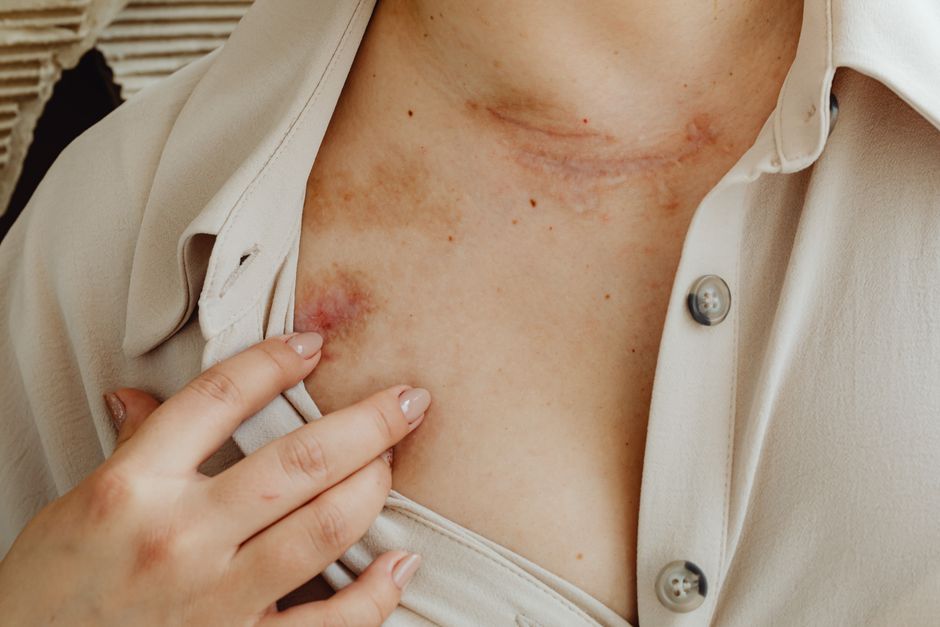
A wound leaking clear fluid is usually showing you a normal part of healing. The fluid is called serous exudate, and it is mostly water mixed with small amounts of protein and white blood cells. It seeps from tiny blood vessels near the injury as part of the inflammatory response that begins within minutes of tissue damage. In most clean cuts, scrapes, and surgical incisions, this clear drainage is expected and not a sign of infection. The important question is not whether fluid is leaking, but what kind of fluid it is and how long the leaking lasts.
What Is the Clear Fluid Coming From a Wound?
The clear fluid is serum — the yellowish, watery part of blood that remains after red blood cells and clotting factors have been removed. When tissue is injured, small blood vessels in the area widen and become more permeable. This lets fluid and immune cells move into the wound space, which is a normal and necessary step in healing.
Clinicians call this drainage serous exudate. It typically looks pale yellow or straw-colored and has a thin, watery consistency. You may see it on a bandage as a faint yellow ring, or notice a small amount weeping from the edges of a scrape. A small amount of clear fluid in the first day or two after an injury is expected.
One point people often miss: a wound that stays slightly moist usually heals better than one that dries out completely. A moist wound environment supports cell migration and tissue repair. So some clear drainage is not just normal — it can be part of what lets the wound close properly. That said, “moist” is not the same as “soaking.” A dressing that is saturated through within hours is a different situation and worth a closer look.
Why Is My Wound Leaking Clear Fluid?
Your wound is leaking clear fluid because the healing process actively draws fluid into the injured area. Several normal mechanisms drive this.
- Inflammation: In the first phase of healing, blood vessels leak fluid into surrounding tissue to deliver immune cells and nutrients.
- Clotting and repair: As the body builds new tissue, fluid moves through the wound bed.
- Pressure and movement: Areas under tension, or wounds on the legs and feet, can weep more because of gravity and pressure.
- Dressing effects: Some dressings draw moisture to the surface by design, which can make drainage look heavier than it is.
Location matters more than many people realize. A wound on the lower leg often leaks more fluid than one on the forearm, simply because of gravity and the pressure of standing. This is one reason leg wounds need different care than a cut on your hand.
When Is Clear Wound Fluid Normal and When Is It Not?
Clear, watery drainage in small amounts during the first couple of days of healing is normal. The concern rises when the fluid changes in color, smell, amount, or when it keeps flowing well beyond the early healing period.
Normal serous drainage tends to be:
- Pale yellow or clear
- Thin and watery
- Small in amount
- Odorless or nearly so
- Decreasing over the first few days
Drainage that is cloudy, milky, yellow-green, or has a foul smell is more concerning. So is drainage that soaks through dressings quickly or does not taper off. These changes can point to infection or other complications and are a reason to seek medical advice rather than wait.
How Can You Tell Serous Fluid From Other Kinds of Drainage?
Not all wound fluid is the same. The color and consistency tell you a lot about what is happening. The table below describes the main types clinicians distinguish. These are general patterns, not a diagnosis tool — only a clinician can confirm what a particular wound is doing.
| Type of drainage | Typical appearance | What it often suggests |
|---|---|---|
| Serous | Clear to pale yellow, thin, watery | Normal healing; sometimes a sign of irritation |
| Sanguineous | Red or pink, bloody | Fresh bleeding or recent injury to the wound |
| Serosanguineous | Pink-tinged, watery | A mix of serum and a little blood, common early on |
| Purulent | Thick, cloudy, yellow-green or brown, often foul-smelling | Possible infection; needs medical review |
The key distinction is between thin and watery versus thick and cloudy. Clear fluid that stays clear and watery is usually serous. Fluid that turns thick, colored, or smelly is the type that warrants attention.
What Does It Mean If the Fluid Changes Color or Smell?
A change in color or smell is the most reliable early signal that something may be wrong. Clear fluid turning cloudy, yellow-green, or brown suggests the presence of bacteria or dead tissue. A foul odor is another warning sign.
These changes do not automatically mean a serious infection. But they are the kind of signal that should prompt a call to a clinician, especially if they come with other symptoms. Watch for:
- Increasing pain, redness, or warmth around the wound
- Swelling that gets worse rather than better
- Fever or chills
- Red streaks spreading from the wound
Any of these, combined with changing drainage, is a reason to get medical care promptly rather than watch and wait. In rare cases, a wound infection can spread beyond the skin, and early treatment matters.
How Should You Care for a Wound That Is Leaking Clear Fluid?
Basic wound care is straightforward and well established. Keep the wound clean, protect it, and change dressings as needed. The goal is to keep the area clean without drying it out excessively or letting it stay soaked.
General steps that reflect standard wound care guidance:
- Wash your hands before and after touching the wound or dressing.
- Clean the wound gently with mild soap and water; avoid scrubbing.
- Pat dry around the edges, then cover with a clean dressing.
- Change the dressing when it becomes wet or soiled, or as directed.
- Avoid picking at scabs or reopening the wound.
Some clinicians recommend specific dressing types for wounds with heavier drainage, such as absorbent or foam dressings. Which dressing is best depends on the wound, so this is a conversation to have with a healthcare professional rather than a fixed rule. There is no single dressing that suits every wound.
Do not apply alcohol, hydrogen peroxide, or harsh antiseptics to a healing wound unless a clinician tells you to. These can damage new tissue and slow healing. Plain soap and water are generally preferred for routine cleaning.
When Should You See a Doctor About Wound Drainage?
Seek medical care if the drainage does not decrease after a few days, if it changes to a cloudy or colored fluid, or if it has a foul smell. Also get help if the wound is deep, gaping, or caused by an animal bite or a dirty object.
Other reasons to see a clinician include drainage that continues to soak through dressings, increasing pain, spreading redness, or a fever. People with diabetes, poor circulation, or a weakened immune system should be especially cautious, because their wounds can heal more slowly and are more prone to complications. For these groups, even a small wound that is not improving is worth a professional look.
It is also reasonable to check in with a clinician if you are simply unsure. Clear fluid is usually harmless, but a wound that is not behaving as expected deserves a second opinion rather than guesswork.
Frequently Asked Questions
Is clear fluid leaking from a wound a sign of infection?
Usually not. Clear, watery fluid is normal serous drainage in the early stages of healing. Infection is more often signaled by cloudy, yellow-green, or foul-smelling fluid along with redness, pain, or fever.
How long should a wound leak clear fluid?
Small amounts of clear drainage typically taper off within the first few days of healing. Drainage that continues heavily or does not decrease over time should be checked by a clinician.
Should I let a wound dry out or keep it moist?
A slightly moist wound environment generally supports healing better than a completely dry one. Keep the wound clean and covered, but avoid letting it become soaked with drainage.
What color should normal wound drainage be?
Normal serous drainage is clear to pale yellow and thin. Pink-tinged fluid early on can also be normal. Cloudy, green, brown, or foul-smelling drainage is not typical and should be evaluated.
