
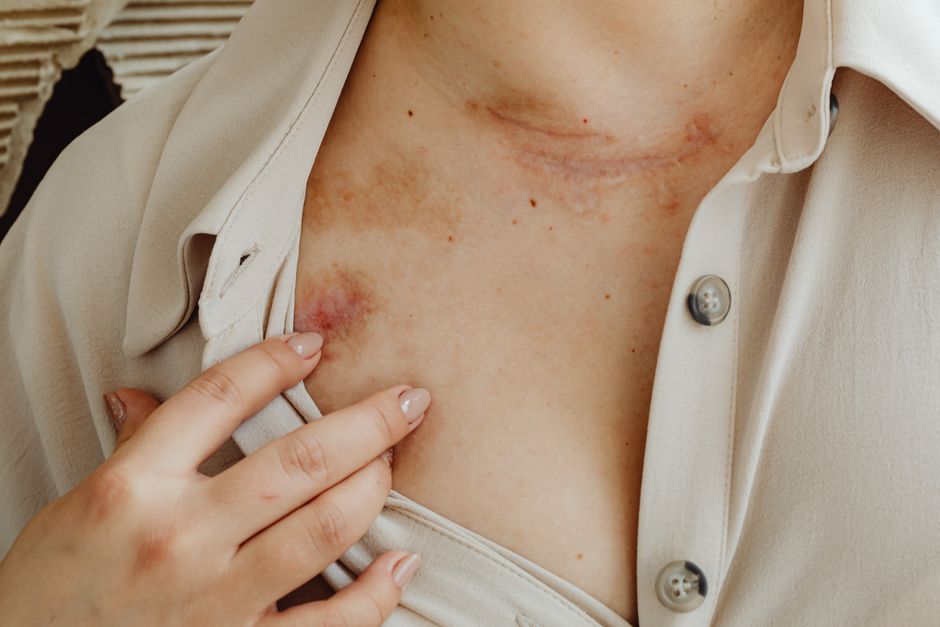
Most wounds shrink a little each day as new tissue fills the gap. A wound that is getting bigger is doing the opposite, and that change in direction usually means something is interfering with healing rather than simply being slow. The most common reasons are infection, poor blood flow, ongoing pressure or friction, and a buildup of dead tissue that hides how deep the wound really goes. Each of these has a different fix, so identifying the cause comes before any treatment decision.
Why Is My Wound Getting Bigger Causes Explained
Wounds enlarge for a small number of reasons, and they tend to fall into two broad groups: something is actively damaging the tissue, or the tissue lacks what it needs to rebuild.
On the damage side, infection is the most frequent culprit. Bacteria in a wound trigger inflammation that breaks down tissue faster than the body can replace it. The wound edge can look red, swollen, and warm, and it may produce pus or fluid that smells bad. Infection does not always look dramatic, especially in people with diabetes or a weakened immune system.
Pressure and friction are the other common damage sources. A wound on a heel or tailbone that keeps getting pressed against a bed or chair can widen because the tissue underneath is being starved of blood. This is the mechanism behind pressure injuries, and it is why offloading — taking weight off the area — matters as much as any dressing.
On the rebuilding side, the problem is usually blood supply. Healing tissue needs oxygen and nutrients delivered by blood. If circulation is poor, the wound cannot build new tissue and may instead extend. Poor circulation is common in people with peripheral artery disease, long-standing diabetes, and in wounds on the lower legs and feet.
A fourth cause sits in between: dead tissue and debris. Slough (soft yellow or gray tissue) and eschar (a hard dark crust) can cover a wound, and underneath, the true size may be larger than it appears. As that material breaks down, the visible wound can expand.
What Does It Mean If the Wound Edge Is Spreading Redness?
Redness that spreads beyond the wound border is a specific signal worth taking seriously. It usually points to infection moving into the surrounding skin.
Normal wound healing involves some redness right at the edges. That redness is part of inflammation and typically fades over the first few days. Redness that instead grows outward, feels warm, and tracks in streaks is different. A red streak running up a limb can indicate that infection is spreading along the lymph channels, which is a reason to seek care promptly rather than wait.
Other signs that infection is the cause include increasing pain rather than less, swelling that keeps growing, pus, and a general feeling of being unwell or feverish. Fever is not always present, particularly in older adults.
Not every spreading redness is infection. Some skin conditions and reactions to dressings or adhesives can also cause redness. That is why the pattern, warmth, pain, and how the person feels overall all matter, not redness alone.
Why Some Wounds Widen Even When They Look Clean
A wound can enlarge without any obvious pus or redness. In these cases the cause is often mechanical or related to blood flow rather than infection.
Shearing and friction are easy to miss. A dressing that pulls on the skin, a limb that slides against a surface, or repeated movement across a joint can reopen tissue that was starting to close. The wound stays clean-looking while quietly getting wider.
Fluid buildup is another underrecognized factor. In wounds on the legs, chronic swelling from venous disease can push fluid into the tissue and keep the wound open. The wound may look clean but fail to shrink, or slowly grow, because the underlying pressure is never relieved.
Nutrition and general health also play a role, though this is harder to pin down in any single case. Protein, vitamin C, and zinc are all involved in tissue repair, and severe deficiency can impair healing. Mild deficiency is more common than severe deficiency, and its effect on a specific wound is difficult to measure. The evidence here is limited compared with the evidence for infection and poor circulation.





How to Tell Infection From Poor Circulation
Infection and poor circulation can both cause a wound to enlarge, but they usually look and feel different. The table below compares the features most often used to tell them apart. This is a general guide, not a diagnosis.
| Feature | More consistent with infection | More consistent with poor circulation |
|---|---|---|
| Wound edge | Red, warm, swollen, spreading | Pale, cool, thin, sometimes dark |
| Discharge | Pus or cloudy, foul-smelling fluid | Little discharge, or clear fluid |
| Pain | Increasing pain | Pain in the limb, often worse at rest or at night |
| Skin around it | Warm, red, sometimes streaked | Shiny, hairless, cool, weak pulses |
| Whole-body signs | Fever, chills, feeling unwell | Usually none |
Both problems can exist at the same time. A wound with poor circulation is more vulnerable to infection, so the two often overlap.
When a Wound Getting Bigger Needs Medical Care
Any wound that is enlarging deserves a medical assessment rather than watchful waiting. That is the clearest line. A wound that grows is not following the normal pattern, and the cause needs to be identified.
Certain situations call for care without delay:
- Redness or swelling that is spreading
- A red streak running up an arm or leg
- Fever, chills, or feeling generally unwell
- Severe or rapidly worsening pain
- A wound that is deep, or that exposes muscle or bone
- A wound in someone with diabetes, poor circulation, or a weakened immune system
- Any wound on the feet of a person with diabetes
For people with diabetes, foot wounds are a special case. Reduced sensation can hide pain, and reduced circulation slows repair, so a foot wound can enlarge before it is noticed. Regular checking of the feet is part of standard diabetes care for this reason.
What Actually Helps a Wound That Is Getting Bigger
The right action depends entirely on the cause, which is why guessing at treatment can waste time. The general principles, however, are consistent.
If infection is suspected, medical assessment comes first. Clinicians may clean the wound, remove dead tissue, and in some cases prescribe antibiotics. Antibiotics are a decision for a clinician, not something to start on your own. Using them when they are not needed does not help and can cause harm.
If poor circulation is the cause, improving blood flow is the goal, and that is a medical problem to address rather than a dressing to change. For pressure-related wounds, relieving the pressure is central. For wounds on the legs with swelling, compression may be used, but only after a clinician has checked that the arteries are adequate. Compression on a leg with poor arterial flow can make things worse.
Keeping the wound clean and covered, protecting it from pressure and friction, and keeping the surrounding skin healthy all support healing regardless of cause. Removing dead tissue, called debridement, is often necessary because dead tissue both hides the true size of the wound and gives bacteria a place to grow. Debridement is a clinical procedure.
One point worth being clear about: no dressing, cream, or supplement has been shown to reverse a wound that is enlarging because of infection or poor circulation. Those causes have to be treated directly. Products marketed for wound healing have not been shown to fix an underlying cause.
Frequently Asked Questions
Why is my wound getting bigger instead of healing?
The most common reasons are infection, poor blood flow, ongoing pressure or friction, and dead tissue covering the wound. A wound that grows is not following the normal pattern, so it needs a medical assessment to find the cause.
Is a wound getting bigger always a sign of infection?
No. Infection is a common cause, but poor circulation and repeated pressure or friction can also make a wound enlarge without any pus or redness. That is why a clinician looks at the whole picture rather than one sign.
Should I put antibiotic cream on a wound that is getting bigger?
Over-the-counter antibiotic creams are not a substitute for assessing the cause, and they will not fix a wound that is enlarging because of poor circulation or pressure. If infection is suspected, a clinician should decide whether antibiotics are needed.
When should I see a doctor for a wound that is getting bigger?
See a clinician for any wound that is enlarging, and seek care without delay if there is spreading redness, a red streak, fever, severe pain, or a deep wound. People with diabetes or poor circulation should seek care sooner rather than later.
