
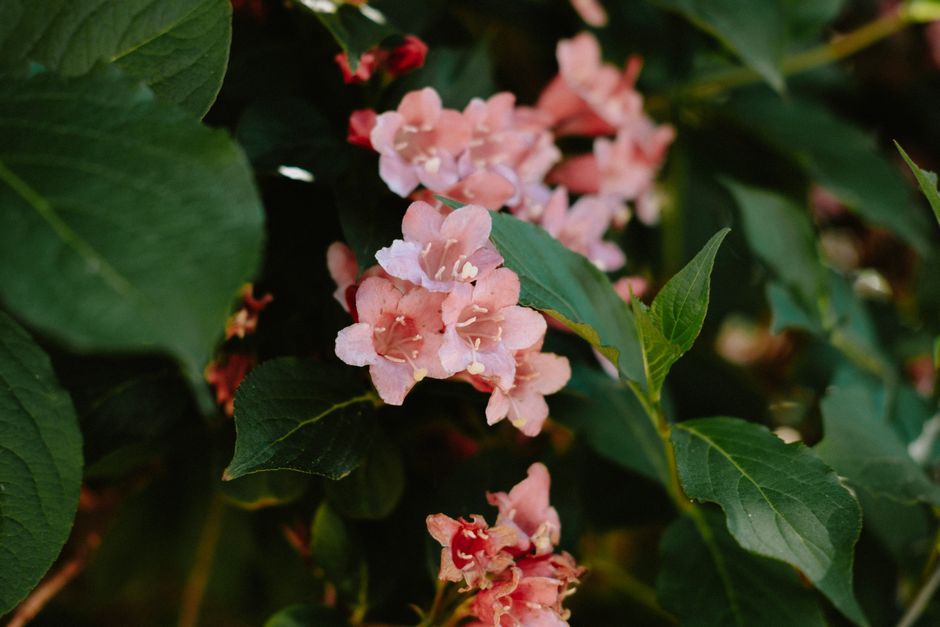
A weigela that refuses to bloom is almost always responding to its environment, not failing at random. The most common reasons are too little sun, pruning at the wrong time of year, too much nitrogen fertilizer, or buds killed by a late frost. Weigela blooms on old wood — growth produced the previous season — so anything that removes or damages that wood removes that year’s flowers. Fix the light, the pruning timing, and the feeding, and most plants settle back into flowering within a season or two.
Weigela is a forgiving shrub. It tolerates poor soil, drought once established, and neglect. That toughness is also why it can sit in a garden for years growing lush and green without producing a single flower. The plant is healthy. It is simply getting the wrong signals.
Why Is My Weigela Not Blooming Reasons And Fixes?
Weigela florida and its cultivars flower on wood that grew during the previous season. Buds form in late summer and fall, then sit dormant through winter before opening in late spring. This single fact explains most flowering failures. Anything that interferes with last year’s growth — pruning it off, freezing it, shading it, or pushing the plant to make soft new growth instead — shows up as a flowerless spring.
There is a second, less obvious point. Weigela has a limited window for flowering. Most varieties bloom heavily for two to three weeks in late spring, with some reblooming types producing scattered flowers later in summer and fall. A shrub that flowers briefly and then stops is behaving normally. A shrub that never flowers at all is not.
The main culprits, roughly in order of how often they turn out to be the cause:
- Too much shade. Weigela needs full sun for reliable bloom.
- Pruning in late summer, fall, or winter, which removes the buds already set for next spring.
- Too much nitrogen, usually from lawn fertilizer or rich compost, which fuels leaves at the expense of flowers.
- Late spring frosts that kill swollen buds.
- A very young plant that has not yet reached flowering size.
- Drought stress during the previous summer, when buds were forming.
How Much Sun Does Weigela Need to Flower?
Weigela flowers best in full sun — at least six hours of direct light per day, and more is better. In partial shade the plant survives and grows, but flower production drops sharply. In deep shade it may produce no flowers at all.
This is not a subtle preference. Sunlight drives the carbohydrate production that bud formation depends on. A weigela in heavy shade is running a deficit. It can maintain leaves, but it cannot fund a heavy bloom.
If your shrub is in shade, watch it through a full day before deciding anything. Morning sun and afternoon shade is workable in hot climates, where intense afternoon heat can stress the plant. Full afternoon shade in a cool climate is usually a flowering problem.
The fix is straightforward but slow: move the plant in early spring or fall, or accept reduced flowering where it stands. Weigela transplants well when young. Older plants resent root disturbance and may take a season to recover before blooming again.
When Should You Prune Weigela So It Still Blooms?
Prune weigela right after it finishes flowering in late spring or early summer. That timing is the whole answer. Pruning at any other time of year risks cutting off the wood that carries next year’s buds.
The reason is the plant’s growth cycle. Flowers appear on last year’s stems in spring. Once flowering ends, the plant begins pushing new growth, and those new stems will mature and set buds later in the season. Pruning immediately after bloom lets the plant rebuild flowering wood with time to spare.
Pruning in late summer or fall removes stems that have already set buds. Pruning in winter or early spring removes the same buds, just before they would have opened. Either way, you get leaves and no flowers that year.
Some gardeners cut weigela back hard in early spring because it looks leggy after winter. The shrub survives this easily and regrows vigorously. It just will not bloom that season. If you need to rejuvenate an overgrown plant, do it in late winter and expect to sacrifice one year of flowers, then return to after-bloom pruning.
Light shaping is fine at any time. Removing a stray branch or a damaged tip will not affect the overall display. It is the heavy structural pruning that has to wait for the right window.




Why Is My Weigela Growing Lots of Leaves But No Flowers?
All leaves and no flowers usually means too much nitrogen. Nitrogen drives vegetative growth — stems and foliage. Phosphorus and potassium support flowering and root development. When nitrogen is abundant, the plant builds leaves and skips the bloom.
The most common source is lawn fertilizer. Weigela planted at the edge of a fertilized lawn absorbs runoff and overspray. Rich compost or manure applied heavily around the base has a similar effect. The shrub looks fantastic in a leafy sense, which is exactly the problem.
Stop feeding nitrogen near the plant. Do not fertilize the shrub at all for a season and see what happens. If you do feed, use a product low in nitrogen and higher in phosphorus, applied in early spring before growth starts. A soil test from your local extension service will tell you what your soil actually needs rather than guessing.
There is a related cause worth checking. Very rich soil, even without added fertilizer, can push soft growth at the expense of flowers. Weigela is not a demanding plant. Lean to average soil suits it better than a heavily amended bed.
Can Frost and Cold Weather Stop Weigela From Blooming?
Yes. Weigela buds swell and open early, which makes them vulnerable to late spring frosts. A hard freeze after buds have broken can kill them outright, leaving a shrub that leafs out normally but never flowers that year.
The damage is easy to miss. Frost-killed buds dry up and drop, or simply fail to open. The plant looks healthy because the leaves emerge from different buds, which are often slightly hardier or better protected.
Cold winter damage is a separate issue. Weigela is generally hardy in USDA zones 4 through 8, though hardiness varies by cultivar. In colder zones, or in an exposed site, stems can die back over winter. Since flowers form on those stems, winter kill reduces bloom even when the plant survives and regrows from the base.
Site selection helps more than anything done after the fact. Plant weigela where cold air drains away rather than pooling — avoid the bottom of a slope or a spot enclosed by walls and fences that trap frost. Avoid placing it where it leafs out early against a warm south-facing wall, only to be hit by frost once growth is underway.
What Else Can Stop a Weigela From Flowering?
Age matters. A newly planted weigela often spends its first year or two establishing roots rather than flowering. Some cultivars bloom the first season; others take two or three years to settle in. A young plant that looks healthy and produces few or no flowers is not necessarily doing anything wrong.
Water stress during the previous summer affects the following spring. Buds form in late summer and fall, and a plant that was drought-stressed during that period may set fewer of them. Weigela is drought tolerant once established, but newly planted shrubs need consistent water through their first year or two. A deep soaking during dry spells does more good than frequent light sprinkling.
Root competition is another factor. A weigela planted under or near a large tree competes for water and nutrients, and often gets less light than it appears to from a distance. Shrubs in these spots frequently grow slowly and flower poorly.
Finally, check the cultivar. Some weigela varieties are grown mainly for foliage color and flower more sparsely than older flowering types. If you inherited a plant and do not know its name, that is worth considering before assuming something is wrong.
How Do You Get a Weigela to Bloom Again?
Work through the causes in order and change one thing at a time. Start with light, because it is the most common limiting factor and the easiest to assess. Then look at pruning timing, then feeding.
A practical sequence for a shrub that has stopped flowering:
- Check how many hours of direct sun the plant actually receives. Fewer than six is a likely cause.
- Stop any nitrogen fertilizer near the plant, including lawn feed.
- Prune only right after flowering. Leave the shrub alone the rest of the year.
- Water deeply during dry spells, especially in late summer when buds are forming.
- Be patient. A plant that was pruned at the wrong time or frosted will usually bloom again the following spring once the cause is removed.
Expect recovery to take a season. Weigela sets buds months before you see flowers, so a correction made this year shows results next spring, not this one. That delay is normal and not a sign the fix failed.
Do not reach for bloom-booster products as a first step. They address a nutrient problem that may not exist, and they will not fix shade, pruning timing, or frost damage. Get the basics right first. For most gardeners, that is enough.
Frequently Asked Questions
Why is my weigela not blooming this year?
The most likely cause is pruning at the wrong time, since weigela flowers on wood grown the previous season. Too much shade, excess nitrogen, or a late frost killing buds can also stop flowering.
Should I cut back my weigela every year?
No. Weigela does not need annual hard pruning and flowers best when left to grow. Light shaping right after flowering is enough for most plants.
How long does it take for weigela to bloom after planting?
Most weigela bloom within one to three years of planting, depending on the cultivar and size of the plant you started with. A young shrub that flowers sparsely in its first season is behaving normally.
Does weigela bloom more than once a year?
Most varieties bloom heavily for two to three weeks in late spring. Some reblooming cultivars produce a lighter second flush later in summer or fall, but the main display is in spring.
