
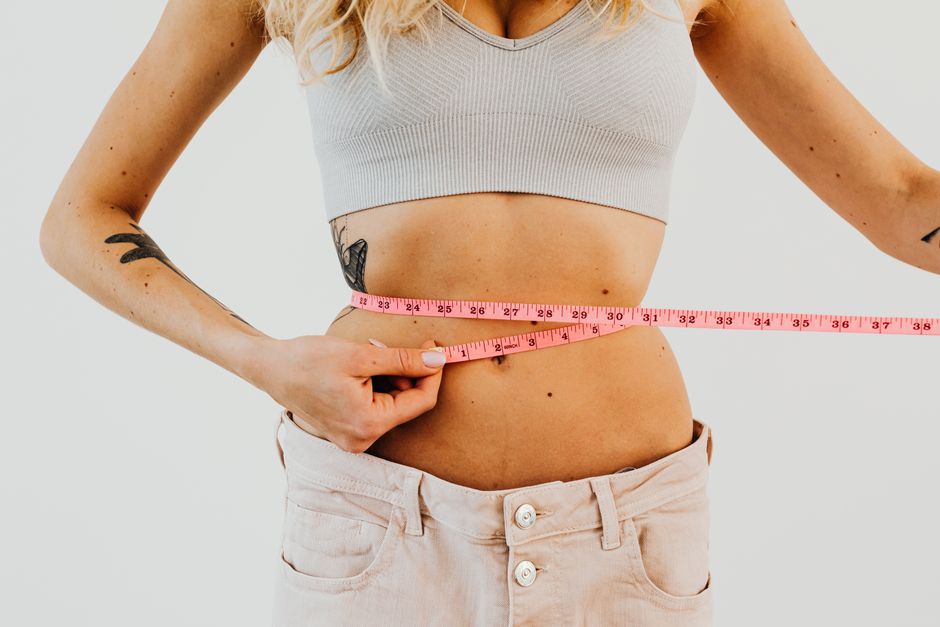
You started exercising to lose weight. Instead, your pants fit tighter. The reason is usually not fat gain. Exercise triggers a set of normal physiological responses — muscle glycogen storage, water retention, temporary inflammation, and sometimes a calorie surplus from increased appetite — that can expand your waist measurement even while your body composition is improving. Your waist can genuinely grow for a few weeks even when you are doing everything right. The question is which cause applies to you.
Why Is My Waist Getting Bigger With Exercise?
The most common reason is fluid and fuel storage inside your muscles, not fat accumulation. When you begin a new training program or increase intensity, your muscles pull in extra glycogen — the stored form of carbohydrate they use for fuel. Every gram of glycogen holds onto roughly 3 to 4 grams of water. That added water and glycogen adds real volume to your body, including your midsection.
This is a temporary state. It reflects adaptation, not failure. Your muscles are stocking up on fuel because they expect to be used again. The effect is usually most noticeable in the first two to six weeks of a new routine.
Muscle tissue itself also takes up more space than fat per unit of weight, but it is denser. A pound of muscle occupies less volume than a pound of fat. So if you are gaining lean mass while losing fat, your weight might stay the same or rise slightly while your waist measurement eventually shrinks — but not immediately.
There is also the possibility of a genuine calorie surplus. Exercise increases appetite for many people. If you are eating more than you realize because your body is demanding fuel, you can gain fat even while training. This is not a failure of exercise. It is a mismatch between intake and output.
Does Exercise Make Your Stomach Bigger?
Exercise does not directly enlarge your stomach. What can happen is that your abdominal muscles adapt to training by becoming thicker and stronger. This is especially true with heavy compound lifts, core work, and exercises that create intra-abdominal pressure. A stronger abdominal wall can push outward slightly, especially during and right after training.
For most people, this is not noticeable. For some, particularly those doing heavy squats, deadlifts, and overhead presses, the abdominal wall becomes more developed. That is muscle, not fat. It does not mean your waist is unhealthy. It means your core is doing its job.
Bloating is a separate issue. Exercise can affect digestion and gut motility. Some people experience bloating after workouts due to changes in blood flow to the digestive tract, dehydration, or what they eat around training. If your waist expands noticeably after eating or during certain workouts, digestion may be part of the picture.
How Long Does Water Retention From Exercise Last?
Water retention from a new exercise routine typically settles within two to six weeks. The exact timeline varies by person, training type, and how much muscle damage the workouts cause.
Eccentric exercise — the lowering phase of a movement, like lowering a dumbbell or running downhill — causes more muscle microdamage than concentric exercise. That damage triggers inflammation and fluid shifts as part of the repair process. The more novel and intense the workout, the more pronounced the temporary swelling.
This is why your waist can look bigger after starting a new program, even if you are in a calorie deficit. The scale and tape measure are not measuring fat alone. They are measuring everything: muscle, glycogen, water, food in transit, and inflammation.
If your waist is still growing after six to eight weeks of consistent training, the cause is likely something else — calorie surplus, fluid retention from other sources, or a medical issue that needs evaluation.




Can Exercise Cause Belly Fat?
Exercise itself does not cause belly fat. But certain patterns around exercise can contribute to fat gain, particularly visceral fat — the fat stored deep in the abdomen around your organs.
Visceral fat is more strongly linked to health risks than subcutaneous fat, the kind you can pinch. It responds to overall energy balance, stress hormones, sleep quality, and genetics.
Here is what can go wrong:
- Compensatory eating: You burn 400 calories in a workout and eat 600 extra because you feel entitled or genuinely hungrier. This is common and well documented.
- Chronic stress: Intense exercise without adequate recovery raises cortisol. Chronic elevated cortisol is associated with increased visceral fat storage.
- Poor sleep: Short sleep duration is linked to higher visceral fat and disrupted appetite regulation.
- Alcohol: Alcohol calories add up quickly and are associated with abdominal fat storage, though the relationship is complex.
None of these mean exercise is the problem. They mean the context around exercise matters.
Why Does My Waist Measure Bigger but My Weight Stay the Same?
This happens when body composition is shifting. You are losing fat and gaining muscle, or you are retaining water while losing fat. The scale stays flat because the changes cancel each other out. The tape measure can go up temporarily because water and glycogen take up space.
Muscle is denser than fat. A pound of muscle takes up less space than a pound of fat. So if you lose 2 pounds of fat and gain 2 pounds of muscle, your weight is unchanged but your body is smaller. However, during the transition, water retention can mask that shrinkage.
This is why waist measurements can be misleading in the short term. A single measurement tells you what is happening right now. A trend over four to eight weeks tells you what is actually changing.
Measure at the same time of day, under the same conditions. Morning, before eating, after using the bathroom, is the most consistent. Do not measure right after a workout or after a salty meal.
What Actually Reduces Waist Size?
A sustained calorie deficit is the primary driver of fat loss, including abdominal fat. Exercise supports that deficit by increasing energy expenditure and preserving muscle mass. But you cannot out-train a poor diet.
Research consistently shows that combining aerobic exercise with resistance training is more effective for reducing visceral fat than either alone. The effect is modest but real. The American College of Sports Medicine recommends at least 150 minutes of moderate-intensity aerobic activity per week for general health, and more for weight loss.
Sleep matters more than most people think. Short sleep duration is associated with higher visceral fat independent of diet and exercise. Aim for 7 to 9 hours.
Stress management is not optional. Chronic stress raises cortisol, which promotes visceral fat storage. This does not mean you need to meditate for an hour a day. It means finding sustainable ways to recover.
Protein intake supports muscle preservation during weight loss. The exact amount varies, but general guidance for active adults is higher than the minimum recommended for sedentary people. No single number fits everyone.
When Should You Be Concerned About a Growing Waist?
If your waist is expanding rapidly without explanation, or if it is accompanied by other symptoms, see a doctor. Rapid abdominal swelling can signal fluid retention from heart, liver, or kidney issues. It can also indicate a gastrointestinal problem.
Waist circumference is a clinical marker. A waist measurement of 40 inches or more in men and 35 inches or more in women is associated with higher risk of type 2 diabetes, heart disease, and other conditions. These thresholds come from the National Institutes of Health and are widely used in clinical practice.
If your waist is growing despite consistent exercise and a reasonable diet, and you have other symptoms like fatigue, bloating, or changes in bowel habits, get evaluated. Most of the time it is not serious. But it is worth ruling out.
How to Tell If It Is Muscle, Water, or Fat
You cannot tell from the scale alone. Here is what to look at:
- Timing: Water retention peaks in the first few weeks of a new routine. Fat gain accumulates more slowly.
- Texture: Muscle feels firm. Fat feels soft. Water retention can feel puffy or spongy.
- Clothing fit: If your waist is bigger but your clothes fit the same or looser in other areas, it is likely water or muscle.
- Trend: Look at four to eight weeks of data, not one measurement.
If you want a clearer picture, track your waist, hips, chest, and thighs. A changing ratio tells you more than a single number.
Frequently Asked Questions
Why is my waist getting bigger when I exercise more?
The most common cause is temporary water and glycogen storage in muscles, which can add inches to your waist in the first few weeks of a new routine. A calorie surplus from increased appetite can also contribute to real fat gain.
Does exercise make your stomach bigger?
Exercise does not enlarge your stomach, but it can thicken your abdominal muscles, which may push your waist outward slightly. Bloating from digestion or hydration changes can also make your stomach look bigger after workouts.
How long does water retention from exercise last?
Water retention from a new exercise routine usually settles within two to six weeks. If your waist is still growing after six to eight weeks, other causes are likely at play.
Can exercise cause belly fat?
Exercise does not directly cause belly fat, but compensatory eating, chronic stress, poor sleep, and alcohol can all contribute to visceral fat gain even when you are training. The context around exercise matters as much as the exercise itself.
