
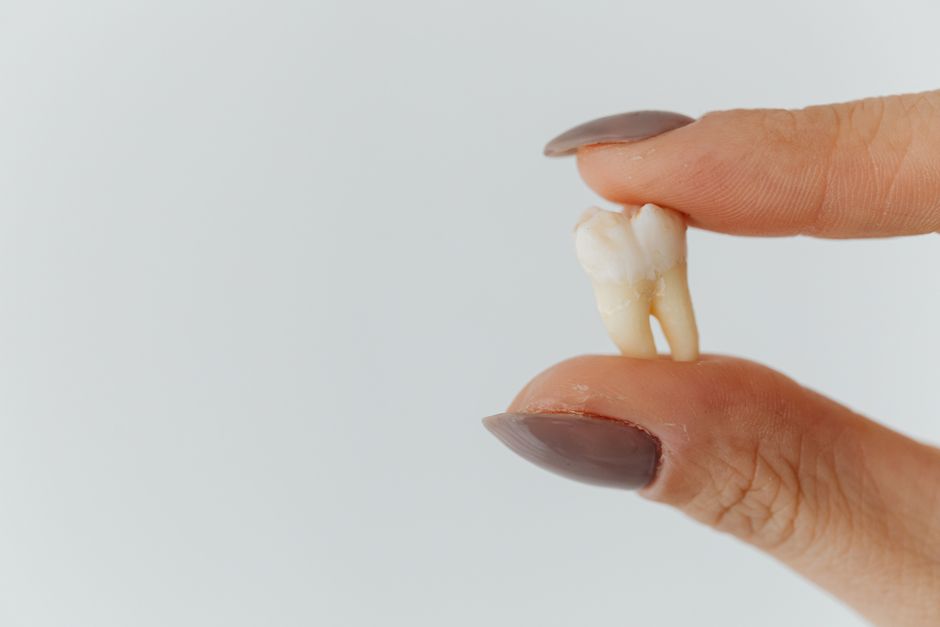
Tooth sensitivity that appears out of nowhere usually means something has changed in the way your tooth interacts with heat, cold, or pressure. The most common reason is that the protective outer layer of the tooth — the enamel — has worn thin or the gum has pulled back, exposing the softer layer underneath called dentin. When dentin loses its cover, tiny fluid-filled tubes that run toward the tooth’s nerve respond to temperature and touch, and your brain reads that movement as a sharp, quick pain.
That is the short answer. The longer answer depends on why the enamel wore down or the gum receded in the first place. Sometimes it is a single event. Sometimes it is a slow process you did not notice until it crossed a threshold. A few causes are harmless and easy to address. A few need a dentist’s attention soon.
Why Is My Tooth Sensitive All Of A Sudden Key Causes?
The suddenness is the clue. Sensitivity that builds gradually over months points toward slow enamel wear. Sensitivity that shows up over days or overnight usually points toward something more specific.
Here are the causes clinicians see most often, roughly in order of how frequently they explain a sudden onset.
- Gum recession. When gum tissue pulls away from the tooth, it exposes the root surface. Roots do not have enamel. They are covered by a thinner material called cementum, which wears away easily and leaves dentin exposed. Gum recession can happen without pain, so many people only notice it when sensitivity starts.
- Enamel wear from grinding or clenching. Bruxism — the clinical term for grinding or clenching, often during sleep — strips enamel over time. People frequently do not know they do it. A partner may notice the sound, or a dentist may spot flattened chewing surfaces.
- Aggressive brushing. Brushing hard with a firm-bristled brush, especially side to side at the gumline, abrades both enamel and gum tissue. This is one of the most preventable causes.
- Acidic erosion. Frequent contact with acidic drinks, citrus, or stomach acid wears enamel. This includes reflux and vomiting, not just diet.
- A cracked or chipped tooth. A fracture can expose dentin or irritate the pulp directly. This type of sensitivity is often sharper and may come with pain when biting down.
- Dental work. Sensitivity after a filling, crown, or cleaning is common and usually settles. It is temporary in most cases.
- Tooth decay or a loose filling. Cavities and failing restorations expose dentin and can let bacteria get closer to the nerve.
- Recent whitening treatment. Bleaching agents temporarily increase sensitivity in many people. This typically fades.
- Gum infection or periodontal disease. Receding gums from gum disease expose roots and can also cause a dull ache.
One clarification worth making: sensitivity and a cavity are not the same thing. A small cavity often causes no pain at all until it reaches deeper layers. Sudden sensitivity is more often a coverage problem — exposed dentin — than a decay problem. That distinction matters because the fixes are different.
What Is Actually Happening Inside the Tooth?
The mechanism is well established and worth understanding because it explains why certain treatments work and others do not.
Under the enamel sits dentin, a porous layer made of microscopic tubules. These tubules run from the outer edge of the tooth inward toward the pulp, where the nerve sits. The tubules contain fluid.
When the exposed surface of dentin meets a sudden temperature change or physical pressure, that fluid moves slightly within the tubules. This movement is detected by nerve endings at the inner end of the tubules, and the signal is interpreted as pain. This is called the hydrodynamic theory, and it is the leading explanation for dentin sensitivity.
Two things follow from this. First, anything that blocks the tubules or reduces fluid movement reduces the pain. Second, anything that removes the protective layer over the dentin makes the problem worse. That is why treatments focus on sealing the surface or rebuilding the barrier.
When Is Sudden Tooth Sensitivity a Dental Emergency?
Most sensitivity is not urgent. Some patterns need prompt attention.
Seek care soon if you have:
- Pain that lingers for more than a few seconds after the trigger is gone
- Spontaneous pain that wakes you at night
- Pain on biting or chewing that feels deep rather than sharp
- Swelling in your face, jaw, or gum
- A fever alongside tooth pain
- Discoloration of a single tooth after trauma
These signs can point to pulpitis, an infection, or an abscess. Those conditions do not resolve on their own and can worsen. A sharp pain that appears only with cold and disappears immediately is more typical of simple dentin sensitivity.
If you have had a blow to the tooth, even a minor one, and sensitivity follows, get it checked. Trauma can damage the pulp in ways that are not visible.





What Helps Sensitive Teeth?
For sensitivity caused by exposed dentin, the most reliable approach is to reduce tubule fluid movement. Several methods do this, and evidence supports some more than others.
Desensitizing toothpastes are the most common first step. Many contain potassium salts, which are thought to reduce nerve excitability, or stannous fluoride and similar compounds, which help block tubules. These are widely recommended by dentists, and many people get relief. Response varies, and it can take consistent use over a period of weeks before you notice a difference.
Fluoride varnish applied in a dental office is another option. So are bonding agents and sealants that physically cover exposed root surfaces. These are clinical treatments, not home remedies, and a dentist decides whether they fit your situation.
A soft-bristled brush and a gentler technique help stop the problem from getting worse. So does limiting how often acidic drinks contact your teeth — and rinsing with water afterward rather than brushing immediately. Brushing right after acid exposure can remove softened enamel.
For grinding, a dentist may recommend a night guard. This protects enamel from further wear but does not reverse damage already done.
If the cause is a cracked tooth, a loose filling, or decay, no toothpaste will fix it. That needs a repair.
What Makes Tooth Sensitivity Worse?
Certain habits and conditions keep the cycle going.
Highly acidic diets are a major factor. Frequent sipping of soda, sports drinks, or citrus juice throughout the day keeps enamel under repeated acid attack. The frequency matters as much as the amount.
Gastroesophageal reflux disease, or GERD, exposes teeth to stomach acid, often at night. People with reflux sometimes have widespread enamel erosion without realizing the cause. This is worth mentioning to both a dentist and a doctor.
Eating disorders involving vomiting cause similar damage. So does frequent consumption of acidic foods combined with dry mouth, since saliva normally helps neutralize acid and rinse the mouth. Medications that reduce saliva flow can indirectly increase erosion risk.
Over-the-counter whitening products used too often can also keep sensitivity going. So can brushing immediately after acidic meals.
Does Tooth Sensitivity Ever Go Away on Its Own?
Sometimes. Sensitivity after a dental cleaning or filling often fades within days to a few weeks as the tooth settles. Sensitivity from recent whitening usually resolves once the treatment stops.
Sensitivity caused by receded gums or worn enamel does not reverse on its own, because the lost tissue does not grow back. It can be managed, and symptoms can improve with treatment, but the underlying change is permanent. This is why prevention matters more than repair.
If sensitivity persists despite using a desensitizing toothpaste for several weeks, or if it is getting worse, that is a signal to see a dentist. Persistent sensitivity can point to a problem that needs treatment rather than management.
How Do You Prevent Sudden Tooth Sensitivity?
You cannot control every cause, but several of the most common ones respond to daily habits.
- Use a soft-bristled brush and light pressure. Let the bristles do the work.
- Brush twice a day with fluoride toothpaste.
- Limit acidic drinks and avoid sipping them slowly over long periods.
- Rinse with water after acidic food or drink, and wait before brushing.
- Address reflux or frequent vomiting with a doctor.
- Ask your dentist about a night guard if you grind your teeth.
- Keep regular dental visits so recession and wear are caught early.
None of these guarantee you will never have sensitivity. They reduce the odds of the most preventable causes.
Frequently Asked Questions
Why did my tooth suddenly become sensitive?
The most common cause is exposed dentin, which happens when enamel wears down or gums recede and uncover the tooth root. A cracked tooth, a new filling, or recent whitening can also trigger sudden sensitivity.
Can tooth sensitivity be a sign of something serious?
Usually it is not, but pain that lingers, wakes you at night, or comes with swelling or fever can point to infection or pulp damage. Those signs need prompt dental care.
How long does sudden tooth sensitivity last?
Sensitivity after dental work or whitening often fades within days to a few weeks. Sensitivity from receded gums or worn enamel tends to persist unless it is treated, because the lost tissue does not regrow.
Should I see a dentist for sensitive teeth?
See a dentist if sensitivity lasts more than a few weeks, keeps getting worse, or comes with pain on biting. A dentist can identify the cause and rule out decay or a cracked tooth.
