
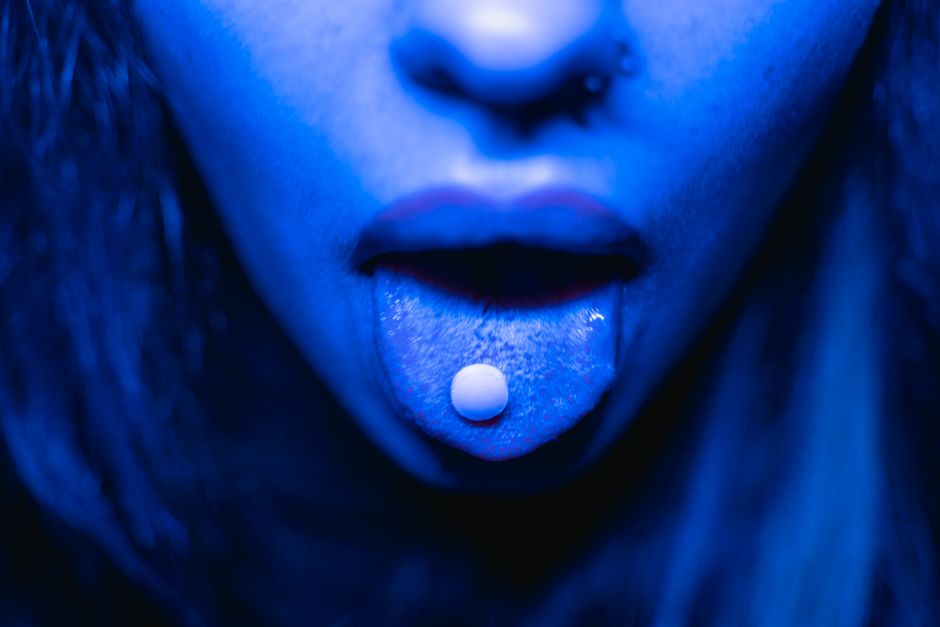
A blue tongue is not something you see every day, and when you do, it usually means one of two very different things. Most often it comes from something you ate or drank — a blue slushie, a hard candy, or a mouthwash — and it fades on its own within hours. Less often, a blue or purplish tongue is a real medical signal, usually pointing to a problem with oxygen getting to your blood or with blood flow to the tongue itself. That second group is the one that needs urgent attention.
The color of your tongue is a window into your circulation. A healthy tongue is pink because the tissue underneath is packed with tiny blood vessels carrying oxygen-rich blood. When that blood loses oxygen or stops flowing normally, the color shifts toward blue or purple. So the question is almost always: is this just dye sitting on the surface, or is the blood underneath the problem?
Why Is My Tongue Blue Harmless And Serious Causes?
Harmless causes sit on the surface of the tongue. Serious causes come from inside the blood or the blood vessels. That single distinction explains almost every case.
Dyes from food, drink, candy, ice pops, and some mouth rinses can temporarily stain the tongue blue or purple. The color usually wipes off or fades within a few hours, and it does not affect how you feel. Some people also notice a blue tint under the tongue from certain medications, including some antacids and bismuth-containing stomach remedies, which can darken the tongue and stool temporarily.
The serious causes are about oxygen and blood flow. When blood carries less oxygen than normal, the skin and mucous membranes — including the tongue and lips — can take on a bluish or purplish tone. This is called cyanosis. It can happen when the lungs are not moving enough oxygen into the blood, when the heart is not pumping efficiently, or when the blood itself cannot carry oxygen properly. A blue tongue from any of these causes is a medical emergency, not a wait-and-see situation.
There is a third category worth knowing: local problems with blood flow to the tongue itself. If circulation to the tongue is reduced, the tissue can look blue or dusky even when the rest of the body is fine. This is uncommon but real.
What Does a Blue Tongue Usually Mean?
In everyday life, a blue tongue usually means dye. That is the honest answer for most people who notice it after eating or drinking something brightly colored.
Food dyes are the most common culprit. Blue raspberry candy, sports drinks, snow cones, and certain cereals are frequent offenders. The dye coats the papillae — the tiny bumps on the tongue’s surface — and can linger for a few hours. Brushing your tongue gently usually removes it faster.
Some medications and supplements can also cause a blue or dark tongue. Bismuth subsalicylate, the active ingredient in some stomach remedies, is a well-documented cause of a temporarily dark tongue and dark stool. This is harmless and reverses when you stop taking it. Certain other medicines, including some that affect blood chemistry, can rarely cause color changes too.
If you have not eaten or drunk anything blue, and the color does not fade within a few hours, that is when the harmless explanation becomes less likely.
When Is a Blue Tongue a Medical Emergency?
A blue tongue that comes with trouble breathing, chest pain, confusion, or a bluish tint to the lips and fingertips is an emergency. Call emergency services right away.
These signs point to cyanosis — not enough oxygen in the blood. When oxygen levels drop, the body prioritizes the brain and vital organs, and the tongue, lips, and fingertips can turn blue first because they are at the edges of the circulation. This can happen with severe asthma attacks, pneumonia, heart failure, a blood clot in the lung, or a heart defect present from birth.
Other warning signs to take seriously include:
- Shortness of breath or a feeling you cannot get enough air
- Rapid heartbeat or chest tightness
- Dizziness, confusion, or fainting
- Blue lips, gums, or fingernails along with the tongue
- Swelling in the face, lips, or throat
Any of these with a blue tongue means get help immediately. Do not wait to see if it improves on its own.





What Causes a Blue Tongue From Low Oxygen?
Low oxygen in the blood is the most serious reason a tongue turns blue. The medical term is cyanosis, and it has several possible sources.
Lung problems are a common cause. Conditions that block airflow or prevent oxygen from crossing into the blood — severe asthma, chronic obstructive pulmonary disease flare-ups, pneumonia, or a collapsed lung — can drop oxygen levels enough to change the color of the tongue and lips.
Heart problems are another. If the heart cannot pump blood effectively, or if there is a hole between the chambers that lets oxygen-poor blood mix with oxygen-rich blood, the blood that reaches the tongue carries less oxygen. Some of these are congenital heart defects that may not be diagnosed until later in life.
Blood problems can also do it. A rare condition called methemoglobinemia changes the hemoglobin in red blood cells so it cannot carry oxygen properly. This can be triggered by certain medications, by exposure to some chemicals, or it can be inherited. The result is a bluish tint to the skin and mucous membranes, often with a chocolate-brown appearance to the blood. This is a medical emergency.
In all of these cases, the blue tongue is a symptom, not the disease. The underlying cause is what needs treatment.
How Do Doctors Tell the Difference?
Doctors start with the simplest question: did you eat or drink something blue? If the answer is yes and you feel well, the color usually fades and no testing is needed.
If the cause is unclear, or if you have symptoms like shortness of breath or chest pain, the evaluation moves quickly. A pulse oximeter — the clip on the finger — measures oxygen saturation in the blood. A normal reading is generally 95% or higher, though this can vary slightly. A low reading points toward an oxygen problem.
Blood tests can check for methemoglobin, which is the abnormal form of hemoglobin that cannot carry oxygen. A blood gas test measures oxygen and carbon dioxide levels directly. An electrocardiogram or echocardiogram can look at heart function if a heart problem is suspected. Chest imaging may be done if a lung issue is possible.
The key point is that a blue tongue from dye needs no workup. A blue tongue from low oxygen needs immediate evaluation and treatment of the underlying cause.
What Else Can Make the Tongue Look Blue or Purple?
Not every blue or purple tongue is about oxygen or dye. A few other conditions can change the tongue’s appearance, and it helps to know the difference.
Poor circulation to the tongue itself can cause a dusky or bluish look. This is uncommon, but it can happen with certain vascular problems. The tongue may look blue in patches rather than all over.
Some people have a condition called cyanosis that affects only the extremities — fingers, toes, and sometimes the tip of the nose — when they are cold. This is called acrocyanosis. It is usually harmless and does not typically involve the tongue, but cold can sometimes make the tongue look slightly darker in people with poor circulation.
Certain blood disorders can also change color. For example, a condition called polycythemia, where the body makes too many red blood cells, can make the blood thicker and slower-moving, which can give a bluish or reddish-purple tint to mucous membranes. This is diagnosed with blood tests.
Finally, some people simply have a naturally darker or more purple-toned tongue. If it has always looked that way and you feel fine, it is likely just your normal coloring.
Frequently Asked Questions
Can a blue tongue go away on its own?
Yes, if it is caused by food dye or a medication, it usually fades within a few hours to a day. If it does not fade and you have other symptoms, get medical help.
Is a blue tongue always a sign of low oxygen?
No, most cases are from dye or medication and are harmless. A blue tongue from low oxygen usually comes with breathing trouble, chest pain, or blue lips and fingertips.
What should I do if my tongue turns blue suddenly?
If you have trouble breathing, chest pain, or confusion, call emergency services immediately. If you feel fine and recently ate something blue, wait a few hours and see if it fades.
Can dehydration cause a blue tongue?
Dehydration can make the tongue look dry and darker, but it does not typically turn it blue. A blue color is more often from dye, medication, or a circulation or oxygen problem.
