
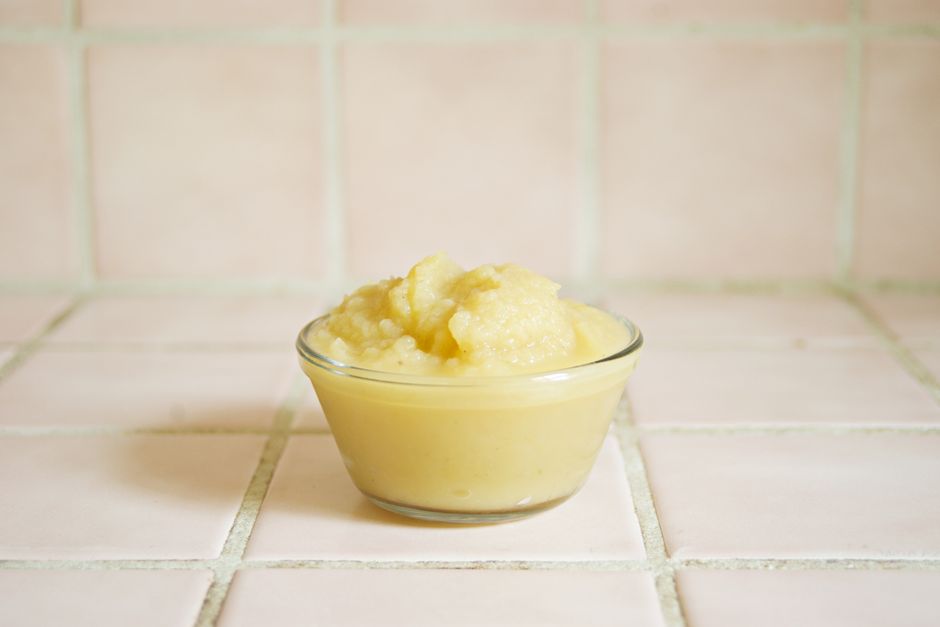
Yellow tallow usually comes from carotene pigments carried over from the animal’s diet. Cows grazing green pasture take in beta carotene from grass, and some of it is stored in their fat. That fat becomes tallow when rendered, and the yellow color goes with it. The color is a sign of what the animal ate, not a sign of spoilage or poor quality.
Beta carotene is a fat-soluble pigment. It dissolves into fat tissue rather than water, so it stays in the fat when tallow is rendered. Grass-fed animals typically produce yellower fat than grain-fed animals because grass contains more of these pigments.
Why Is My Tallow Yellow Beta Carotene Explained?
Beta carotene is one of a group of pigments called carotenoids. Plants make these pigments, and animals cannot. When a cow eats grass or other green forage, the beta carotene moves into her bloodstream and then into her fat. Fat-soluble compounds like beta carotene are stored in fat tissue rather than being quickly used up or passed out of the body.
Ruminant animals such as cows and sheep absorb carotenoids from their feed and deposit them in body fat. This is why beef fat from pasture-raised cattle often has a yellow tint. The same pigment that makes grass green and carrots orange is responsible for the color in the fat.
Poultry fat works the same way. Egg yolks are yellow or orange because hens deposit carotenoids from their feed into the yolk. A chicken fed a diet rich in yellow corn or pasture forage lays deeper-colored yolks than one fed a plain grain diet. The principle is identical for tallow.
Where the color comes from in the animal
Diet is the main driver, but it is not the only one. Animal species, age, and breed all affect how much carotene ends up in the fat.
- Species: Cattle and sheep store carotene in their fat more readily than pigs and goats, which tend to have whiter fat.
- Diet: Fresh green grass and pasture contain more carotenoids than dried grain.
- Age: Older animals have had more time to accumulate pigments in their fat.
- Breed and genetics: Some animals convert beta carotene to vitamin A more efficiently, leaving less stored pigment.
Sheep are a useful comparison. Sheep convert beta carotene to vitamin A much more efficiently than cattle, so sheep fat is usually white even on pasture. Cattle are less efficient at this conversion, which is part of why beef fat often carries a yellow tint. This is a well-documented species difference in how carotenoids are handled.
Does Yellow Tallow Mean It Is Grass-Fed?
Yellow color is consistent with a pasture-heavy diet, but it is not a reliable test of grass-fed status. Color depends on several factors, and a white tallow does not prove an animal was grain-fed.
Grass-fed beef fat is often yellow because of the carotene in fresh forage. But an animal finished on grain can still have yellowish fat if it had a long pasture season earlier in life. Conversely, a grass-fed animal can produce paler fat depending on the season, the type of forage, and how efficiently it converts carotene.
Color alone cannot confirm how an animal was raised. If grass-fed status matters to you, a certification or a direct conversation with the producer is more reliable than the shade of the fat. Marketing can lean on color as a signal, but color is not a regulated standard.
Is Yellow Tallow Safe to Eat?
A yellow tint from carotene is normal and does not indicate spoilage. Color from diet is expected and is not a safety concern on its own.
What matters for safety is how the tallow was rendered, stored, and handled. Rendered fat can go rancid over time, and rancidity is the real quality issue to watch for. Signs of rancidity include a sharp or off smell, a sticky texture, and a change in color toward gray or brown rather than yellow.
Store rendered tallow in a cool, dark place or in the refrigerator for longer keeping. Heat, light, and oxygen speed up rancidity. A clean, mild smell and a uniform yellow or white color are reassuring. An unpleasant, acrid smell is not.
Color changes that come with an off smell or visible mold are different from a natural yellow tint. When in doubt about a batch, discard it. Food safety guidance from public health agencies consistently treats unusual odors and visible spoilage as reasons not to eat a fat.
Does Beta Carotene in Tallow Give You Vitamin A?
Tallow contains some beta carotene, but it is not a meaningful source of vitamin A. The amount is small, and beta carotene is only one part of what makes up the fat.
Beta carotene is a provitamin A carotenoid, meaning the body can convert it into vitamin A. But the conversion is limited and varies between people. The carotene present in a spoonful of tallow is a tiny fraction of what you would get from a carrot or a sweet potato. Treating tallow as a vitamin A supplement would be a mistake.
If you want beta carotene in your diet, plant foods are the reliable source. Carrots, sweet potatoes, spinach, and winter squash are well-established sources. The small amount in tallow is incidental, not a reason to eat it.
Why Is Some Tallow White and Some Yellow?
The difference comes down to diet, species, and how much carotene the animal stored. Both colors are normal.
Beef suet and kidney fat from pasture-raised cattle often show a yellow tone. Tallow from grain-finished cattle is more often white or cream. Pork fat and goat fat are typically whiter because those species store less carotene. The same animal can produce fat of slightly different shades depending on the season and feed.
Processing matters too. Slow rendering at low heat preserves color. High heat and long cooking can darken fat slightly. Filtration removes some solids but does not change the underlying carotene content.
| Fat source | Typical color | Main reason |
|---|---|---|
| Pasture-raised beef tallow | Yellow to cream | Carotene from green forage |
| Grain-finished beef tallow | White to pale cream | Less carotene in feed |
| Sheep tallow | Usually white | Efficient carotene-to-vitamin A conversion |
| Pork lard | White | Pigs store little carotene |
The table reflects general patterns, not strict rules. Individual animals vary, and a single sample can fall outside the typical range.
Does Yellow Color Affect Taste or Cooking Performance?
Carotene itself has little effect on how tallow behaves in the pan. The yellow tint is cosmetic for most cooking purposes.
What affects performance is the rendering and storage history, not the color. Well-rendered tallow has a high smoke point and works well for high-heat cooking. Rancid fat, whatever its color, will taste off and should not be used.
Some people notice a slightly stronger flavor in pasture-raised tallow. That difference is more likely tied to the overall diet and fat composition than to carotene specifically. Taste is subjective, and a mild grassy note is not the same as spoilage.
What Should You Do If Your Tallow Turns Color?
A natural yellow tint is not a problem. A change in color that comes with an off smell or texture is.
If tallow that was previously white turns yellow over time, that alone is not a safety signal. If it also develops a sharp smell, a sticky surface, or dark patches, treat it as suspect and discard it. Rancidity is the concern, not pigment.
To slow color and quality changes, keep rendered tallow in a sealed container away from light and heat. Refrigeration extends shelf life. Small batches used within a reasonable time reduce the chance of waste.
Frequently Asked Questions
Why is my tallow yellow?
Yellow tallow usually contains beta carotene carried over from the animal’s diet, especially green pasture. The pigment is fat-soluble, so it stays in the fat when rendered.
Is yellow tallow bad?
No, a yellow tint from carotene is normal and not a sign of spoilage. Judge quality by smell and texture rather than color alone.
Does yellow tallow mean it is grass-fed?
Yellow color is consistent with a pasture diet but does not prove it. Color depends on species, season, and genetics, so a certification or producer details are more reliable.
Can I get vitamin A from yellow tallow?
Only in very small amounts. Tallow is not a meaningful vitamin A source, and plant foods like carrots and sweet potatoes are far more reliable.
