
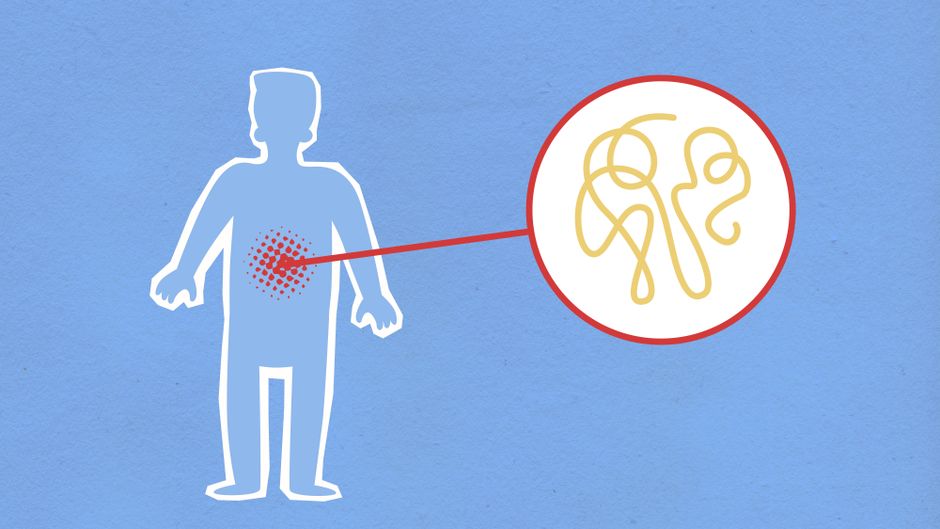
Stomach inflammation happens when the protective lining of your stomach becomes irritated or damaged, triggering redness, swelling, and the symptoms most people feel as pain, burning, or nausea. The most common cause worldwide is infection with Helicobacter pylori bacteria, though alcohol, certain pain medicines, and autoimmune conditions also play a role. What helps depends entirely on the cause, which is why persistent stomach symptoms deserve a proper medical look rather than guesswork.
What Does “Inflamed Stomach” Actually Mean?
The medical term is gastritis. It describes inflammation of the stomach’s mucosal lining, the layer that shields the stomach wall from its own acid.
That lining is tougher than most tissue in the body. It has to be, since it sits in an environment with a pH that can drop below 2. When the lining gets inflamed, the barrier weakens. Acid that the stomach normally handles without complaint starts to irritate the tissue underneath.
Doctors divide gastritis into two broad types. Acute gastritis comes on suddenly and often resolves once the trigger is removed. Chronic gastritis develops slowly and can persist for months or years, sometimes without obvious symptoms.
One detail worth knowing: inflammation and symptoms don’t always match. Some people have visible inflammation on a biopsy with no discomfort at all. Others have significant pain with relatively mild tissue changes. That mismatch is one reason self-diagnosis is unreliable.
Why Is My Stomach Inflamed? Causes And What Helps
Most cases trace back to one of a handful of causes. Identifying which one applies to you changes everything about how it should be managed.
Helicobacter pylori infection is the leading cause of chronic gastritis worldwide. This bacterium lives in the stomach lining and can persist for decades. In many people it causes no symptoms. In others it leads to inflammation, ulcers, and in a minority of cases, stomach cancer. Testing for it is straightforward, and treatment usually involves a combination of antibiotics and acid-suppressing medicine.
Nonsteroidal anti-inflammatory drugs (NSAIDs) are the second major cause. Ibuprofen, naproxen, and aspirin work by blocking enzymes called COX-1 and COX-2. Blocking COX-1 reduces production of prostaglandins, which are compounds that help protect the stomach lining. That’s the trade-off: pain relief in exchange for a weaker mucosal defense. Regular use, especially at higher doses, raises the risk of gastritis and ulcers.
Alcohol directly irritates the stomach lining, particularly at high concentrations. Heavy drinking is well documented as a cause of acute gastritis.
Autoimmune gastritis is less common. The immune system mistakenly attacks the cells that produce stomach acid and intrinsic factor, a protein needed to absorb vitamin B12. Over time this can lead to B12 deficiency and a type of anemia called pernicious anemia.
Other contributors include severe physiological stress (such as major illness, burns, or surgery), bile reflux, and certain infections other than H. pylori. In many cases, no single cause is identified.
What Symptoms Point to Stomach Inflammation?
Symptoms vary widely. Some people feel a dull ache in the upper abdomen. Others describe burning, gnawing discomfort, or a feeling of fullness after eating very little.
- Upper abdominal pain or burning, often worse on an empty stomach
- Nausea or occasional vomiting
- Loss of appetite
- Bloating and belching
- A feeling of early fullness during meals
These symptoms overlap heavily with other conditions, including peptic ulcers, acid reflux, and functional indigestion. That overlap is why symptoms alone rarely confirm a diagnosis.
Some signs should prompt urgent medical attention rather than home management. Black or tarry stools, vomiting blood, severe pain, unexplained weight loss, or difficulty swallowing all warrant prompt evaluation. These can signal bleeding or other serious problems.
How Is Stomach Inflammation Diagnosed?
Doctors start with history and examination. The pattern of symptoms, medication use, alcohol intake, and family history all shape the picture.
Testing for H. pylori is usually a first step when infection is suspected. Several methods exist, including breath tests, stool tests, and blood tests. Breath and stool tests can show whether an active infection is present. Blood tests show exposure but cannot confirm whether the infection is still active.
Upper endoscopy is the most direct way to see the stomach lining. A thin flexible tube with a camera is passed through the mouth into the stomach, and small tissue samples can be taken. A biopsy is the only way to confirm the type of gastritis and rule out other conditions. Endoscopy isn’t needed for every case, but it becomes important when symptoms persist, red flags appear, or the diagnosis is unclear.
Some clinicians also check vitamin B12 levels when autoimmune gastritis is suspected, since that condition can quietly cause deficiency over years.
What Actually Helps Stomach Inflammation?
Treatment targets the cause. Removing the trigger is the most reliable step when one can be identified.
If NSAIDs are the cause, reducing or stopping them often allows the lining to recover. This should be discussed with a doctor, since some people take these medicines for heart protection or chronic pain. Never stop a prescribed medicine without medical guidance.
If H. pylori is present, eradication therapy is the standard approach. Regimens typically combine antibiotics with a proton pump inhibitor, and treatment is followed by testing to confirm the infection has cleared. Success rates vary, and antibiotic resistance is a growing concern, so confirmation testing matters.
For symptom relief and lining recovery, doctors commonly recommend acid-suppressing medications such as proton pump inhibitors or H2 blockers. These reduce acid exposure and give the tissue time to heal. They treat the environment, not the underlying cause, which is why identifying the cause still matters.
Practical steps that support recovery:
- Limit alcohol, especially during flare-ups
- Avoid smoking, which impairs healing of the stomach lining
- Eat smaller meals if large ones trigger discomfort
- Review all medicines, including over-the-counter pain relievers, with a pharmacist or doctor
Diet changes are commonly recommended, but the evidence here is limited. No specific diet has been shown to cure gastritis. Avoiding foods that clearly trigger your symptoms is reasonable, but there is no single “gastritis diet” backed by strong trials.
Does Diet or Stress Cause Gastritis?
Stress and spicy food are frequently blamed for stomach inflammation. The evidence is more nuanced than the popular story suggests.
Psychological stress does not appear to directly cause chronic gastritis in the way H. pylori or NSAIDs do. However, stress can affect digestion, increase sensitivity to discomfort, and influence habits like drinking or poor eating. Severe physical stress, such as major surgery or critical illness, is a different matter and is a recognized cause of acute stress gastritis.
Spicy foods and caffeine can worsen symptoms in people who already have inflammation, but they are not established causes of gastritis itself. The distinction matters: something that aggravates symptoms is not the same as something that causes the disease.
This is where a lot of viral health advice goes wrong. Cutting out coffee or spicy food may help you feel better, but it won’t treat an H. pylori infection or undo NSAID damage.
When Should You See a Doctor?
See a doctor if stomach pain persists for more than a week or two, keeps returning, or interferes with eating and daily life. Persistent symptoms deserve evaluation rather than repeated rounds of over-the-counter antacids.
Seek care promptly for black stools, vomiting blood, severe or worsening pain, unexplained weight loss, or trouble swallowing. These are not symptoms to manage at home.
Age matters too. New stomach symptoms in adults over 60 warrant a lower threshold for evaluation, since the risk of serious underlying conditions rises with age. This doesn’t mean something serious is likely. It means the balance of caution shifts.
Stomach inflammation is common and often manageable. The key is finding the cause rather than guessing at it.
Frequently Asked Questions
How do you know if your stomach is inflamed?
You can’t confirm it on your own, because symptoms like upper abdominal pain, nausea, and bloating overlap with several conditions. A doctor can diagnose gastritis through history, testing for H. pylori, and sometimes an endoscopy with biopsy.
What is the most common cause of stomach inflammation?
Infection with Helicobacter pylori bacteria is the leading cause of chronic gastritis worldwide. Regular use of NSAID pain relievers is the other major cause.
Does stomach inflammation go away on its own?
Acute gastritis caused by alcohol or a short course of NSAIDs often improves once the trigger is removed. Chronic gastritis, especially from H. pylori or autoimmune causes, usually needs medical treatment and does not reliably resolve without it.
What foods should you avoid with gastritis?
There is no single proven diet for gastritis, so no food list applies to everyone. Avoiding items that clearly trigger your own symptoms, and limiting alcohol, is reasonable while you get the underlying cause evaluated.
