
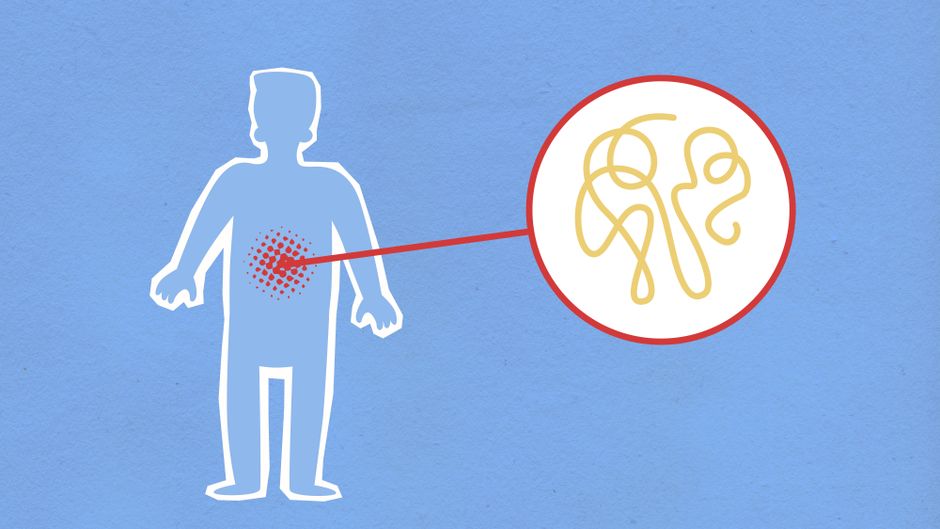
Sharp stomach pain usually means something is irritating, stretching, or squeezing an organ or muscle in your belly. That message travels along nerves to your brain, and your brain reports it as a sudden, stabbing sensation. The location and timing of the pain are the biggest clues to what is causing it.
Why Is My Stomach Giving Me Sharp Pains?
Sharp pain is different from a dull ache. Dull pain often comes from an organ stretching slowly. Sharp pain usually means a nerve is being irritated, a muscle is spasming, or a hollow organ is being blocked or squeezed.
The belly holds many organs packed close together. The stomach, small intestine, colon, gallbladder, pancreas, liver, kidneys, and reproductive organs all sit in a small space. When one of them is irritated, the pain signal travels fast. That is why the sensation feels sudden and precise rather than vague.
Where the pain sits matters a lot. Pain in the upper middle often points to the stomach or the first part of the small intestine. Pain in the upper right can involve the gallbladder or liver. Pain in the lower right can involve the appendix. Pain that wraps around to the back can involve the pancreas. Pain in the lower left often involves the colon.
This is a general map, not a diagnosis. Organs share nerve pathways, so pain can show up in a spot that seems unrelated to the real problem. That is why doctors ask about timing, triggers, and other symptoms, not just location.
What Are the Most Common Causes of Sharp Stomach Pain?
Most short-lived sharp stomach pain comes from gas, indigestion, or a passing muscle spasm. These are common and usually settle on their own within hours.
Gas trapped in the intestines can cause brief, stabbing pain as it moves. The pain often shifts location and eases after passing gas or having a bowel movement. Indigestion after a large or fatty meal can cause sharp burning pain in the upper belly.
Other common causes include:
- Constipation — hard stool stretches the colon and can cause sharp cramping
- Stomach virus — often causes cramping along with vomiting or diarrhea
- Food intolerance — the body reacts to certain foods and the gut cramps in response
- Menstrual cramps — the uterus contracts, which can cause sharp lower belly pain
- Muscle strain — a pulled abdominal muscle can hurt sharply with movement or coughing
Some causes are more serious. Gallstones can block the duct from the gallbladder and cause intense pain in the upper right belly, often after fatty meals. Kidney stones cause severe pain that starts in the back or side and moves toward the groin. Appendicitis typically starts as a dull ache near the belly button and moves to the lower right, becoming sharper over time.
Peptic ulcers can cause a sharp, burning pain in the upper belly. The pain may come and go and can worsen when the stomach is empty or after eating, depending on the ulcer’s location.
When Does Sharp Stomach Pain Need Emergency Care?
Some sharp stomach pain is a medical emergency. Getting care fast can matter more than figuring out the cause on your own.
Seek emergency care if the pain is:
- Severe and getting worse instead of better
- Accompanied by a rigid, hard, or board-like belly
- Paired with a high fever
- Accompanied by repeated vomiting, especially vomit that is green or bloody
- Paired with blood in your stool or black, tarry stool
- Accompanied by yellowing of the skin or eyes
- Making it hard to breathe or stand upright
A rigid belly is a specific warning sign. It can indicate that the abdominal cavity is inflamed, which happens in conditions like a perforated ulcer or severe pancreatitis. This is not something to watch at home.
Pain that starts suddenly and reaches maximum intensity within seconds is also a red flag. This pattern can suggest a tear or rupture in an organ or blood vessel. It requires immediate evaluation.
How Do Doctors Figure Out the Cause?
Doctors start with your history and a physical exam. They ask where the pain started, where it is now, what makes it better or worse, and what other symptoms you have. They press on your belly to check for tenderness, swelling, or a rigid feel.
From there, tests depend on what they suspect. Common tests include:
- Blood tests — check for infection, inflammation, liver problems, or pancreas problems
- Urine tests — can detect urinary tract infections or kidney stones
- Ultrasound — often used first for gallbladder and kidney issues, and for pelvic organs
- CT scan — gives a detailed view of the abdomen and is common in emergency settings
- Endoscopy — a camera passed down the throat to look at the stomach and upper intestine
The choice of test depends on the suspected cause and the person’s age, sex, and medical history. There is no single test that covers every possible cause of sharp stomach pain.
What Does the Location of the Pain Tell You?
The location of sharp stomach pain gives useful clues, though it is not a diagnosis on its own. Doctors use location along with timing and other symptoms.
| Location | Possible Causes |
|---|---|
| Upper middle | Indigestion, gastritis, peptic ulcer, early appendicitis |
| Upper right | Gallstones, gallbladder inflammation, liver issues |
| Upper left | Spleen issues, pancreatitis, stomach problems |
| Lower right | Appendicitis, ovarian issues, kidney stones |
| Lower left | Diverticulitis, constipation, ovarian issues |
| Wrapping to the back | Pancreatitis, kidney stones, aortic problems |
This table reflects general patterns. Pain from one organ can appear in an unexpected place because organs share nerve pathways. For example, gallbladder pain can sometimes be felt in the right shoulder. Heart-related pain can sometimes be felt in the upper belly.
That last point is worth knowing. Some heart attacks cause pain that feels like indigestion or upper belly discomfort rather than classic chest pain. This is more common in women and in people with diabetes. If upper belly pain comes with shortness of breath, sweating, or nausea, it needs urgent evaluation.
What Can You Do About Mild Sharp Stomach Pain at Home?
For mild, short-lived sharp pain without warning signs, a few simple steps may help while your body settles.
- Rest and avoid heavy meals until the pain eases
- Sip water to stay hydrated
- Try a warm compress on the belly for muscle-related pain
- Avoid foods that commonly trigger gas, like beans, carbonated drinks, and fried foods
- Gently walk around, which can help move trapped gas
These steps are comfort measures, not treatments. They do not address the underlying cause. If the pain keeps returning, gets worse, or comes with other symptoms, see a doctor.
Do not take pain relievers like ibuprofen or aspirin for undiagnosed stomach pain without asking a doctor. These medications can irritate the stomach lining and make ulcers or gastritis worse. They can also mask symptoms that a doctor needs to see clearly.
Some clinicians recommend avoiding solid food for a short time if you feel nauseated. There is no single home remedy proven to resolve sharp stomach pain from all causes. The evidence here is limited, and what helps depends heavily on the cause.
How Can You Lower Your Risk of Recurring Stomach Pain?
Some causes of sharp stomach pain can be reduced with habits that support gut health. Others, like appendicitis or kidney stones, cannot be prevented through lifestyle.
Habits that may help reduce common digestive pain include:
- Eating regular meals instead of skipping and then overeating
- Limiting fatty and fried foods, which can trigger gallbladder pain
- Drinking enough water, which helps prevent constipation and kidney stones
- Eating fiber from fruits, vegetables, and whole grains to keep the bowel moving
- Limiting alcohol, which irritates the stomach lining and can cause pancreatitis
- Not smoking, which is linked to peptic ulcers and other digestive problems
These habits support general digestive health. They do not guarantee that sharp pain will not return, because many causes are not related to lifestyle.
If you get sharp stomach pain often, keep notes. Write down when it happens, what you ate, where it hurts, and how long it lasts. That record can help a doctor narrow down the cause faster.
Frequently Asked Questions
Why does my stomach hurt sharply then go away?
Brief sharp pain that passes is often caused by gas, a muscle spasm, or a temporary cramp in the gut. If it keeps coming back or gets worse, it should be checked by a doctor.
Is sharp stomach pain a sign of something serious?
It can be, especially if it is severe, getting worse, or comes with fever, vomiting, or a hard belly. Most short-lived sharp pain is not serious, but warning signs should never be ignored.
Should I go to the ER for sharp stomach pain?
Go to the ER if the pain is severe, your belly feels hard or rigid, or you have a high fever, blood in your stool, or repeated vomiting. These signs can point to a condition that needs urgent care.
Can stress cause sharp stomach pain?
Stress can affect digestion and make the gut more sensitive, which some people feel as sharp cramping. It is rarely the only cause, so ongoing pain should still be evaluated.
